Abayas, A Traditional Wear For Muslim Women
Wearing abayas has been regarded as a necessity in conservative Islamic countries like Morocco, where women are expected to be modest in public. However, bays have also become popular with ordinary women from different cultures who opt to wear them for practicality and ease of movement. Styles vary, and abaya designs come in light, long, and thick fabrics. Abayas can be worn outside and indoors. Some ebay designs are loose fitting and others are snug-fitting to give the wearer maximum comfort and functionality.
In addition to the traditional abaya design for women, there are abaya styles for women who want to sport an abaya while swimming, hiking, or doing housework and chores around the house. Designs include kaftans, which cover the entire lower half of the body; the koftas abaya, which cover the lower half of the thighs; and the leggings abaya, which cover the lower half of the legs. Other abaya designs include long and short abayas for women who want to wear abayas while doing household chores. Long abayas are usually meant for older women.
There are away designs for women who want to show off their ethnic and cultural roots. Some bays feature Arab art and patterns, which give abayas its unique identity. There is a wide array of colorful abayas to choose from. These bays range from dull black to bright, vibrant colors. Black abaya styles are usually worn in standard black color, but some abayas are available in a variety of colors including green, blue, red, pink, yellow, and peach. Most of these bays are lightweight, functional, and elegant.
Another type of abaya design that is popular among Muslim women is the trendy abaya dress. This type of bay, which covers the entire body except for the hands and feet, can be worn during casual occasions. It can be paired with other accessories to create an elaborate outfit, or it can just be a basic cover up for everyday wear. The online ebay stores sell a wide array of trendy abaya dresses for both women and men. You can find an abaya that fits your personality and style, and you will look stunning in it.
In order to keep away designs current and in style, abaya boutiques have launched their line of latest ebay designs. Some of these designs include floral prints, bright colors, classic styles, and trendy cuts. The online ebay stores are now selling abaya designs from some of the best designers in the industry. You can choose a design that matches your personal preferences and that goes well with your religious beliefs. You can also choose an abaya design that has interesting embellishments, embroidery, and zardozi work.
Many women prefer the traditional hijabs, known as kaftans, over kalima abayas. Traditional tartan is made of black fabric and can either come with a matching hijab or with plain stitches. Traditional kaftan style cabanas are usually more formal and often used for official affairs. However, many women now choose to wear fashionable bays, which are available in trendy designs such as the new kaftan styles. In addition, abaya styles such as the contemporary kaftan, which is made of light cotton, come in a variety of colors such as white and green.
Another hot topic in the fashion industry is Muslim clothing, specifically bays, which are considered to be a must-have wardrobe essential for Muslim women. There is a great deal of concern about Muslim fashion in Western media, which portrays Muslim women as modest and covered up. This has led to a backlash against women who wear abayas, causing a great deal of diversity in clothing for Muslim women in the Western world. Abayas are very much in demand by Muslim women, both women and men, and abaya styles have become extremely popular in the past few years. The success of abaya styles has inspired many fashion designers to create their own versions of abayas, including Emaani and Zahara Elba, who have created the popular Emaani Online T-Shirt, Emaani Scarf, and Zahara Scarf.
For those who want to wear abayas, but cannot wear them while swimming, there is hope. There are now a large number of companies that design abayas with a tank top, camisole top, or a sleeveless jersey dress that conceals the abaya. These bays, which are also called abayas scarf or abaya tunic, are now available for everyday wear. Many online merchants offer these types of styles at low prices. If you do not like the styles that are available, you can have your clothing custom designed.
Easy Way to Shop For Muslim Fashion Abayas
Abayas are one of the most important traditional Islamic clothes, which are known to give a bride the required elegance and charm. Many online shops sell elegant cabanas online at affordable rates. If you are looking for the best quality abaya at affordable rates, then shop online. You will definitely find hundreds of online sellers offering cheap abayas for sale. To buy an abaya is not a tough job and does not take much time. You can find out more about bay design, color and materials used in our site.
Many online merchants offer elegant cabanas for women at cheap rates. You can find out the basic dress code for abaya collection online. Many of us are still not aware about which dress code to follow when wearing an abaya collection. So, know how hard it is to find a simple abaya for each event, and that's why online store has a wide assortment of elegant designs - so that you can easily piece together a perfect outfit to match your lifestyle.
Online ebay shop is known to sell full-length and ankle abayas with full-length loose tunics and ankle tunics. You can also get glamorous abayas and wraps, which can make you look gorgeous and elegant. You can also find stylish abayas with embellished designs, zardosi work, beads, sequins, and rhinestones. The elegant bay designed with exquisite embroidery and stunning embellishments will give you a classy and trendy look.
If you are looking to purchase cheap abayas online, you should be careful to avoid fraudulent websites. It is always advisable to choose an online store that is popular and well-established. Reputable online ebay shop will offer you authentic dresses at competitive prices. They will also provide you with excellent tips and suggestions that will help you create your perfect outfit. Whether you want to buy abayas or any other kind of fashionable clothing, you should do a thorough research to find the best online store.
There are several beautiful dresses that you can find in reputable ebay shop. You can choose from long, short, abaya tops, away pants, abaya shawls, abaya wraps, and away dresses. You can choose a dress that will hide your sins and at the same time make you stand out elegantly. The modest abayas online sold in the ebay shop will help you make the right choice.
Most of the online ebay shop will offer you Muslim fashion at competitive prices. You can shop at your convenience and choose from Muslim clothing that has been created by talented designers online. Most of these shops also have high quality away dresses for your purchase. You will also find exquisite abaya dress in many colors online.
Online shopping for Muslim fashion abacus will help you save a lot of your money. You will also be able to choose an ideal outfit for the special occasions during your stay at home. You can make your favorite outfits with your creativity and fashion sense. It is important to mention here that there are several bays online but not all of them will offer you a unique experience in terms of style, design, quality and fit. Therefore, before buying your favorite outfit, it is very important to select the right shop from a reputable online ebay shop.
Most of the online ebay shops offers you great deals in every conceivable size and style. They also offer you various customized services that will help you create your own style statement. When you shop abayas online, you will get to choose an elegant abaya with simple designs or one that is embellished with beautiful embellishments. However, you must keep in mind to choose an outfit that is simple and elegant.
How to Shop For hijabs?
The history of hijab is very interesting but highly complicated too. It's commonly worn by Muslim women for security and personal privacy purpose. It bills lots of dignity in a Muslim woman. However, whatever kind of hijabs you buy, they all adhere to the same Islamic norms. So when it comes to buying them, you should always be careful about their authenticity.
A typical Muslim woman wears hijabs during prayers at a mosque. It acts as a kind of headdress and covers the head from front to back. It doesn't have any other function except that. However, Islamic law specifies that women must wear hijab according to the extent of modesty. Hence, some women wear full veils as well. Some wear it just to hide face and hair; others wear it as a scarf.
In fact, there are so many types of hijabs available in the market. They are made of different fabrics and made of different metals too. Different kinds of artisans are specialized in producing different fabrics of these hijabs such as velour, charmeuse, silk, crepe, net and satin. Based on these different types of fabrics, colors are available too.
For example, abayas are the most popular choice for hijabs in light fabrics. Nowadays, abayas come with sleeves. Some come with hooded style too. They are basically knee length pajamas or long pants, light fabrics.
Another popular style is the Hijab scarf. These are called the designer hijabs because they are made by some highly famous designers of the Muslim fashion industry. These designs are considered to be contemporary and innovative. Hijab shawls are also made of light fabrics in various colors and patterns. They can be used during day time and night time too.
Then, we have the hijabs with printed patterns on them. They are called as the fashionable hijabs, as they add more glitz to the wearer's attire. The printed scarf styles usually look exquisite and elegant. Moreover, they are considered to be more modest than the plain and traditional long shawls.
For those who are looking for the best types of hijabs, they can choose the hijab scarves, which come in two major types. There are the Type I turban, Type IIa hibiscus, Type IIb square scarf, Type IIIa large square scarf and Type IIIb large square scarf. These different types of hijabs offer different looks, feel, and even prices. For instance, Type I is the least expensive, so if you are a modest person, you may want to get yourself a Type I.
On the other hand, Type IIa and Type IIb are considered to be the most fashionable. Those who would like to own Type IIa should be ready to shell out a little more. In terms of materials used, the light fabrics are usually used for the hijabs of Type I, medium fabrics for Type II and heavy materials for the Type IIb. The square scarves of Type III are considered to be the most elegant and most modern in the market today. Thus, if you are a Muslim, who wants to wear an Islamic apparel that adds more beauty to your attire and makes you more charming to others, consider getting a hijab scarf and show off your elegant and stylish side.
If you have no choice but to shop for hijabs because you are a modest person and cannot afford anything expensive, then shop for affordable hijabs. There are various types of affordable hijabs, which come in light and heavy fabrics, square styles, contemporary and traditional. You can easily find one within your price range that will fit your needs and style.
Another option that you have in choosing the perfect hijab style for you is to shop for hijabs made from polyester. Polyester fabric is resistant to colors, stains and mildew and thus, these types of hijabs are great for those who are allergic to cloth. These hijabs are also very fashionable and therefore, a great addition to your wardrobe. Some types of polyester hijabs that you can choose from are flat polyester, embroidered polyester, thick polyester and also DuraCord.
Lastly, you can opt for the traditional and modern types of hijabs. If you want to wear traditional hijab styles, you can try out long full length hijabs or medium length ones. On the other hand, if you would rather buy modern hijab, then you can try out square or triangular hijabs. In addition, there are various styles of Islamic hijabs, such as the classic black type, the white type, the opaque type and the designer types.
The latest trend in Islamic clothing is a garment known as the crinkle hijab. The designers of this garment have created a modern version of an Islamic head scarf. The head scarves are worn by Muslim women all over the world. The Muslim religion does not prohibit wearing the head scarves. They are considered to be a form of art by many women throughout the world.
The fashion industry has taken full advantage of this new venture. The new line of headwear is modeled after traditional Islamic patterns. They are available in many trendy colors and patterns. Like their traditional counterparts they come with beautiful printed motifs and rich, deep colors.
Unlike the traditional head scarves that can curl, crinkle head scarves do not curl. This gives them the appearance of folds which draw attention to the facial features. Some women prefer the crinkle scarf because it allows them to wear their head scarves while still looking stylish. This is very beneficial to busy women who cannot stay still long enough to apply traditional head scarves.
The designs of the scarf differ depending on the manufacturer. In Indonesia, for example, the design features palm trees with Arabic writing written symbols on them. The palm tree motif is used to represent peace and happiness. The Indonesian flag is also incorporated into the design. This adds to the beauty of the garment and makes it very appealing to women from many cultures and backgrounds.
The crinkle scarf comes with beautiful floral images and patterns. These add to its attractiveness and make it suitable for women who are passionate about flowers. The floral design can be small or large in size. It can be placed above the hairline or it can be styled into a band around the hairline.
The full head cover is stylish and comfortable to wear. It covers the entire head, except the eyes. Women from Islamic societies need to keep their heads covered when they are outside of the house. Using a scarf to do so makes it more practical than other types of head coverings that do not require religious observance. This is why this type of head scarf is very popular with women from this culture.
The crinkle hijab has been made available to women in a variety of sizes. It is suitable for women who have short hair and for women who wear it as a loose shawl. Women can even wear a full-length version, if they choose to. The full head scarf can be worn with a simple blouse or a trendy pair of jeans. It can be paired up with a long veil, if the woman chooses to wear one.
The crinkle hijab is very attractive and fashionable. It adds instant fashion to any outfit and can be worn by young and old women alike. Because it is designed with an open mesh, this type of head scarf can easily be stored when not in use. This is why many women who are not in the traditional Muslim culture wear this trendy fashion item as a symbol of their religion and culture.
Although this head accessory looks pretty, the price is reasonable. It costs around $50 and is affordable for every woman on every budget. This is also one of the few fashion items that will never go out of style. In fact, it has been popularized by celebrities and trendsetters such as Sarah Jessica Parker, Britney Spears, Halle Berry, and Jennifer Lopez.
Many celebrities choose to wear this head accessory because it looks smashing on anyone. It is not gender specific and can be worn by women of all ages. A lot of women also choose to wear them because they are very easy to wear. They don't have to be tied using special charms, there is no need to wear heavy beading, and they are very flexible.
As a result, anyone can wear head scarves without being worried about certain dress codes imposed by cultures. It can be worn at any time and by any person. Some women even choose to wear this while they are swimming and in the ocean. Even when going to a formal function, they can still sport their own unique head scarf.
If you are looking for an exciting new piece of fashionable headwear, the crinkle Hijab scarf is definitely the one to buy. It has been available for quite some time now and is still a top choice when it comes to head coverings. So, start sporting your own crinkle hijabs today.
Introducing our limited edition 3-piece Cloak Abaya set. This stunning set brings elegance, comfort and modesty for special occasions such as Eid and..
Introducing our limited edition 3-piece Cloak Abaya set. This stunning set brings elegance, comfort and modesty for special occasions such as Eid and..
Introducing our limited edition 3-piece Cloak Abaya set. This stunning set brings elegance, comfort and modesty for special occasions such as Eid and..
Elevate your style with Amani's elegant 24k gold plated set. Perfect for all occasions, this set ensures a stunning and regal appearance with its eleg..
This beautiful farasha style baati dress is made from soft cotton fabric that is both lightweight and airy, ideal for the warm summer months. Its rela..
As-salamu alaykum wa rahmatullahi wa barakatuh, dear sister.
It's 2025, and somewhere between the fast-paced blur of headlines and hashtags, you chose something different. You paused. You turned inward. You heard the call of something deeper — something sacred. Maybe you’re reading this after your first Ramadan. Maybe the hijab still feels new on your shoulders. Maybe you’ve been Muslim for years, but sometimes the world still whispers, “You weren’t born into this.”
But here’s what I want you to know — from one heart to another: You were chosen. Not accidentally. Not by chance. Allah, in His infinite mercy, reached into the dunya and wrote your name among the believers. And that, my dear sister, is no small thing. That is a love story between you and Al-Hadi — The One Who Guides.
I remember sitting in a small prayer room in the back of a masjid, years ago, still fumbling with Arabic letters, feeling like a guest in someone else's home. My abaya was too long, my du’as too broken. But when I raised my hands, it was as if the sky leaned closer. I didn’t know all the rules yet, but I knew this feeling — that peace wasn’t behind me, it was ahead. That choosing Islam meant I was finally choosing me.
This blog is written just for you. The revert. The seeker. The sister who stood at the crossroads and said "yes" to Allah, even when it meant letting go of everything familiar. It's not about perfection. It’s about intention, about resilience, about reclaiming your narrative and walking forward in dignity — one covered step at a time.
We’ll talk about abayas, yes. But more than that, we’ll talk about belonging. About identity. About how to wrap yourself in modesty without wrapping yourself in doubt. You’ll find stories, struggles, practical help — and inshaa’Allah, healing.
So pull your chai close. Let your shoulders relax. You’re home now. And this space? This sacred little corner of the internet? It was built for you.
Bismillah. Let’s begin the journey.
Can I still be myself after becoming Muslim?
Yes, and even more so — you’re becoming your truest self.
I remember whispering the shahada for the first time. My heart raced, my hands trembled, and a thousand questions swirled in my chest. But one question clung to me like a shadow long after: “Am I allowed to still be me?”
It’s a question so many of us reverts ask. We worry: can I still laugh the way I do? Can I enjoy my hobbies? My favorite colors, music, language — do they all have to change now? Sister, let me gently hold your hand in this: Islam is not here to erase you. It’s here to illuminate you.
Before Islam, I was a daughter, an artist, a deep thinker, and a woman who searched for something more. After embracing Islam, I didn’t lose those pieces. Instead, I found how they could finally make sense — how they could be offered to Allah, not the world. My creativity didn’t vanish. It found purpose. My love for aesthetics didn’t die. It learned modesty. My jokes, my quirks, my way of speaking — I didn’t trade them in for someone else's script. I let them soften, deepen, and align with my soul’s new compass: the Qur’an and Sunnah.
Islam doesn’t ask you to perform. It invites you to return.
Imagine your heart as a house. Islam doesn’t bulldoze it. It cleans it. Rearranges the furniture so light can come in. Maybe a few old things get tossed out — a habit, a belief, a way of dressing that didn’t serve your dignity. But the core structure? The soul Allah gave you? That remains. It gets to breathe.
You don’t have to erase your personality — just elevate it.
You don’t have to hide your culture — just refine it through Islam’s lens.
You don’t have to start over — you get to start better, with Allah by your side.
When I first wore an abaya, I felt like I was stepping into someone else’s story. I wasn’t Arab. I wasn’t raised Muslim. I didn’t speak Arabic fluently. But what I slowly learned is that modesty isn't cultural cosplay — it's spiritual expression. You don’t have to be born in a certain place to wear dignity. Allah tailored it for every believing woman, no matter her background.
Healing the “not enough” narrative
One of the hardest parts about reversion is the quiet grief. Not of losing your old self — but of being afraid to keep her. But sis, what if I told you that the parts of you you’ve always loved — your empathy, your laughter, your depth — were signs of your fitrah calling you home all along?
The Prophet Muhammad ﷺ welcomed reverts with love, not rigid molds. Bilal (RA) was Ethiopian. Salman al-Farsi (RA) brought Persian insight. Suhayb (RA) carried the strength of a Roman convert. Their cultures weren’t erased — they were honored, purified, and woven into the fabric of this ummah.
Your soul didn’t just begin. It woke up.
So when the whispers come — the ones that say, “You’re not like them,” or “You’ll never fit in,” remember this: Islam wasn’t sent to one race, one style, or one tongue. It was sent to humanity. And that includes you, exactly as you are, right now.
Your story is not a detour. It’s part of the divine plan. Embrace it. Adorn it. Speak it. And know that the moment you said “La ilaha illAllah,” you didn’t lose yourself — you found her.
"I thought I had to become someone else to be Muslim. But Allah showed me I just had to become someone better — myself, but guided."
How do I build confidence wearing hijab as a revert?
Start with intention, and Allah will clothe you in courage.
I remember the first time I walked out of my flat wearing hijab. It wasn’t just a scarf. It felt like a flag. A statement. An unveiling of a new self. And yet, under that brave step forward was a tremble in my chest that whispered, “What if they stare? What if I don’t look right? What if I’m not ready?”
Dear sister, if you’ve ever stood in front of a mirror, hijab in hand, debating whether you’re strong enough to wear it today — I’ve stood there too. So many of us have. Reverting to Islam is not just a shift in belief, it’s a shift in identity, visibility, and vulnerability. And hijab makes it all the more real.
Confidence isn’t the absence of fear — it’s walking with faith anyway.
Your confidence in hijab doesn’t come overnight. It doesn’t come from YouTube tutorials or Instagram reels, either. It grows in sacred, small steps. In the quiet du’as you whisper before stepping outside. In the way you learn to look at yourself not through society’s gaze, but through the eyes of your Creator.
When I first began covering, I felt like I was losing parts of me — my hair, my style, my ease in blending in. But what I didn’t see at first was what I was gaining. Dignity. Identity. Protection. Obedience. Barakah. I wasn’t hiding myself — I was honoring myself. I wasn’t giving up fashion — I was redefining beauty.
Here’s what helped me — and might help you too:
Make a du’a every morning: “Ya Allah, let this hijab be a garment of iman and strength.”
Pair it with joy: Choose colors you love. Wrap it in ways that feel you. You don’t have to copy anyone — you just have to cover for the sake of Allah.
Learn the why, not just the how: Study hijab’s spiritual purpose. The more you understand the heart behind it, the less you’ll worry about the world’s opinion.
Find hijabi sisters: Online, at the masjid, or even in WhatsApp groups. Knowing others walk this road too will steady your steps.
Own your story: When someone asks you why you wear it, you don’t have to give a TED Talk. Just smile and say, “It’s my devotion.” Let that speak louder than explanation.
Hijab is more than a headscarf — it’s your crown of obedience.
I’ve had days where I felt invisible in hijab. I’ve had moments where I caught a stranger’s stare and wanted to run. But I’ve also had beautiful, deeply spiritual moments — sisters giving me salaam at the supermarket, elderly aunties praying for me in Arabic I barely understood, little girls pointing at my abaya and smiling with awe. These are the gems Allah sends to remind you: You are never alone. You are covered in His mercy.
Confidence grows when you let go of perfection. You don’t need to tie the scarf perfectly. You don’t need to match perfectly. You don’t need to know all the fiqh right away. You just need to show up. Every day. With sincerity. And slowly, that sincerity will turn into serenity.
This journey is sacred. So is your struggle.
When you wrap your hair, you are wrapping a chapter of your life in modesty, humility, and trust. The world might not understand it — but the heavens rejoice every time you do it for Allah. Hijab is not a fashion statement. It’s a faith statement. It says, “I belong to Allah now.”
And in a world that tries to define you by your looks, your body, your trends — choosing hijab is an act of spiritual rebellion. It’s the boldest way to say, “I am not here for the dunya’s gaze. I am here for Jannah’s embrace.”
“I used to think hijab would hide my beauty. Now I see — it protects the beauty that matters most: my heart.”
What if my family doesn’t accept my conversion?
Bismillah, sister. You are not alone in this heartbreak.
There’s a silence that only a revert knows — the one that falls after you tell your family you’ve embraced Islam. Sometimes it's met with confusion. Sometimes anger. Sometimes tears. And sometimes, it's just silence — heavy, aching, distant. I remember the day I told my mum. Her face didn’t crumple. It didn’t shout. It just... froze. She didn’t know what to say. And I didn’t know how to make her understand that I hadn’t lost my mind — I’d finally found peace.
If you're walking this path right now, dear sister, please take this truth to heart: you have been chosen by Allah. Not despite your family, but with full knowledge of them. He knows the pain you carry. He knows the tears you cry behind closed doors. He knows how it stings to feel like a stranger in your own home. And He is closer to you than your jugular vein.
Here’s what I learned — and what I want to pass on to you:
Pain Point
Spiritual Perspective
“They think I’ve joined a cult.”
Islam is often misunderstood in the West. Your calm, consistent character will speak louder than words over time, inshaAllah.
“They mock my hijab and prayer.”
The Prophet ﷺ was mocked too. Your patience now is a badge of honor with Allah.
“I feel torn between my deen and my family.”
You are never told to cut ties — you’re told to balance truth with kindness. That’s a powerful sunnah.
“They won’t speak to me anymore.”
This hurts deeply, but even this has reward. Every pain for Allah is preserved.
You can love your family and love Allah — they are not enemies.
Islam doesn’t demand you abandon your family. On the contrary, it commands you to honor them — even if they don’t share your beliefs. The Qur’an says in Surah Luqman (31:14–15):
“...Be grateful to Me and to your parents... but if they strive to make you associate with Me that of which you have no knowledge, do not obey them but keep them in the world kindly...”
This verse is balm for the revert heart. Allah is not asking you to obey their disbelief — but to treat them with gentleness nonetheless. That means you don’t have to argue. You don’t have to debate. You just embody Islam in the way you speak, serve, and love them.
Ways to soften the path:
Don’t rush to correct — lead with compassion, not confrontation. Let your akhlaq be da’wah.
Keep family traditions that don’t conflict with Islam — share meals, visit relatives, laugh together.
Gently introduce them to Islam — a verse, a story, a YouTube video (when hearts are open).
Write a letter — sometimes words flow better when written. Pour your heart into it.
Make endless du’a — never underestimate its power. I’ve seen mothers return to their daughters years later with softened hearts.
You may lose comfort, but you’ll never lose Allah.
It’s okay to grieve what you expected. It’s okay to cry over birthdays missed, hugs withheld, or names you used to hear said with pride now whispered with worry. I felt that grief too. But in those lonely moments, I also felt something else — a closeness to Allah I’d never tasted before.
The nights I couldn’t sleep from heartache were the nights I learned to call on Him by His Names: Al-Latif, the Most Gentle. Al-Hadi, the One who guides. Al-Sami’, the One who hears — every sob, every unspoken plea. And through that heartbreak, I became something I never expected to become: resilient.
Your patience is a form of da’wah.
You might not win your family over in a day, or even a decade. But every time you choose kindness over retaliation, silence over arguing, and prayer over hopelessness — you plant seeds. Seeds that Allah may grow long after you’ve given up. Sometimes, da’wah is not what we say, but how we suffer with grace. How we love even when it hurts. How we stay when it would be easier to leave.
And if, in this life, your parents never embrace your Islam — your reward remains untouched. Allah sees. Allah knows. And one day, in Jannah, every tear you shed in this test will be turned into light, joy, and eternal reunion with those who believed.
“They didn’t accept me... but Allah did. And that is the most beautiful belonging I have ever known.”
Is it normal to feel lonely after reverting?
Yes, dear sister — it is more common than we talk about, and more sacred than it seems.
There’s a type of silence that wraps around you after you take your shahada. It’s not just the change in your social circles or the unfamiliarity of masjid spaces. It’s a soul-deep loneliness — like stepping into a new world where you speak a different language, wear different clothes, and carry a heart filled with love for a Deen that many around you don’t understand. If you’ve felt this, sister, you’re not broken. You’re on the edge of something holy.
I remember my first Ramadan. I was surrounded by people at iftar — but felt utterly invisible. Craving connection, but too afraid to ask. Wanting to belong, but not sure how. And sometimes, scrolling through revert pages at 2 a.m., just hoping to see someone say what I was too shy to admit: “I feel so alone.”
And then I realized — even the Prophet ﷺ felt this. He was isolated in the cave of Hira, rejected by his people, mocked in the streets of Makkah. But he turned to Allah in those moments. And so can you. Because loneliness after reverting isn’t a punishment. It’s an invitation — to get closer to the One who guided you.
What causes this loneliness?
Trigger
What It Feels Like
Spiritual Perspective
Disconnection from non-Muslim friends
Loss, confusion, isolation
Allah is purifying your circle to make space for better companionship, inshaAllah.
Struggling to find community
Awkwardness, cultural gaps, feeling “out of place” at the masjid
You’re learning to build new roots. The early seeds feel buried before they bloom.
Language & practice barriers
Feeling left behind or not “Muslim enough”
Everyone starts somewhere. Even the Sahaba were beginners once.
Missing family traditions
Grief, nostalgia, guilt
Your sacrifice is known by Al-Basir (The All-Seeing) and will be rewarded beyond measure.
You’re not just missing people — you’re shedding your past skin.
Part of this loneliness comes from loss. And loss is part of transformation. When you say “La ilaha illa Allah,” your soul is reborn. But rebirth is painful. Old habits fall away. Friendships fade. Family might keep a distance. You’re re-learning how to exist — this time, for the sake of Allah. That discomfort you feel? It’s your fitrah realigning. You are coming back to your origin. Back to your Rabb.
So how do you ease the ache?
Lean into Qur’an: Even if it’s one verse a day. Allah is speaking to you. Let Him be your first Friend.
Make du’a for new sisters: I did this daily, and subhanAllah — sisters came. Kind, soft, sincere ones who understood.
Join online revert groups: WhatsApp, Telegram, or Facebook groups — even one genuine chat can change your whole week.
Attend revert-friendly classes: Look for beginner-friendly events. Even if you feel awkward at first, just show up.
Host small iftars or tea gatherings: Invite one or two sisters. Create the community you long for.
But what if the loneliness lingers?
Then know, dear soul, that Allah is not wasting your pain. In fact, some of the greatest companions of the Prophet ﷺ came to Islam in isolation. Bilal, Sumayyah, Salman the Persian — they stood alone long before they stood in unity. And their solitude made them strong, sincere, and steadfast.
Sometimes, Allah allows loneliness so you’ll stop depending on the world and start depending on Him. Sometimes, the masjid feels distant so you’ll turn your home into a sacred place. Sometimes, the silence from people creates the quiet needed to hear your own du’a echo back with hope.
“I lost people I loved. But I found the One who created love. And that was enough.”
This season will pass — but the lessons will stay forever.
I look back now and realize that the loneliness I once cursed became the soil where my faith grew roots. I didn’t just learn to pray — I learned to weep before Allah. I didn’t just meet sisters — I discovered my tribe. I didn’t just accept Islam — I learned to accept that sometimes, healing looks like a quiet Friday night, a candle, and the Qur’an on your lap.
So if you’re feeling lonely after reverting, remember: this isn’t a detour. It’s part of the path. Allah sees you. Angels surround you. And every step you take — even the tear-streaked ones — is being written with gold ink in the book of your story.
“Ya Allah, comfort the heart of every revert sister feeling alone tonight. Wrap her in Your mercy. Let her know she is deeply, divinely loved.”
How do I find my place in the Muslim community?
Bismillah, dear sister — let’s begin with what no one says out loud: it’s okay if you don’t feel like you belong right away.
When I first accepted Islam, I thought I would walk into a masjid and feel instantly embraced — like family. Like a warm reunion of souls. And sometimes, that does happen. But for many of us reverts, the journey into the Muslim community is less like stepping into a room and more like planting a seed and waiting. Slowly. Patiently. Painfully, sometimes. But always with purpose.
Maybe you’ve walked into a masjid and felt eyes on you. Or you stayed silent in a halaqah because everyone spoke a language you didn’t understand. Maybe you’ve left an event in tears because everyone already had their group, and you felt invisible. Let me tell you: your struggle to belong does not mean you’re failing. It means you’re trying. And that effort is seen by Al-Lateef — the Most Gentle.
Why does it feel hard to connect?
Challenge
How It Feels
What You Can Remember
Cultural gaps
Like an outsider in your own ummah
Islam is not a culture — it’s a deen. Your sincerity is more valuable than familiarity.
Lack of shared history
You weren’t raised with them, don’t know their customs
Allah erased your past sins — your clean slate is your strength.
Fear of judgment
Worried about doing or saying the “wrong” thing
Even the most pious started as learners. You are on the same blessed path.
Feeling "not Muslim enough"
Self-doubt, anxiety, imposter syndrome
Your iman is a gift from Allah — not something to prove, but to protect.
Belonging is not just being accepted. It’s being seen.
And sometimes, the people around you may not know how to see you yet. But that doesn’t mean you don’t belong. Allah chose you — not the aunties at the masjid. Not the youth group. Not the halaqah leader. You were handpicked by the Creator of the heavens to be part of this ummah. So even when the door feels closed, know this: you’re already inside in the eyes of Allah.
Steps to find your place (and peace):
Start with sincere du’a: Ask Allah to send you good companions and to make your heart at ease among His worshippers. I can’t tell you how many friendships began for me after this exact du’a.
Look for revert-friendly spaces: Many cities have revert-only gatherings or online spaces. These are gold. You’ll find sisters who “get it.”
Attend small halaqahs over large events: Big conferences can be overwhelming. Small classes give room to breathe, ask questions, and form genuine bonds.
Volunteer: Whether it’s passing out dates during Ramadan or helping clean the masjid, service creates sisterhood. Allah blesses those who serve.
Create your own safe space: Host a tea night. Start a WhatsApp group. Invite one sister for a walk. You don’t need a crowd — you need connection.
Your story is your strength — not your shame.
Sometimes sisters shy away from sharing their revert journey, thinking it makes them too different, too “other.” But sister, your path to Islam is light. It’s what makes you radiant. Don’t hide it. Share it with the right people, at the right time — and watch how it softens hearts. There are born-Muslim sisters who are inspired just by seeing how hard you try. Your struggle to pray. Your determination to wear hijab. Your learning curve with Arabic. These are not burdens. They are beauty.
What helped me, personally?
One moment I’ll never forget: I was sitting alone at a masjid event when a sister came and simply said, “Are you okay?” That’s all. Not a lecture. Not a correction. Just care. We spoke for two hours. She became my closest friend — and the reason I didn’t give up on community.
That taught me: sometimes, we wait for a crowd to welcome us. But Allah sends individuals. Quiet, kind ones. Don’t underestimate the power of one sister who says, “You’re not alone.” And one day, inshaAllah, you’ll be that sister for someone else.
“I used to cry after every jummah. Now I host tea nights with sisters I call family. It took time. But Allah knew I needed the journey.”
There’s a place for you — even if you can’t see it yet.
Imagine Jannah for a moment. Imagine walking through its gates, and being greeted by a crowd of believers. Sisters who cheered for you in secret. Angels who recorded every lonely prayer. You belong there. And if you belong in Jannah, then you belong in this ummah too.
Your place might not be instant, or easy — but it is real. So don’t give up. Keep showing up. Keep being sincere. And trust that the One who chose you will never leave you wandering.
“Ya Allah, guide me to the people who remind me of You, and make me one of them for someone else.”
What kind of abaya suits new Muslims best?
Bismillah, sister — this is not just about fabric. It’s about faith meeting fabric, and style meeting sincerity.
When I first embraced Islam, I stared at my wardrobe, then at the mirror, then back at the mirror. Nothing “looked” Muslim enough. I didn’t want to look like I was in costume, but I also didn’t want to compromise what I now knew was right. I had no one to guide me, no older sister to say, “Start here, habibti.”
So if you’re standing in front of your wardrobe, unsure where to begin with abayas — this is for you. Let’s walk through it together, like sisters shopping in the path of Allah. Because dressing modestly as a new Muslim is not about instant perfection. It’s about intention, growth, and finding your pace on the path of taqwa.
Start with what feels comfortable — but elevates your dignity
Your first abaya doesn’t need to be fancy, black, or embroidered. It needs to give you comfort, coverage, and confidence. The goal isn’t to impress others or copy an aesthetic — it’s to align your appearance with your heart. You’re dressing for the gaze of Ar-Rahman, not the world.
Ask yourself:
Can I move in this without adjusting constantly?
Do I feel more focused in salah when I wear this?
Would I feel okay wearing this to the masjid?
Quick Guide: Choosing the Best Abaya for New Muslims
Abaya Style
Why It Works for Reverts
Things to Consider
One-piece closed abaya
Simple, instant coverage, no pins or layering needed
Best for daily wear and salah; minimal fuss
Overhead abaya (batwing style)
Flowy, elegant, often worn with khimar — ideal for prayer or masjid
Can feel unfamiliar at first, but very modest
Kimono-style abaya (open front)
Great for layering over existing clothes, ideal transition piece
Must be secured well, especially outdoors
Button-down or zipper abaya
Easy to put on, versatile, and widely available
Ensure fabric isn’t see-through, even if buttoned
Which color is best? The answer isn’t always “black.”
While black is classic and widely worn in many cultures, it’s not a religious requirement. Choose colors that make you feel dignified and connected to your identity. Soft greys, earthy tones, navy, or even pastels can be beautiful expressions of modesty. What matters most is that the fabric isn’t see-through and the silhouette isn’t tight or shaping.
My first abaya was actually a dusty rose color. I didn’t even know if it “counted” as an abaya. But I felt peaceful in it. And when I wore it for my first Eid, another sister said, “You look like yourself — and that’s beautiful.” That stayed with me.
Fabric tips for comfort and consistency
Cotton blends: Breathable and perfect for beginners.
Jersey knit: Soft, flowy, and wrinkle-resistant — great for travel or long days out.
Nidha or crepe: These are more traditional and elegant but may feel heavy in summer.
Always check if the fabric is see-through in the sunlight — you can test this by holding it up to a window or using a flashlight on your phone. Layer with a slip or underskirt if needed, especially with lighter fabrics.
Tips to build your modest wardrobe slowly
Start with 2–3 versatile abayas: One neutral (black, navy), one colored, one for masjid/salah.
Invest in a good hijab or khimar that stays put: Confidence often comes from not worrying about your scarf slipping.
Use belts or jackets carefully: If styling open abayas, make sure the shape remains loose and flowy.
Don’t let fashion overwhelm your faith: You don’t need 15 abayas to be practicing. You need intention and consistency.
The Abaya is not your identity — it’s an expression of it
Wearing an abaya doesn’t erase your personality. It doesn’t cancel your creativity or limit your expression. If anything, it frees you. It gives you space to grow into who you are without the pressure of dressing for the world.
As you explore modest fashion, always come back to this du’a:
“Ya Allah, make my outer reflect what pleases You, and beautify my inner with sincerity.”
Some sisters wear abayas every day. Others begin with long coats, maxi dresses, or layering pieces. That’s okay. There is no one right way — there’s only your way with Allah. And He sees the effort behind every button you close, every layer you choose, and every time you leave the house covered for His sake.
So, dear revert sister…
Your abaya is not a costume. It’s not a trend. It’s a whisper to the world that you belong to something greater. Let it be something that reminds you of Jannah every time the wind tugs at its hem. Let it be a cloak of dignity, not pressure. Start simple. Grow gradually. And remember — the best abaya for a new Muslim is the one that helps her walk toward Allah with courage, ease, and peace.
How can I learn to love modest fashion?
“Modest fashion” — two words that can feel both empowering and intimidating, especially when you're just beginning your journey as a Muslimah.
I remember standing in front of the mirror, holding a long-sleeved dress against my body, unsure if it looked “right.” I wasn’t used to covering so much — my arms, my legs, even my hair. I wasn’t sure if I looked beautiful anymore. I wasn’t even sure if I looked like *me*. But something deep in my heart whispered, *this is who you’re becoming — not losing.*
If you’ve asked yourself this question — “How can I learn to love modest fashion?” — you’re not alone. The truth is, learning to love it is just like learning to love any part of your faith. It takes patience, sincerity, and a mindset shift rooted in your purpose. So let’s walk through this together, as sisters navigating beauty through the lens of belief.
Begin with your "why" — not your wardrobe
Before we talk fabrics, colors, or brands, let’s go inward. Ask yourself:
Why do I want to dress modestly?
What do I believe modest fashion says about me as a Muslimah?
Am I doing this to please people, or to honor my Creator?
When you anchor your love for modest fashion in pleasing Allah, suddenly, it’s not about following trends or hiding your identity — it’s about embracing your sacred dignity. It becomes an act of worship, not restriction.
Common struggles new sisters face (and how to overcome them)
Struggle
How to Ease Into Love
"I don't feel beautiful when I cover up."
Reflect on your inner beauty. Modesty isn't meant to erase your identity — it's meant to illuminate your soul. Try accessorizing with soft hijab colors or abayas that feel 'you.'
"I’m afraid of looking ‘too different.’"
Start with pieces that blend into your current style — long cardigans, maxi skirts, or neutral hijabs. You don’t have to change overnight.
"I miss expressing myself."
Modest fashion is still fashion. Look for elegant, expressive abayas or handmade hijabs that reflect your personality. Expression and modesty can coexist.
"People treat me differently now."
Yes, some might — but remember, you’re not dressing for their approval. You're honoring your values. That’s power, not loss.
Practical steps to fall in love with dressing modestly
Create a Pinterest board or vision journal — fill it with modest looks that inspire you and feel like you.
Find modest fashion bloggers or reverts you relate to — see how they balance identity, culture, and faith.
Try “modest makeover” days — once a week, dress up in full modestwear, take a walk, take photos, see how it feels.
Talk to Allah about it — yes, really. Make du’a: “Ya Allah, beautify my heart with love for dressing in a way that pleases You.”
Sometimes, I look back at my old photos before hijab and wonder if I looked “better.” But then I remember — my beauty was never just in my hair or my silhouette. My beauty now is layered in hayaa, intention, and strength. That’s a different kind of radiance.
Make it fun, not a burden
Learning to love modest fashion isn’t meant to be a source of anxiety. Try small styling experiments — layering with kimonos, matching hijabs to your abayas, or trying soft fabrics like modal and chiffon. You’ll start to realize modesty can be elegant, artistic, and deeply fulfilling. The key is: don’t force it all at once.
Let yourself evolve
The way you dress today may not be how you dress a year from now. That’s okay. You’ll discover what makes you feel confident and covered. Some days you might feel radiant in an all-black jilbab, and other days you’ll feel joy in a soft-colored abaya with delicate sleeves. The journey isn’t linear — it’s a gentle unfolding.
“The most beloved clothing to Allah is the one that covers you with sincerity.”
That means: it doesn’t matter if it’s thrifted, borrowed, simple, or stitched with golden thread — what matters is your niyyah.
Remember who you're really adorning yourself for
When you put on your hijab, your abaya, your khimar — you’re adorning yourself for the One who created your soul. You’re telling the dunya, “I don’t need your approval to feel worthy.” That’s not oppression. That’s power in its purest form.
And maybe, just maybe, one day you’ll wake up, wrap your hijab around your face, look in the mirror — and smile, not because you conformed, but because you bloomed. Modestly. Faithfully. Boldly.
So yes, you can learn to love modest fashion. But more importantly — you can fall in love with the version of you who wears it. The you who chooses beauty with boundaries. The you who walks clothed in purpose.
And that love, dear sister, will grow more radiant every day, insha’Allah.
Why do I still struggle with my old identity?
The tug-of-war between who you were and who you’re becoming is real — and sacred.
When I first took my shahada, I thought the transformation would be instant. I imagined I’d feel this sudden, unwavering certainty. But what I didn’t expect was the ache of letting go. The ache of leaving behind parts of myself I had lived with for years — music, habits, memories, even friendships. It felt like I had one foot in a world I knew, and one in the deen I was learning to love. And in between those feet… was fear.
If you’re reading this and wondering, “Why do I still struggle with my old identity?” — I want you to know this: it is not a sign of weakness. It’s a sign of deep transformation.
Islam doesn’t erase your past — it redefines your future
One of the most common misconceptions, especially for new Muslims, is that we must become completely different overnight. But Allah never asks us to erase who we are. He invites us to elevate who we are — to purify our intentions, our actions, and our hearts. Your past is not a stain. It’s a chapter that led you to this moment of submission.
“Say, ‘O My servants who have transgressed against themselves [by sinning], do not despair of the mercy of Allah.’” — Qur’an 39:53
What a powerful reminder that your old self is not your enemy — it’s the path that carried you to this truth. Allah brought you here not in spite of your past, but through it.
Common identity struggles and how to face them
Struggle
Faith-Filled Perspective
“I miss who I used to be.”
It’s okay to miss the comfort of familiarity. But reflect: were you truly at peace then, or simply unaware? Growth often feels like grief at first. Let yourself feel both.
“I feel fake — like I’m just performing Islam.”
Iman (faith) increases and decreases. You’re not fake; you’re finding your rhythm. Keep praying, keep learning. The heart takes time to adjust, just like the body.
“I don’t know how to be Muslim without losing myself.”
Being Muslim doesn’t mean being someone else. It means being the best version of yourself in the Light of Allah. Keep the good — let go of the harmful. You’re not losing yourself; you’re shedding what no longer serves your soul.
“My past still haunts me.”
Allah is Al-Ghafoor, the Most Forgiving. If He forgives you, who are you not to forgive yourself? Make du’a, seek His mercy, and trust that you are loved beyond your mistakes.
You are not two people — you are one soul, refining
It may feel like you have to choose between “the old me” and “the Muslim me,” but in truth, Islam is not a costume you put on. It is a refinement of your essence. Your sense of humor, your culture, your talents, your passions — they don’t have to disappear. They just need realignment with your new values.
I used to love dancing. I thought embracing Islam meant silencing that joy. But I found other ways to express that movement — exercise, nature walks, laughter with sisters. The joy didn’t die. It just evolved. The same can happen for you.
Tips for navigating the identity transition with grace
Talk to Allah about your confusion. Make du’a in your own words. Say, “Ya Rabb, I want to be close to You, but I’m scared to let go. Please guide me gently.”
Write letters to your past self. Thank her for surviving, for dreaming, for searching. Then write to your future self — who wears her abaya with love and prays with presence.
Surround yourself with compassionate sisters. Your identity will blossom when you’re around people who don’t judge your pace but honor your sincerity.
Replace, don’t suppress. If music was a comfort, try Qur’an recitations with beautiful voices like Mishary Alafasy. If weekends used to be for clubbing, try a halaqah or a nature walk with du’a. Fill the emptiness with light.
Reverting is not replacing — it’s revealing
You are not expected to destroy everything about who you were. You are simply learning to polish your heart. Some parts may stay, some may soften, and some may be reborn entirely. That’s not failure. That’s transformation. And transformation always feels uncomfortable at first.
One day, you’ll look back and realize you didn’t lose yourself at all. You found the *real you* — the one who was waiting beneath the layers, yearning to return to her Lord.
“Verily, in the remembrance of Allah do hearts find rest.” — Qur’an 13:28
Let your new identity be rooted in that rest. And let your old self walk beside you — not as a threat, but as a witness to how far you’ve come.
Breathe. Smile. Keep walking. You are not alone. And you are not broken.
You are becoming, by the will of Al-Lateef — the Most Subtle, the Most Kind. And this struggle? It’s part of your strength. It’s part of your story. It’s part of what makes you chosen.
Is it okay to feel overwhelmed on this journey?
Breathe, beloved — even the strongest hearts tremble sometimes.
When I took my shahada, the wave of peace that washed over me was real — but so was the flood of emotion that followed. One moment I was elated, the next I was crying in the prayer room, unsure of how to pronounce Al-Fatiha, afraid I’d disappoint Allah or fail to live up to this gift. And perhaps like you, I silently asked myself: “Is it okay to feel overwhelmed on this journey?”
Let me tell you this with every ounce of sisterhood in my heart: yes, it is more than okay. It is natural, it is expected, and it is even honored. Becoming Muslim is not just a change of faith — it’s a reawakening of the soul. That kind of transformation doesn’t come quietly.
Allah sees your struggle — and He rewards it
One of the most comforting verses for me has always been:
“Allah does not burden a soul beyond that it can bear.” — Qur’an 2:286
So if you’re carrying a heavy heart, know that your Lord already weighed it — and chose you for it. Feeling overwhelmed doesn’t make you weak. It makes you deeply alive in your pursuit of Allah.
Common reasons reverts feel overwhelmed
You're not the only one who’s cried on the prayer mat, or who’s googled “how to make wudu” for the tenth time. Here are some of the most common reasons sisters feel emotionally flooded after embracing Islam:
Overwhelming Feelings
Root Cause
Gentle Reminder
“I don’t know everything yet.”
Unrealistic expectations of instant knowledge.
Even lifelong Muslims are still learning. Islam is a journey, not a one-time download.
“What if I’m not doing it right?”
Fear of getting the rules wrong or being judged.
Intentions matter more than perfection. Allah sees your effort before your outcome.
“I feel so alone.”
Lack of supportive community or family acceptance.
Seek out other sisters online or at the masjid. Du’a for companionship is always answered.
“I miss my old life sometimes.”
Grief for familiarity, old habits, or lifestyle.
That grief is part of healing. Allah is replacing something lesser with something better — in time.
What to do when the overwhelm rises
Take one breath, one prayer at a time. You don’t have to become a scholar in a day. Focus on the basics: your five prayers, belief in one God, and treating others with mercy.
Don’t compare your Chapter One to someone else’s Chapter Twenty. You may see other sisters memorizing Qur’an or wearing niqab — don’t let that make you feel “behind.” You are right where you need to be.
Speak your overwhelm out loud — to Allah, to a sister, or to a journal. Sometimes simply saying, “Ya Allah, I’m scared” opens the door to incredible ease.
Make du’a for softness. Ask Allah to make your path sweet and your heart spacious: “O Allah, expand my chest and ease my task” (Qur’an 20:25–26).
What helped me when I felt emotionally flooded
I remember one night after ‘Isha, I sat on my prayer mat and just cried. I had been Muslim for three weeks. I couldn’t pronounce Arabic well, I missed social outings with non-Muslim friends, and I felt like I was failing. Then I whispered: “Ya Rabb, please hold me through this. I don’t want to quit. I just need You.”
The next day, I met a sister at the masjid who handed me a small card that said: “Take it one ayah at a time.” It felt like Allah Himself had sent me a reminder through her. From that day, I stopped trying to learn everything all at once. I slowed down. I embraced baby steps. And suddenly — peace bloomed.
Tips for managing the emotional waves
Curate your input: Follow sisters who speak gently about the journey — not just rules, but hearts.
Create a simple routine: Morning du’a, one page of Qur’an, and a prayer journal. That’s enough.
Use tasbih (remembrance) as self-soothing: Even saying “SubhanAllah” or “Ya Lateef” when anxious can center your heart.
Seek help when needed: Counseling, therapy, or support groups are halal and helpful. Mental wellness is part of deen.
From survival to serenity — and then sabr
There will be days when the burden feels light and days when it feels crushing. But remember: every tear, every sigh, every overwhelmed heart that still whispers “La ilaha illa Allah” is written with divine love. Allah is never distant from the brokenhearted.
Your journey is not linear. It loops, it curves, it doubles back. But it is always forward — even when it feels messy. And the overwhelm? It will pass. Just like the waves that crash, then calm.
“Indeed, with hardship comes ease.” — Qur’an 94:6
Let that ayah be your anchor. Your overwhelm is not a sign you’re failing — it’s a sign you’re feeling. And Allah, in His Infinite Mercy, embraces both your strength and your struggle.
So yes, dear sister, it is okay — more than okay — to feel overwhelmed on this journey. But don’t stay there. Let it pass through you. And trust that behind it is peace. Behind it is prayer. Behind it… is paradise.
How do I balance my past with my present faith?
Your past doesn’t disqualify you — it deepens you.
When I embraced Islam, I didn’t step into a blank slate. I brought my memories, my music, my heartbreaks, my tattoos, my childhood laughter, my late-night mistakes — all of it. There was this quiet fear I carried for months: “Do I have to erase everything about who I was to be a real Muslim?”
If you’ve felt this tug-of-war inside — between the woman you were and the Muslimah you're becoming — know this, beloved sister: You are not two people. You are one heart, coming home.
Islam doesn’t erase your story. It reclaims it.
Allah is not asking you to amputate your past. He is inviting you to elevate it. To transform what once distracted you into what now drives you toward Him. That’s the miracle of tawbah (repentance) — it doesn’t just forgive, it redefines.
“Say, ‘O My servants who have transgressed against themselves, do not despair of the mercy of Allah. Indeed, Allah forgives all sins.’” — Qur’an 39:53
There is no part of you that is too broken to be loved by your Lord. Not your past parties. Not your ex-boyfriend. Not your tattoos. Not even the self you still miss sometimes. Allah saw it all — and still chose you.
Reconciling your past self with your present faith
Past Reality
Present Opportunity
Faithful Perspective
I used to dress immodestly.
I now embrace modest fashion that honors my soul.
Beauty is no longer for the gaze of the world, but the pleasure of Allah.
I had non-halal relationships.
I now protect my heart with boundaries and du’a.
Allah values your intentions more than your history.
I was part of circles that don’t align with Islam.
I now seek sisters who uplift me in deen.
Your tribe is shifting, and that's mercy in disguise.
I made mistakes I deeply regret.
I now seek forgiveness and grow through reflection.
Guilt is not a cage. It's a compass that points back to Jannah.
You don’t have to forget to be forgiven
There’s a misconception that to “move on,” we must never look back. But Islam doesn’t ask us to pretend we were never misguided. It asks us to learn from it. To turn our shame into softness. Our memories into motivation. Our pain into purpose.
And sometimes, your story — yes, even the messy chapters — is what another sister needs to hear to believe she, too, can come back to Allah.
How I personally made peace with who I used to be
I remember one night after tahajjud, I held a photo of myself from a beach party years ago — wild hair, drink in hand, smile wide. And I cried. Not because I was ashamed. But because I realized: “Even then, Allah loved me.”
He didn’t wait for me to be perfect. He pulled me in when I was still a storm. And that made me fall in love with Him all over again.
Tips to balance your past with your present without guilt
Rewrite your narrative with intention: Journal the moments that shaped you and how Islam redefined them.
Use your past as a da’wah tool: Your transformation may be someone else’s turning point.
Make du’a for healing, not erasure: Ask Allah to help you integrate, not eliminate, your past self.
Stay honest in your conversations: You don’t need to hide your history — just present it with hikmah (wisdom).
You are more than your sins — you are your sincerity
One of the most beautiful things about Islam is that it honors the niyyah (intention) above the outcome. If your heart is sincerely trying to realign with Allah, then even if you still stumble, you are winning.
Don’t let shaytan convince you that your past disqualifies your faith. If anything, it qualifies it. Because it’s the proof that you’ve chosen truth — not by default, but by decision. And that decision echoes in the heavens.
“Verily, the one who repents from sin is like the one who never sinned.” — Prophet Muhammad ﷺ (Ibn Majah)
Your past is not your prison. It’s your proof of Allah’s mercy. Walk forward with it — not in shame, but in gratitude.
Final words from one sister to another
When you feel the weight of who you were pressing against who you’re becoming, remember this: Islam didn’t come to strip you of your identity. It came to purify it. To polish the heart you already had. To remind you of who you’ve always been beneath the noise — a woman beloved by Allah.
So yes, you can balance your past with your present. Not by denying either — but by surrendering them both to the One who never left your side, even when you hadn’t yet found the prayer mat.
What should I wear to my first Eid?
A celebration of your new beginnings — wrapped in beauty and barakah
SubhanAllah — your first Eid as a Muslimah. Just saying that brings tears to my eyes. Eid is more than just a celebration at the end of fasting or sacrifice. It’s a symbol of survival, of submission, of sacred joy. And if this is your first one as a Muslim, then know this: you’ve already worn the most beautiful garment — iman.
Still, there’s something deeply special about preparing your clothes for Eid. It’s not vanity — it’s an act of joy for the sake of Allah. It’s sunnah to look and feel beautiful on Eid. But for us reverts, this often comes with a flurry of questions: What’s appropriate? What’s modest? What feels like me?
You don’t have to “look Arab” or “fit in” to belong on Eid
Let’s just say this from the start: there is no one Eid outfit. There is no ethnic gatekeeping in Islam. Your clothing should reflect modesty, dignity, and your unique story. You can embrace traditional styles from your heritage, you can wear a beautiful abaya, or even style a maxi dress with a modest touch. The goal is: clean, beautiful, halal, and heartfelt.
“Indeed, Allah is beautiful and loves beauty.” — Prophet Muhammad ﷺ (Sahih Muslim)
Wearing something lovely for Eid isn’t arrogance. It’s gratitude. And after everything you’ve been through this year — the learning, the loneliness, the courage — you deserve to feel radiant.
What makes an outfit Eid-worthy?
Here’s a simple table to help you discern between everyday wear and Eid special wear:
Everyday Modest Wear
Eid-Worthy Modest Wear
Spiritual Intent
Plain abaya or tunic
Embroidered or embellished abaya, kaftan, or maxi dress
Reflects joy and thankfulness to Allah
Neutral hijab in jersey/cotton
Silk, chiffon, or elegant fabric hijab in festive colors
Honors the sunnah of beautifying for Eid
Everyday flats or sandals
Nice (modest) heels, sandals, or slippers
Shows that Eid is a day of distinction
Minimal or no makeup
Natural, halal makeup to feel your best (within bounds)
Shows gratitude for the body Allah gave you
Ideas for your first Eid outfit
A classic abaya with statement accessories: Add a belt, a pearl hijab pin, or a brooch to elevate a simple black or jewel-toned abaya.
Kaftan inspired by your heritage: Moroccan, West African, Indonesian, or even a culturally-rooted outfit with modest adjustments — let your background shine.
Maxi dress with an open abaya: Feminine, flowy, and celebratory — perfect for converts easing into modest fashion.
Coordinated hijab and outfit colors: Try pastels for Eid al-Fitr or jewel tones for Eid al-Adha.
What I wore to my first Eid (and what I learned)
I remember staring at my closet the night before my first Eid as a Muslimah. Everything felt… not quite right. I didn’t want to look too flashy. But I also didn’t want to feel invisible. I ended up wearing a navy blue embroidered abaya with a silver satin hijab. Simple. Elegant. Mine.
I walked into the mosque trembling. But a sister came up, hugged me tight, and whispered, “You look beautiful, mashaAllah.” And I almost cried. Not because of vanity. But because for once, I felt like I belonged. And so will you.
Eid outfit etiquette: Beauty without excess
Modesty is still key: Even when dressing up, your outfit should cover the 'awrah properly and not be see-through or skin-tight.
No showing off: Dress to honor the day, not to outshine others.
Smell good (for women-only gatherings): It's recommended to wear perfume where it’s allowed — but avoid wearing fragrance outside the home or around non-mahram men.
Be comfortable: If you’re going to be standing, praying, or walking a lot — wear shoes and fabrics that feel good to you.
For sisters who don’t have “Eid clothes” yet
If you can’t afford new clothes right now, don’t worry. Even your cleanest, best-loved outfit counts as your Eid best if your niyyah is sincere. Allah sees your heart, not your label. And if you only have one abaya — wear it like it’s silk from Jannah. Wrap your hijab like it’s a crown. Smile like you’re standing in front of your Lord — because in a way, you are.
My du’a for you on your first Eid
“Ya Allah, let her walk into Eid morning with light in her eyes, confidence in her step, and peace in her soul. Let her know that she is not alone, and that every angel records her joy as worship. Ameen.”
So wear whatever makes your heart feel grateful. Whether that’s a dazzling kaftan, a delicate abaya, or a dress you’ve transformed into something modest — wear it with love. Wear it knowing that you’ve made it to a day that not everyone is blessed to reach. And remember: the most beautiful thing on you this Eid is your Islam.
Can I make fashion halal without losing style?
The heart of modest fashion: balancing deen and personal expression
Bismillah, sister. This question is one that echoes deeply in the hearts of many Muslim women, especially reverts navigating their new path. Can fashion truly be halal and still let me shine with style? The honest answer: yes, absolutely. You don’t have to sacrifice your identity, creativity, or joy to dress within the boundaries of Islam. In fact, modest fashion is a powerful way to express your iman, your uniqueness, and your connection to Allah — all while looking fabulous.
Let me share from my own journey. When I first reverted, I felt the tension between what the world called “fashion” and what my new faith encouraged: modesty, humility, and dignity. But soon, I realized that halal fashion isn’t about limits — it’s about liberation. Liberation from harmful trends, from vanity, and from the pressure to please everyone but Allah.
What does “halal fashion” really mean?
Before diving into style tips, it’s important to define what makes fashion halal:
Modesty: Garments must cover the ‘awrah properly and not be tight or see-through.
Intent: Clothing should not be worn to attract forbidden attention or to flaunt wealth.
Ethics: Ideally, your clothing is made or purchased ethically — no exploitation or harm.
Behavior: Your demeanor and actions while wearing the outfit align with Islamic values.
Style doesn’t mean extravagance
Halal fashion does not demand dullness or boredom. You can still enjoy color, texture, layering, and creativity. The secret is intention and mindful choices. A beautifully layered outfit in calm, elegant colors can be just as stylish — if not more — than a flashy, revealing trend.
How to keep style while making fashion halal
Here is a practical table to guide your wardrobe decisions with halal fashion principles:
Adapted traditional modest garments, modern Islamic fashion
Honors your identity and faith simultaneously
Style tips to stay halal and chic
Focus on silhouette: Choose flowy, elegant shapes like A-line dresses, palazzo pants, or maxi skirts that cover without clinging.
Experiment with layering: Cardigans, vests, and long open abayas over simple basics can create chic and modest looks.
Play with textures: Soft chiffons, cotton blends, and brocades add richness without excess.
Choose colors wisely: Pastels, jewel tones, and earth tones work beautifully with modest styles.
Use accessories mindfully: Scarves, pins, and belts can elevate your look without overwhelming modesty.
Inspiration from the Prophetic Sunnah
Our beloved Prophet Muhammad ﷺ taught us that Allah loves beauty and that modesty is part of faith. The wives of the Prophet ﷺ dressed modestly but elegantly, showing us how to balance dignity and beauty. Drawing inspiration from their example, modest fashion becomes an act of worship — an external expression of our internal iman.
How modest fashion can be a form of da’wah
When you dress stylishly yet halal, you silently invite others to learn about Islam’s wisdom. Your confidence and joy reflect the peace within, which becomes the most beautiful statement of all. Modest fashion isn’t just about fabric — it’s a bridge between cultures, hearts, and faiths.
Real talk: struggles and growth
I won’t pretend it’s always easy. Sometimes it feels like a tug-of-war between your desire to express yourself and the fear of not being “modest enough.” But remember, sister, this is a journey. Your style will evolve as your faith deepens, and Allah’s mercy is wide.
Surround yourself with supportive sisters, follow modest fashion bloggers who inspire you, and never feel pressured to conform to any one “look.” Your halal style is yours alone — a reflection of your unique story and your beautiful submission to Allah.
Final du’a for your fashion journey
“Ya Allah, guide my steps to dress in a way that pleases You, honors my faith, and expresses my unique beauty. Bless my intention to make fashion halal without losing the light You placed within me.”
So yes, sister, you can absolutely make fashion halal without losing style. With knowledge, intention, and creativity, your wardrobe becomes a garden of modest beauty, inshaAllah.
How do I handle comments about my new look?
Welcome to the journey of transformation — and public curiosity
Bismillah, sister. When you embrace Islam and start wearing modest fashion, especially if you’re a revert, you often step into a new world — one that not only changes your heart but also your appearance. This change can spark comments from family, friends, colleagues, or even strangers. Some comments are loving and curious, others confused or even hurtful. So how do you handle all this? How do you keep your peace and confidence when your new look becomes a topic of conversation?
I remember when I first began wearing hijab and modest clothes; the mixed reactions were overwhelming. Some people asked questions gently, while others made insensitive remarks. Over time, I learned that how I respond shapes not only the conversation but also my own inner strength and peace.
Understanding the types of comments you may encounter
Comments generally fall into a few broad categories, and recognizing them helps us prepare mentally and spiritually. Here is a simple table to help categorize these comments and suggested emotional responses:
Type of Comment
Common Examples
How to Respond
Why This Works
Curious questions
"Why did you start wearing that?" "What does hijab mean?"
Answer with kindness and patience
Opens the door for gentle da’wah and understanding
Supportive encouragement
"You look beautiful!" "Mashallah, that suits you!"
Express gratitude warmly
Builds positive connections and encouragement
Confused or judgmental remarks
"You’ve changed." "Why cover up now?" "It’s too much."
Stay calm, respond gently or choose silence
Maintains dignity without escalating conflict
Negative or hurtful comments
"You look weird." "You don’t look like yourself."
Remember your intention and seek support
Protects your self-worth and mental health
Intrusive or disrespectful questions
"Are you being forced?" "Will you take it off soon?"
Set clear boundaries respectfully
Establishes respect and personal space
How to respond: The balanced approach
The way you respond is a form of da’wah — a gentle invitation to see the beauty of Islam. Here are some practical guidelines:
Pause before responding: Take a deep breath. Responding in haste can lead to unnecessary hurt.
Keep your niyyah clear: Remember, you dress for Allah, not for the approval or understanding of others.
Use gentle language: Even if comments are harsh, replying calmly reflects your strength and faith.
Choose when to educate and when to protect: Sometimes answering a question can open hearts; other times, silence protects your peace.
Surround yourself with supportive sisters: Share your feelings and get advice from trusted Muslim friends or community members.
Dealing with hurtful comments: Self-care and dua
It’s normal to feel hurt by negative comments. Your feelings are valid, sister. Here are some steps to nurture your soul during difficult times:
Remember your purpose: You’ve chosen this path for Allah’s pleasure, and your inner peace matters most.
Make dua for those who hurt you: Asking Allah to guide them softens your heart and theirs.
Practice self-affirmation: Remind yourself of your worth, your faith, and your journey’s beauty.
Seek quiet moments of reflection: Recite dhikr or listen to Qur’an to heal your spirit.
Reach out for support: Talk to a sister, mentor, or counselor if comments weigh heavy.
Turning comments into opportunities
Sometimes, the most challenging comments become the moments when you grow strongest. They teach patience, humility, and resilience. They also provide chances to spread light by sharing your story and the beauty of modest fashion and Islamic identity.
When you respond with kindness, you embody the prophetic character ﷺ — soft yet strong, dignified yet approachable.
Practical phrases to use when responding
Having ready phrases can ease the stress of unexpected comments. Here are some you might find helpful:
“Alhamdulillah, I’m grateful for this journey.”
“I’m happy to share more if you’re curious.”
“Thank you for your concern; this is a personal choice that brings me peace.”
“I appreciate your opinion, but I dress this way for my faith.”
“Let’s focus on kindness and understanding.”
Remember: Your journey is sacred
In the end, sister, your new look is a visible sign of a deeper transformation — a submission to Allah’s love and guidance. Comments will come and go, but your iman is your foundation. Wear your modest fashion with pride, peace, and confidence. Let your beauty radiate from within, and trust that Allah is your ultimate support.
May Allah ease your path, strengthen your heart, and surround you with loving, understanding sisters. Ameen.
What does an abaya symbolize to a revert?
The abaya as more than just clothing
Bismillah, sister. When I first embraced Islam, the abaya wasn’t just a piece of fabric—it was a profound symbol of my new identity, my spiritual rebirth, and the gentle armor of my faith. For a revert, the abaya holds layers of meaning that go far beyond modesty or fashion trends. It becomes a living emblem of transformation, dignity, and belonging.
Many reverts find themselves navigating a complex world of inner and outer changes. The abaya, with its flowing grace and simplicity, often becomes a physical manifestation of this journey. But what does it truly symbolize? Let’s explore the deep, heartfelt meanings the abaya carries for many sisters like us.
Symbol of spiritual rebirth and commitment
For many new Muslims, the abaya is the first garment that physically marks their embrace of Islam. It is a beautiful reminder that this is not just a phase but a lifelong commitment to submit to Allah’s guidance.
Renewal: Just as we renew our intentions daily, wearing the abaya renews our outward identity aligned with our inner faith.
Submission: The abaya is a humble cloak that symbolizes surrender to Allah’s commands and protection from the distractions of the dunya.
Transformation: It reflects the profound personal change — from the old self to the new, chosen one.
Marker of modesty and dignity
Modesty in Islam is not just about covering the body; it’s about guarding the heart, the mind, and interactions. The abaya helps embody this sacred value. To a revert, it can be a daily reminder to live with dignity, humility, and respect for oneself and others.
Empowerment: Rather than feeling restricted, many sisters feel empowered by the abaya as it allows them to define beauty on their own terms.
Dignity: It creates a space of respect that invites people to engage with the soul, not just the surface.
Identity: Wearing the abaya fosters a sense of pride in being part of the global Muslim ummah.
Connection to sisterhood and belonging
One of the most heartwarming feelings for a revert is the sense of belonging to a worldwide sisterhood. The abaya often becomes a silent language that connects sisters across cultures and continents.
Unity: The abaya is a visible symbol of unity that transcends race, nationality, and background.
Support: Wearing it can spark smiles, nods, or conversations with sisters who understand your journey.
Community: It anchors a sense of shared values and collective strength.
Challenges and personal meaning
It’s important to acknowledge that for some reverts, the abaya can also symbolize challenges:
Challenge
Experience
How to Navigate
Family reactions
Facing confusion, rejection, or lack of support
Seek strength in faith, community support, and dua
Self-doubt
Worrying if the abaya suits “me” or if I’m doing it right
Remember it’s a personal journey; embrace your unique style and story
Public perception
Encountering misunderstanding or prejudice
Respond with patience, educate gently, and hold your dignity
The abaya as a canvas for personal expression
Though the abaya is traditionally simple, many sisters discover ways to express their unique identity through colors, fabrics, and accessories while maintaining modesty. For a revert, this balance between tradition and personal style can be deeply fulfilling.
Choosing fabrics that feel comfortable and dignified
Adding subtle embroidery or colors that resonate personally
Pairing with accessories like scarves, brooches, or modest jewelry
A symbol of hope and future
The abaya can also symbolize hope — hope for a future guided by faith, filled with purpose and peace. It is a reminder that even if the path feels lonely or uncertain at times, you are wrapped in the mercy and wisdom of Allah.
Many reverts look back at their first abaya with gratitude, seeing it as a milestone that marked the beginning of a beautiful, challenging, and blessed new chapter.
Final reflections
To a revert, the abaya is not just a garment. It is a symbol of the soul’s awakening, a daily commitment to modesty and faith, a bridge to sisterhood, and a statement of dignity and resilience.
May every sister who wears the abaya feel wrapped not only in cloth but in the mercy, love, and strength of Allah.
How do I choose abayas that match my culture?
Understanding the beauty of cultural diversity in abayas
Bismillah, sister. One of the most beautiful aspects of Islam is its universality, embracing women from every corner of the globe—each with her own rich culture and traditions. When you embark on your journey as a revert, you might wonder, “How do I find abayas that honor my unique cultural background while staying true to Islamic modesty?” This is a question that touches both the heart and the heritage, blending faith with identity.
The abaya is not a one-size-fits-all garment. It carries within it the ability to reflect the wearer’s culture, personality, and spirituality. Embracing this truth can help you find abayas that feel like home—allowing you to celebrate your roots while walking confidently in your faith.
Reflecting on your cultural identity and personal style
Before shopping for abayas, take a moment to reflect on your cultural heritage and how you want it to be expressed:
Traditional elements: Are there specific colors, patterns, or fabrics that are significant in your culture?
Personal preferences: Do you prefer flowing silhouettes or structured designs? Light or heavier fabrics?
Climate considerations: Does your cultural style accommodate the climate you live in? For example, lighter fabrics for hot weather or layered styles for colder regions.
Common cultural styles in abayas around the world
Abayas can beautifully reflect cultural nuances. Here’s a quick guide to some popular cultural abaya styles, which may inspire you to connect your faith with your heritage:
Region/Culture
Characteristic Features
How to Incorporate
Middle Eastern (e.g., Saudi, Emirati)
Classic black, often with intricate embroidery or beadwork around cuffs and hems
Choose traditional black abayas with subtle cultural embroidery or modern designs inspired by local artistry
South Asian (e.g., Pakistani, Indian)
Bright colors, rich fabrics like silk or chiffon, detailed thread work or zari
Look for abayas or jilbabs with vibrant colors and intricate detailing that echo traditional attire like shalwar kameez
North African (e.g., Moroccan, Algerian)
Kaftan-inspired abayas, often with geometric patterns and bold colors
Opt for flowing abayas with distinctive patterns and embroidery reflecting Maghreb aesthetics
West African (e.g., Nigerian, Senegalese)
Bright, bold prints and layered garments like boubous
Choose abayas with colorful prints or pair with headscarves in traditional fabrics like Ankara
Southeast Asian (e.g., Malaysian, Indonesian)
Pastel colors, lightweight fabrics, floral or batik prints
Seek abayas with soft hues and delicate patterns that echo local textile traditions
Tips for choosing culturally resonant abayas
Here are some practical steps to find abayas that honor your culture while embracing Islamic modesty:
Research local Muslim designers: Many designers create abayas inspired by specific cultures, blending tradition with modest fashion.
Mix and match: Consider layering a simple, modest abaya with culturally inspired scarves, accessories, or jewelry.
Adapt traditional clothing: Modify traditional outfits with modest cuts or layering to maintain Islamic guidelines.
Prioritize comfort: Choose fabrics and fits that suit your daily needs, climate, and comfort without compromising modesty.
Seek community advice: Talk to sisters from your culture or local Muslim community for recommendations and support.
Balancing faith and cultural pride
Sometimes, you may worry that expressing cultural identity through fashion might conflict with Islamic principles. But Islam encourages diversity and celebrates the beauty in our differences. The Prophet Muhammad ﷺ said, “Indeed, Allah is beautiful and loves beauty” (Sahih Muslim).
Your abaya can be a reflection of both your faith and your culture, a harmonious blend that nurtures your soul and uplifts your identity. When you wear an abaya that respects your heritage, it can strengthen your confidence, deepen your connection to the ummah, and remind you that Islam embraces all cultures lovingly.
Common concerns and how to address them
Concern
How to Address
“Will my abaya stand out too much?”
Modesty does not mean invisibility. Wearing something culturally meaningful can be a source of pride and dialogue.
“What if it’s not ‘traditional’ enough?”
Islamic modesty is flexible and personal. Choose what feels authentic to you while respecting the principles of hijab.
“How do I find quality abayas in my style?”
Seek online shops or local boutiques that specialize in modest fashion with cultural influences.
Final reflections
Dear sister, your abaya journey is deeply personal and sacred. It is a beautiful bridge connecting your faith and your roots. With intention, knowledge, and love, you can choose abayas that honor your culture while embracing your new identity as a Muslimah.
Remember, the essence of modesty is not just in fabric but in your heart and actions. Let your abaya be a reflection of your soul’s harmony — rich with culture, faith, and beauty.
How do I pray when I feel like an outsider?
The silent struggle of feeling like an outsider in prayer
Bismillah, dear sister. I want you to know first and foremost: you are never truly alone. Feeling like an outsider during prayer is a deeply personal and sometimes painful experience many reverts and even lifelong Muslims encounter. It’s a struggle that touches the heart, especially when prayer — our direct connection to Allah — should be a source of peace and belonging.
When you feel out of place in your prayers, it can stem from many layers: uncertainty about your rituals, worry about others’ judgments, or simply the weight of navigating a new spiritual identity. This section is a tender guide — a heartfelt embrace — for you as you rediscover how to pray with confidence, love, and a sense of belonging.
Understanding why you might feel like an outsider
Before we find solutions, it helps to understand the feelings behind this experience. Common reasons include:
Newness and unfamiliarity: Reverts often feel unsure about the proper way to pray, worrying if they’re doing it “right.”
Language barriers: Struggling to understand Arabic or the meanings of the du’as can create distance.
Community and environment: Being the “new one” in the mosque or prayer group can lead to self-consciousness.
Internal doubts and self-criticism: Feeling inadequate or unworthy in your prayer compared to others.
Steps to nurture a heartfelt prayer connection despite feeling like an outsider
Step
Description
Practical Tips
1. Focus on your personal connection with Allah
Remember, prayer is a private conversation with your Creator, not a performance for others.
Pray in a quiet space when you can; use headphones for Quran recitation to deepen focus.
2. Learn gradually and patiently
Prayer is a journey, not a race. Take small steps to learn correct actions and meanings.
Use apps or trusted books for step-by-step guidance; join beginner-friendly classes.
3. Find a supportive community or mentor
Having a patient sister or brother to guide and pray with can lessen feelings of isolation.
Attend local Islamic centers or online groups specifically welcoming to reverts.
4. Make du’a for ease and acceptance
Ask Allah to soften your heart and make prayer a source of joy and belonging.
Use personal du’as or recommended prayers from the Sunnah.
5. Embrace mistakes as part of growth
No one prays perfectly. Mistakes are opportunities for learning and mercy.
Reflect on your progress, not perfection; forgive yourself kindly.
Practical advice for prayer when feeling like an outsider
Choose your prayer space wisely: If the mosque or prayer group feels intimidating, start praying at home where you feel safe. Slowly build confidence to join communal prayers when ready.
Use transliterations and translations: Understanding what you say in prayer deepens your connection and lessens anxiety. Many beautiful resources exist to help reverts learn.
Develop a consistent routine: Regular prayer times create a comforting rhythm. Consistency invites a peaceful heart and lessens feelings of alienation.
Reflect on the Prophet’s ﷺ example: He embraced new Muslims with kindness and patience. Remember his mercy extends to you as you grow.
Heartfelt reminders to carry with you
Your prayer is your right and your refuge, regardless of your stage on this journey.
Allah knows the sincerity in your heart even when words or actions falter.
Feeling like an outsider does not diminish your belonging in the ummah or with Allah.
Every prayer is a step closer to spiritual healing and inner peace.
My personal reflection: a sister’s story
I remember when I first started praying, the awkwardness was almost overwhelming. I feared judgment, tripped over Arabic words, and felt disconnected in the mosque. But one day, I realized that Allah’s mercy was greater than my fears. Prayer became my quiet sanctuary, a space where I didn’t need to perform — just to be. If you feel like an outsider now, know this too shall pass, insha’Allah.
Summary: key takeaways
Challenge
Action
Outcome
Feeling unsure about prayer
Learn gradually, use trusted resources
Build confidence and knowledge
Feeling judged by others
Pray privately at home first, find supportive community
Reduce anxiety, feel welcomed
Language barriers
Use translations and transliterations
Deeper understanding, increased connection
Fear of mistakes
Accept imperfection, make du’a for ease
Peace of mind, gradual growth
Sister, your prayer journey is sacred and unique. Take it one moment at a time, and let your heart find comfort in knowing Allah’s door is always open — no matter how you feel.
Is it normal to miss my old life sometimes?
The bittersweet feeling of nostalgia after reverting
First, let me gently reassure you: yes, it is completely normal to miss your old life sometimes after reverting to Islam. Transitioning to a new faith and lifestyle is a profound transformation, touching every part of your identity. This change is beautiful, yet it naturally stirs feelings of nostalgia, longing, and even confusion.
Missing your old life doesn’t mean you regret your conversion or your faith. Rather, it means you are human — honoring the memories, connections, and comforts you once had while navigating a new path. It’s a natural part of healing and growth, and I want to hold space for those feelings with you.
Why do we miss our old life?
The reasons behind missing your past can vary widely, but here are some common threads:
Comfort and familiarity: The old life represents a known world, with routines and relationships that felt safe.
Connections and memories: Bonds with family, friends, or places tied to your previous identity can linger in your heart.
Challenges of change: New practices, community, and self-identity require adjustment that can feel overwhelming.
Loss and grief: Leaving behind certain habits, freedoms, or loved ones can evoke genuine sorrow.
Understanding your feelings: a helpful table
Feeling
What it Means
How to Cope
Nostalgia
Longing for past joys and familiarity
Journal about memories; allow yourself to cherish good times without guilt
Loneliness
Missing relationships or feeling isolated
Reach out to new community or reconnect positively with loved ones if possible
Confusion
Struggling to reconcile old and new identities
Seek guidance from mentors or scholars; practice patience with yourself
Guilt
Feeling wrong for missing the past
Remind yourself it’s human to feel this way; pray for ease and acceptance
How to embrace your feelings while moving forward
Feeling torn between your old and new life is a journey of self-discovery. Here are some loving steps to help you navigate these feelings:
1. Acknowledge your emotions
Don’t suppress or judge your feelings. Accepting them is the first step toward healing. It’s okay to cry, reflect, and feel.
2. Create new meaningful rituals
Infuse your new life with practices that bring joy and spiritual fulfillment—like reading Quran, attending halaqas, or simple daily dhikr. These anchor you in your present path.
3. Balance honoring the past and embracing the future
You don’t have to erase your old life completely. Celebrate the good parts that shaped you, while gently letting go of what no longer serves your growth.
4. Seek community and support
Find fellow reverts or sisters and brothers who understand this transitional phase. Sharing your story can lighten your heart.
5. Practice gratitude
Gratitude for your faith, growth, and new blessings helps shift focus from loss to abundance.
Personal reflections from my journey
There were moments when I deeply missed my past—the celebrations, old friendships, even certain freedoms. It felt like a silent ache inside. But over time, I learned to carry those memories gently, like a treasured photo album, while fully stepping into the light of my new life. The love and peace I found in Islam became stronger than the pull of nostalgia.
Summary: How to live with missing your old life
Challenge
Healthy Response
Result
Missing old friends or habits
Reflect on positive memories but invest in new relationships
Feeling connected without feeling stuck in the past
Feeling overwhelmed by change
Take small, consistent steps in your new faith practices
Gradual comfort and confidence in your new identity
Guilt over nostalgic feelings
Remember it’s normal; make du’a for patience and acceptance
Inner peace and self-compassion
Loneliness
Engage in community, online or local, with fellow Muslims and reverts
Sense of belonging and support
Final thoughts
Missing your old life at times does not diminish your faith or commitment. It is a sign of your heart’s complexity and your brave journey through change. Be kind to yourself, lean on your faith, and know that with time, your new life will feel more like home — full of its own joys, friendships, and meaning, insha’Allah.
How do I make Muslim friends as an adult revert?
The unique challenge of friendship after reverting
Making friends as an adult is often challenging, and when you’re a revert to Islam, this process can feel even more delicate. You may wonder if you’ll be fully accepted, if you’ll fit in culturally, or how to connect with others who share your values and faith journey. Sister, you are not alone in this — many reverts face these same questions, and it’s okay to feel uncertain.
Friendship in Islam is a beautiful gift, a source of strength, comfort, and spiritual growth. Allah (SWT) emphasizes the importance of good companionship in the Qur’an and Sunnah. Building your circle of Muslim friends is a sacred step in your new life, helping you feel supported, inspired, and truly belonging.
Key principles to guide your friendship journey
Intent (Niyyah): Seek friendships with pure intentions — to grow in faith, support each other, and build a loving community.
Patience: Trust that meaningful bonds take time to form.
Openness: Be willing to share your story vulnerably and listen deeply.
Respect for diversity: Muslim communities are culturally diverse; embrace this richness with curiosity and kindness.
Practical ways to find Muslim friends as an adult revert
Here are some heartful, actionable steps that can gently open doors to new friendships:
1. Attend local mosque events and classes
Joining halaqas (study circles), Qur’an classes, or community iftars is a natural way to meet Muslims who are also seeking knowledge and connection. These spaces are often warm, welcoming, and filled with people eager to support reverts.
2. Volunteer in Muslim community projects
Helping with charity drives, Ramadan food packs, or youth programs not only benefits others but creates meaningful opportunities to bond with like-minded sisters and brothers.
3. Join online revert groups and forums
Platforms like Facebook groups, Instagram communities, or dedicated forums offer safe spaces to connect with reverts globally. Sharing stories, advice, and prayers nurtures a sense of sisterhood beyond geographical limits.
4. Attend Islamic conferences or retreats
Events focused on revert support or Muslim women’s empowerment can be transformative places to meet lifelong friends who truly understand your journey.
5. Invite new acquaintances for coffee or walks
Sometimes, a simple invitation for a quiet chat opens the door to deep friendship. Don’t hesitate to take small steps toward personal connection.
Building trust and deepening connections
Friendship is a two-way street that grows through shared experiences and mutual care. Here are some gentle reminders:
Be authentic: Share your true self, including your faith struggles and hopes.
Listen actively: Show genuine interest in your friends’ lives and faith.
Practice empathy: Understand that everyone has their own pace and challenges.
Offer support: Whether through du’a, advice, or simple presence, let your friends know you care.
Set healthy boundaries: Protect your emotional and spiritual wellbeing while nurturing friendships.
Common fears and how to overcome them
Fear
Why It Happens
How to Overcome
Fear of rejection
Worry that others won’t accept your revert status or background
Remember, Islam teaches mercy and brotherhood/sisterhood; seek friends who value your soul, not just your past
Fear of cultural differences
Concerns about fitting in with diverse Muslim cultures
Celebrate diversity as a strength; focus on shared faith and values rather than ethnicity
Fear of not being “good enough”
Self-doubt about your level of knowledge or practice
Friendship is not about perfection; it’s about sincerity and kindness. Grow together, step by step
A personal story of friendship after reverting
I remember my early days as a revert, feeling shy and unsure how to approach the community. One day, I attended a Qur’an circle nervously, barely knowing anyone. A sister smiled warmly and invited me to sit beside her. Over time, that smile blossomed into a deep friendship rooted in shared prayers, tears, and laughter. She became my sister, my guide, and my support system. That friendship reminded me that Allah’s mercy extends through the bonds we build.
Summary: Steps to make Muslim friends as an adult revert
Action
Purpose
Tip
Attend mosque halaqas
Meet faith-centered Muslims
Start with small talk; ask questions
Volunteer locally
Connect through service
Choose causes you love
Join online revert groups
Find global sisterhood
Engage actively; share your story
Invite for one-on-one meetings
Build deeper bonds
Be patient; friendships take time
Final reflections
As an adult revert, making Muslim friends is a journey of courage, vulnerability, and grace. Trust that Allah is guiding you to the companions who will uplift your iman and celebrate your story. With every smile, every conversation, and every shared prayer, you are weaving a tapestry of sisterhood that will nourish your heart and soul, insha’Allah.
What if I don’t know how to style an abaya?
Feeling overwhelmed by styling your abaya? You’re not alone
When I first embraced wearing the abaya, I was both excited and overwhelmed. The abaya is a beautiful garment — modest, elegant, and deeply meaningful — but styling it felt like an art I had yet to learn. If you’re wondering how to make your abaya look stylish, comfortable, and truly you, I want you to know that this feeling is completely normal. Styling your abaya is a journey, not a test. It’s a creative process that grows with your confidence and expression.
Many new Muslim sisters, especially reverts, feel uncertain about where to start. But with a few simple guidelines, a sprinkle of inspiration, and an open heart, you can find your unique abaya style that honors your faith and your personality.
Key basics to styling an abaya with confidence
Understand the abaya’s silhouette: Most abayas are loose and flowing, designed for modesty. Knowing this helps you choose complementary pieces.
Choose a color palette: Neutral colors like black, navy, or beige are classic, but don’t shy away from soft pastels or jewel tones for variety.
Play with layers: Adding a scarf, a long cardigan, or a vest can create depth and interest.
Accessorize thoughtfully: Modest doesn’t mean boring—simple jewelry, a chic handbag, or tasteful shoes can elevate your look.
Match your hijab style: Your headscarf can set the tone—soft and flowing, or sleek and structured.
Step-by-step styling tips for your abaya
Here’s a simple guide to get you started:
Start with a plain abaya: Choose a solid color that you feel comfortable in.
Select a coordinating hijab: Pick a fabric and color that complements your abaya but also your skin tone.
Add layers if you like: A lightweight jacket, kimono, or a belt can transform the shape.
Choose shoes wisely: Flats, sandals, or low heels work great depending on the occasion.
Accessorize minimally: Think delicate necklaces, bracelets, or a stylish watch.
Experiment with makeup and nails: Keep it natural or add a pop of color—whatever makes you feel confident.
Common styling challenges and simple solutions
Challenge
Why It Happens
Solution
Feeling like abayas look all the same
Limited experience styling and mixing pieces
Use scarves with patterns, belts, or statement accessories to add personality
Struggling with modest layering
Uncertainty about what can be layered without breaking modesty rules
Stick to loose, breathable fabrics and avoid tight or sheer layers
Not sure how to choose shoes
Worry that shoes may clash with the abaya style
Neutral tones and simple designs often match well; consider comfort first
Feeling accessories might be too flashy
Concern about balancing modesty and style
Opt for minimalistic jewelry or subtle statement pieces that reflect your taste
Styling ideas for different occasions
Your abaya can be styled to suit casual, work, or special events. Here are some inspirations:
Structured abaya with belt, sleek hijab style, closed-toe shoes
Navy abaya with waist tie, silk scarf, loafers
Special occasions
Elegant fabric, statement hijab, jewelry, clutch bag
Embroidered or satin abaya, embellished scarf, pearl earrings
Personal story: Learning to love my abaya style
When I first started wearing the abaya, I stuck to all black and felt like I was blending into the background. Over time, I learned to experiment—adding colorful scarves, delicate jewelry, and different textures. I discovered that styling my abaya wasn’t about impressing others but expressing my inner peace and joy in my faith. My abaya became a canvas for my modest style, and with every new combination, I felt more confident and connected to my identity.
Helpful resources to explore styling your abaya
Instagram accounts of modest fashion influencers who share abaya styling ideas
YouTube tutorials on hijab and abaya styling
Modest fashion blogs with outfit inspiration and shopping guides
Local Islamic boutiques with friendly staff to help you choose
Final thoughts
Not knowing how to style an abaya at first is completely normal. Give yourself grace and time to explore your personal modest fashion style. Remember, the abaya is not just a garment — it’s a symbol of your faith, identity, and beauty. With patience and creativity, you will find ways to style your abaya that feel authentic, comfortable, and inspiring. Embrace the journey, sister — your unique style story is just beginning.
Can I still enjoy fashion after embracing Islam?
The beautiful balance between faith and fashion
When I embraced Islam, one of the questions I wrestled with was whether I could still enjoy fashion without compromising my faith. It’s a common concern many new Muslims have — the idea that embracing modesty means giving up style, creativity, or the simple joy of dressing up. But here’s the truth I’ve come to love deeply: Yes, you absolutely can enjoy fashion after embracing Islam. In fact, Islam invites us to express beauty and dignity through modesty. It’s not about restriction; it’s about rediscovering style in a way that honors both your inner values and your external expression.
Fashion after Islam is a journey of transformation — one where you explore new ways to feel beautiful and confident, all while aligning with your faith. It’s about embracing modest fashion as a form of self-respect, spirituality, and empowerment.
Understanding modest fashion: What does it really mean?
Modest fashion isn’t just about wearing loose clothing or covering up. It’s a holistic approach to dressing that centers around dignity, respect, and intention. It allows you to celebrate your unique beauty without drawing inappropriate attention or compromising your beliefs.
Traditional Fashion
Modest Islamic Fashion
Focus on trends and often revealing clothing
Focus on dignity, elegance, and covering in accordance with faith
Emphasis on showing skin and body shape
Emphasis on loose silhouettes and layering
Fashion as self-expression through appearance
Fashion as self-expression through grace, confidence, and modesty
Style can sometimes prioritize attention
Style prioritizes humility while still being fashionable
How I found joy in fashion after embracing Islam
Personally, I discovered that embracing modest fashion allowed me to tap into a deeper kind of creativity. Instead of chasing fleeting trends, I focused on timeless elegance — flowing abayas, beautifully textured scarves, and carefully chosen accessories. The colors, fabrics, and layers became a way for me to express who I was in my faith and culture.
Rather than feeling restricted, I felt freed to explore a new style that felt authentic and respectful. My wardrobe transformed into a collection of meaningful pieces that honored my values and made me feel proud and empowered.
Tips for enjoying fashion while staying true to your faith
Embrace versatility: Choose pieces that can be styled multiple ways and layered for modesty.
Focus on quality over quantity: Invest in well-made items that last and reflect your style.
Explore textures and colors: Mixing fabrics and hues can keep your outfits interesting without compromising modesty.
Accessorize mindfully: Jewelry, bags, and shoes can add personality without overwhelming your look.
Follow modest fashion influencers: They offer inspiration and practical styling ideas.
Modest fashion trends to watch and embrace
Trend
Description
How to Wear It Modestly
Layering
Combining multiple garments for depth and dimension
Use long cardigans, vests, or kimonos over your abaya
Statement hijabs
Bold colors and textures for headscarves
Pair with neutral abayas to balance
Wide-leg trousers
Comfortable, modest pants that flow elegantly
Wear under tunics or long tops
Embellishments
Subtle embroidery, lace, or beadwork
Choose tasteful designs that complement without excess
Natural fabrics
Breathable materials like cotton, linen, and silk
Ideal for comfort and modest layering
Personal reflections on fashion and faith
Fashion is more than just clothes; it’s a form of communication — with the world and with ourselves. Since embracing Islam, my relationship with fashion has deepened into one of respect and intention. I no longer dress to seek validation from others, but to feel at peace in my own skin and to honor the beauty that Allah has gifted me.
Modest fashion has become a source of confidence, a way to celebrate my faith visibly yet tastefully. Every outfit feels like a prayer of gratitude — a way to connect my inner spirituality with my outward presentation.
Encouragement for sisters beginning this journey
If you worry that embracing Islam means you have to give up enjoying fashion, please let me reassure you: Your journey to modest fashion is a beautiful opportunity to redefine style on your own terms. Take your time exploring, learning, and experimenting. Surround yourself with supportive communities, follow modest fashion role models, and most importantly, listen to your heart.
Islam encourages balance, beauty, and dignity. You can enjoy fashion while fully embracing your faith — with grace, joy, and pride.
Final thoughts
Yes, you can absolutely enjoy fashion after embracing Islam. The key is to approach fashion through the lens of modesty, intention, and self-respect. This transformation can open doors to a richer, more meaningful expression of your identity — one where faith and style beautifully coexist.
How do I deal with cultural isolation?
Understanding cultural isolation as a revert
When I embraced Islam, one of the unexpected challenges I faced was cultural isolation. This feeling of being caught between two worlds—my previous cultural background and my new Muslim identity—can be deeply isolating. Cultural isolation happens when you feel disconnected from the community around you because your values, lifestyle, or beliefs have shifted significantly. For reverts, this can mean feeling out of place both within their birth culture and sometimes even within Muslim communities that have different cultural traditions.
This experience is very common among adult converts. It’s not a sign of failure or weakness but rather a natural stage of adjustment and growth. The journey through cultural isolation can be tough, but it is also an opportunity to discover your unique identity and build meaningful connections.
Why does cultural isolation happen?
Cultural isolation arises from the clash or gap between your old cultural norms and the new ones you embrace with Islam. Here are some common reasons why many reverts feel isolated:
Language barriers: Sometimes, Muslim communities speak Arabic or other languages unfamiliar to you.
Different cultural customs: Muslim communities often have distinct traditions that may feel foreign.
Family expectations: Your family or old social circle might not understand or accept your new identity.
Lack of representation: Few people who share both your cultural background and Muslim faith.
Feeling “in-between”: Not fully fitting into your old world or the new one yet.
How I personally coped with cultural isolation
In my own experience, the initial months after conversion were filled with loneliness and confusion. I often felt like I didn’t belong anywhere. But over time, I realized I wasn’t alone, and cultural isolation could be managed with conscious effort and faith.
I focused on building bridges—learning about Muslim cultures different from my own, while sharing my own cultural background openly with my new Muslim friends. This helped me find a community where my identity was seen as an asset rather than a barrier.
Strategies to overcome cultural isolation
Challenge
Strategy
Outcome
Feeling “in-between” cultures
Embrace a hybrid identity; celebrate both cultures
Stronger self-awareness and self-acceptance
Language differences
Learn key phrases or attend language classes
Improved communication and sense of belonging
Lack of cultural representation
Connect with other reverts or multicultural Muslim groups
Building supportive friendships and networks
Family misunderstanding
Patiently educate and share your journey with loved ones
Improved family relations or peaceful boundaries
Feeling lonely
Participate in local mosque events, online forums, or Islamic classes
Sense of community and spiritual growth
Building your support network
One of the most important ways to combat cultural isolation is to build a strong support network. This can include:
Fellow reverts: They understand your unique challenges and can offer empathy and advice.
Local mosque community: Engage in classes, women’s groups, or volunteer activities to build friendships.
Online Muslim communities: Forums, social media groups, and blogs are wonderful for connecting with diverse Muslims worldwide.
Intercultural friendships: Embrace friendships across cultures to enrich your understanding and feel more included.
Embracing your unique cultural identity within Islam
Islam is a global religion with a rich tapestry of cultures, and your cultural background is a valuable part of your Muslim identity. Instead of feeling you must abandon your heritage, try to integrate it lovingly into your faith practice. Whether it’s traditional clothing styles, cuisine, language, or festivals, these elements can coexist beautifully with Islamic principles.
This integration enriches both your personal experience and the diversity of the wider Muslim community. Your unique story can inspire others who might feel similarly isolated or uncertain.
Faith as your foundation
Above all, the most vital anchor in overcoming cultural isolation is your faith. The Quran and the Prophet Muhammad (peace be upon him) teach us about the unity and equality of all believers, transcending race, ethnicity, and background. Remembering this truth helps remind you that your spiritual identity is the most important and enduring aspect of your belonging.
"O mankind, indeed We have created you from male and female and made you peoples and tribes that you may know one another." — Quran 49:13
Final thoughts
Cultural isolation is a real and challenging experience, but it doesn’t have to define your journey. With patience, intentional connection, and faith, you can transform feelings of isolation into opportunities for growth and belonging. You are not alone — countless sisters have walked this path and found joy, community, and confidence in their Muslim identity.
Remember: your story, culture, and faith are all beautiful threads woven into the fabric of Islam. Embrace them with love and courage.
How can I feel beautiful in a one-piece abaya?
Embracing beauty through modesty
When I first wore a one-piece abaya, I wondered if I could truly feel beautiful in something so simple and modest. The answer surprised me — beauty isn’t just about flashy clothes or makeup; it’s about how you carry yourself and connect with your inner self. Wearing a one-piece abaya can be a powerful expression of confidence, dignity, and grace.
The beauty of the one-piece abaya lies in its simplicity and elegance. It allows your natural beauty to shine through while honoring your values of modesty. Learning to feel beautiful in it requires shifting your mindset from external validation to internal empowerment.
Steps to feeling beautiful in your one-piece abaya
Here are practical steps that helped me and can help you cultivate beauty and confidence in a one-piece abaya:
Choose the right fit: Comfort and fit are essential. A well-fitting abaya that flatters your body shape will boost your confidence.
Pick colors and fabrics you love: Whether soft pastels, classic black, or jewel tones, choose fabrics that feel good on your skin and suit your personality.
Accessorize mindfully: Simple accessories like a delicate hijab pin, elegant sandals, or a tasteful handbag can enhance your look without overwhelming it.
Practice good posture: Carry yourself with grace and poise; your posture radiates confidence and beauty.
Focus on inner beauty: Remember that kindness, faith, and character shine brighter than any garment.
Common concerns and how to overcome them
Concern
Solution
Benefit
Feeling “plain” or boring
Choose abayas with subtle embroidery or textures
Adds visual interest while maintaining modesty
Worry about fitting in
Express your personal style through hijab colors or accessories
Creates a unique look that reflects your personality
Not sure how to style it
Look for online tutorials or community inspiration
Builds confidence and creativity in styling
Feeling uncomfortable in modest wear
Start with lightweight, breathable fabrics
Improves comfort and ease, enhancing confidence
My personal journey with the one-piece abaya
When I first wore a one-piece abaya, I was unsure if it could reflect my style or make me feel attractive. Over time, I realized that beauty isn’t about what’s flashy or trendy—it’s about authenticity and comfort in your own skin.
Wearing the abaya reminded me of the strength in simplicity and how faith and modesty enhance true beauty. I started experimenting with colors, fabrics, and accessories until I found combinations that made me feel radiant inside and out.
Tips to enhance your beauty while wearing a one-piece abaya
Skincare matters: A glowing complexion makes any outfit shine brighter.
Confidence is key: Smile, walk tall, and own your look.
Use makeup subtly: If you wear makeup, go for natural, enhancing looks.
Experiment with hijab styles: The way you drape your hijab can elevate your abaya’s elegance.
Practice gratitude: Feeling beautiful starts with appreciating yourself as a creation of Allah.
Why the one-piece abaya is timeless and empowering
The one-piece abaya is timeless because it transcends fleeting fashion trends. It symbolizes modesty, spirituality, and respect for oneself. Wearing it with pride allows you to embrace your faith while expressing your personal style.
Many sisters have shared how the one-piece abaya helped them feel more connected to their identity and empowered in daily life. It’s more than a garment; it’s a statement of values and self-love.
Final reflections
Feeling beautiful in a one-piece abaya is absolutely possible—and it begins with loving yourself and honoring your faith. It’s about celebrating modesty as a form of beauty that is both inside and out.
So take the time to find abayas that speak to your soul, style them your way, and walk with confidence. You are radiant, unique, and beautifully made—inside and wrapped in your one-piece abaya.
What du’as help with confidence and identity?
Finding strength through du’a
When I embraced Islam and began my journey as a revert, one of the deepest challenges I faced was building confidence and discovering my true identity in faith. It’s a journey that’s deeply personal but also profoundly spiritual. I quickly realized that turning to du’a (supplication) was one of the most powerful tools for healing, grounding, and growing in self-assurance and understanding of who I am as a Muslim.
Du’as are a beautiful way to communicate with Allah, seek His help, and ask for guidance. They remind us that confidence is not just about outward appearances or achievements, but about inner peace, trust in Allah’s plan, and clarity in our identity.
Key du’as to build confidence and identity
Here are some of the most meaningful du’as that have helped me and countless others feel stronger, more confident, and connected to our Muslim identity:
Du’a
Meaning
When to Recite
Benefits
Du’a for confidence and reliance on Allah رَبِّ إِنِّي لِمَا أَنْزَلْتَ إِلَيَّ مِنْ خَيْرٍ فَقِيرٌ (Surah Al-Qasas 28:24)
"My Lord, indeed I am, for whatever good You would send down to me, in need."
When feeling insecure or in need of support
Instills humility, reliance on Allah, and strengthens trust in His provision
Du’a for identity and guidance اهْدِنَا الصِّرَاطَ الْمُسْتَقِيمَ (Surah Al-Fatiha 1:6)
"Guide us to the straight path."
During daily prayers and moments of uncertainty
Seeks Allah’s guidance to stay true to one’s faith and purpose
Du’a for inner peace and confidence اللَّهُمَّ إِنِّي أَسْأَلُكَ الثِّقَةَ فِي نَفْسِي (Supplication meaning: "O Allah, I ask You for confidence in myself.")
Simple personal du’a
Whenever self-doubt arises
Boosts self-esteem and strengthens connection with Allah
Du’a for protection from negative thoughts أَعُوذُ بِاللَّهِ مِنَ الشَّيْطَانِ الرَّجِيمِ (Surah An-Nahl 16:98)
"I seek refuge with Allah from the accursed Satan."
When feeling overwhelmed by doubts or negativity
Helps protect the heart and mind from harmful influences
Du’a for self-worth and Allah’s mercy رَبِّ لَا تَذَرْنِي فَرْدًا وَأَنْتَ خَيْرُ الْوَارِثِينَ (Surah Al-Anbiya 21:89)
"My Lord, do not leave me alone [with no heir], while You are the best of inheritors."
In moments of loneliness or identity crisis
Reminds of Allah’s mercy and presence even in solitude
How to make du’a part of your confidence-building routine
Making du’a regularly can become a beautiful, nurturing habit that strengthens your heart and mind. Here’s how you can integrate these du’as into your daily life:
Start your day with intention: Recite a du’a for guidance and confidence as you begin your morning routine.
Turn to du’a in moments of doubt: Whenever self-doubt or fear creeps in, pause and recite one of the du’as to seek Allah’s help.
Incorporate du’a into your prayers: During Salah, especially in sujood (prostration), ask Allah to strengthen your faith and identity.
Write your own personal du’a: Sometimes speaking from the heart in your own words can be the most powerful.
Personal reflections on du’a and identity
I remember a time when I felt lost between who I was before Islam and who I wanted to become. Reciting du’a was my anchor. It helped me reconnect to Allah and reminded me that my identity is ultimately shaped by His mercy and guidance—not by others’ opinions or my past.
One du’a I kept returning to was "Guide us to the straight path." It became a daily plea to be grounded in my faith and confident in my place as a Muslim sister. Over time, the du’as didn’t just change my feelings—they transformed my perspective.
Additional supplications to explore
There are many beautiful du’as in the Qur’an and Sunnah that speak to self-worth, identity, and confidence. Here are a few more you might find comforting:
Du’a of Prophet Yunus (AS): "There is no deity except You; exalted are You. Indeed, I have been of the wrongdoers." (Surah Al-Anbiya 21:87)
Du’a for steadfastness: "Our Lord, let not our hearts deviate after You have guided us." (Surah Al-Imran 3:8)
Du’a for strength: "O Allah, I seek refuge in You from anxiety and sorrow." (Sahih Bukhari)
Conclusion: Du’a as a source of confidence and identity
Du’a is more than just words—it is a heartfelt connection with Allah that nurtures your soul and strengthens your identity. Through du’a, you invite Allah’s mercy, guidance, and strength into your life. When doubts cloud your mind or when your identity feels uncertain, remember that these du’as are a direct line to the One who knows you best and loves you unconditionally.
Embrace the practice of du’a with sincerity, patience, and faith. Watch how it transforms your confidence, renews your spirit, and roots you deeply in your beautiful Muslim identity.
Why does my conversion story matter?
The power and significance of your unique journey
Your conversion story is more than just a personal narrative—it’s a profound testament to faith, resilience, and transformation. When I first embraced Islam, I didn’t realize how deeply important my own story was, both for myself and for others. Sharing your conversion story allows you to honor the path Allah has guided you on and the challenges you’ve overcome. It also creates a bridge of understanding, inspiration, and support within the Muslim community and beyond.
Every revert’s journey is unique, filled with moments of struggle, joy, discovery, and growth. Your story matters because it reflects the diversity of experiences within Islam and helps dispel misconceptions about what it means to embrace the faith.
Why your story matters to you personally
On a deeply personal level, your conversion story is a reminder of your strength and courage. Writing or telling it can be an empowering act of self-reflection and healing. It allows you to see how far you’ve come, recognize the blessings in your journey, and strengthen your connection to Allah.
For me, reflecting on my story was a way to appreciate the wisdom behind every step—whether difficult or joyful. It helped me build confidence in my identity as a Muslim and gave me the clarity to embrace my new life wholeheartedly.
Why your story matters to the Muslim community
Your story enriches the Muslim community by adding new voices, perspectives, and experiences. Reverts often face unique challenges like cultural isolation, identity struggles, or family rejection. Sharing these realities helps build empathy and support among fellow Muslims, fostering a more inclusive and compassionate environment.
Moreover, your story can inspire other reverts or seekers who may feel alone or uncertain. It reassures them that their feelings and experiences are valid and that they are not alone on this path.
Why your story matters to the wider world
Outside the Muslim community, your story serves as a bridge to break stereotypes and promote understanding. Many people have misconceptions about Islam and those who embrace it. When you share your personal journey, you humanize the faith and challenge preconceived notions.
This is especially important in today’s world, where Islamophobia and misinformation are widespread. Your story can educate, foster dialogue, and build connections across cultural and religious divides.
Table: The Impact of Sharing Your Conversion Story
Audience
Why It Matters
Positive Outcomes
You
Reflects your growth and builds self-confidence
Empowerment, healing, and stronger faith
Muslim Community
Adds diversity and raises awareness of unique revert challenges
Greater empathy, inclusion, and support networks
Non-Muslims
Humanizes Islam and dispels stereotypes
Increased understanding and reduced prejudice
Future Reverts
Provides inspiration and reassurance
Encouragement, hope, and community connection
How to share your story meaningfully
Sharing your story doesn’t have to be public or formal. You can choose the way that feels right for you—whether that’s writing a blog, speaking in a support group, or simply opening up to close friends or family.
Be honest and authentic: Your true experiences, including struggles and doubts, resonate deeply.
Focus on the positive transformation: Highlight how Islam has enriched your life and given you purpose.
Respect your boundaries: Share only what you’re comfortable with and remember it’s okay to keep parts private.
Use your story to inspire: Emphasize hope and encouragement for others who may be on similar journeys.
Personal reflection: My story’s impact
When I finally embraced my story and shared it openly, I experienced a powerful shift. I found unexpected support and connection, and many sisters reached out with words of encouragement and shared experiences. It reminded me that our stories are threads weaving a tapestry of faith and sisterhood.
Your conversion story is a precious gift—to yourself, to others on this journey, and to the world. It matters profoundly, and it deserves to be heard with compassion and pride.
How do I turn my journey into barakah?
Understanding Barakah in Your Journey
Barakah, or divine blessing, is a powerful concept in Islam. It means more than just abundance; it’s a kind of spiritual increase that brings goodness, peace, and growth beyond what we expect. When it comes to your journey—whether it’s your conversion, your faith development, or your everyday life—inviting barakah can transform every step into a source of lasting benefit and joy.
Turning your journey into barakah means aligning your intentions, actions, and mindset with what pleases Allah so that He blesses your path. But how exactly can you cultivate barakah in a journey that can sometimes feel uncertain, challenging, or overwhelming? Let’s explore practical ways to invite barakah into your spiritual and personal growth.
1. Set Pure Intentions (Niyyah)
Everything starts with intention. The Prophet Muhammad ﷺ said, “Actions are judged by intentions.” To bring barakah into your journey, renew your intention regularly. Make your journey for the sake of Allah, seeking His pleasure and closeness. When your intentions are sincere, your efforts, even if small, become magnified in reward and blessing.
2. Be Consistent in Worship and Gratitude
Barakah often enters through consistent, sincere worship—whether it’s daily prayers, reading Quran, or making du’a. Even when life is busy or difficult, maintaining your spiritual practices invites blessing. Alongside worship, cultivate gratitude. Thank Allah for every small mercy. Gratitude opens the heart and attracts barakah by focusing on Allah’s generosity.
3. Seek Knowledge and Apply It
Growing in Islamic knowledge is a vital way to nurture barakah. But knowledge isn’t just about learning; it’s about acting on what you learn. Apply Islamic teachings with sincerity and humility, and watch your journey flourish. Seeking knowledge with an open heart invites guidance and blessing.
4. Serve Others with Compassion
Serving others—whether family, friends, or community—is a beautiful way to invite barakah. When you give time, kindness, or support selflessly, Allah blesses both you and those you help. Acts of charity and kindness create ripple effects of goodness in your journey and life.
5. Practice Patience and Trust (Tawakkul)
Every journey has ups and downs. Barakah often comes through patience during trials and trusting Allah’s plan. Tawakkul means relying on Allah while putting in sincere effort. When you trust that Allah’s wisdom is perfect, you open your heart to peace and blessings, even when challenges arise.
Table: Practical Steps to Invite Barakah in Your Journey
Step
Action
How It Brings Barakah
Set Pure Intentions
Renew your niyyah daily, dedicate your journey to Allah
Magnifies reward, aligns your heart with Allah’s pleasure
Consistent Worship & Gratitude
Pray regularly, read Quran, express thankfulness
Attracts spiritual peace and divine blessings
Seek & Apply Knowledge
Learn Islamic teachings, implement them sincerely
Guides your path and increases wisdom and barakah
Serve Others
Help family, volunteer, practice charity
Creates lasting goodness and multiplies blessings
Practice Patience & Trust
Face challenges with sabr and tawakkul
Brings inner peace and divine support through trials
6. Reflect Regularly and Make Dua
Reflection deepens your connection to your journey and invites barakah by helping you recognize Allah’s guidance and mercy. Take time to contemplate your progress, your challenges, and your blessings. Pair reflection with heartfelt du’a, asking Allah to increase your barakah and guide your steps.
7. Avoid Hastiness and Overwhelm
Barakah is often found in quality, not quantity. Sometimes we rush through stages of our journey, feeling pressured to “do it all.” Slowing down and focusing on sincerity over speed allows barakah to grow naturally. Trust that Allah blesses steady, thoughtful progress.
Personal Reflection: How I Found Barakah in My Journey
In my own experience, turning my journey into barakah was a gradual process. I learned that when I focused on sincere intentions, consistent worship, and kindness, even small efforts felt deeply rewarding. When hardships came, practicing patience and making du’a kept me grounded. This made my faith feel alive and rich with blessings every day.
Closing Thoughts
Your journey is a precious gift from Allah, full of potential for barakah. By nurturing your heart, intentions, and actions with love and faith, you can turn every step into a source of blessing—for yourself and those around you. Remember, barakah is not always about material abundance but about spiritual richness, peace, and meaningful growth.
May Allah bless your journey abundantly and guide you to the highest levels of barakah and success in this life and the next.
Thank You for Joining Me on This Journey
As-salamu alaykum wa rahmatullahi wa barakatuhu — may the peace, mercy, and blessings of Allah be upon you. I hope that through sharing my story and insights, you have found comfort, inspiration, and clarity on your own path embracing Islam and modest fashion. Remember, this journey is uniquely yours, filled with growth, faith, and beauty.
Before you go, I want to share why Amani’s exists beyond just fashion. Our heart and purpose run deeper — we honor a beautiful legacy of generosity and giving. On 22nd December 2020, our beloved mother and founder returned to her Creator. She was a woman of immense charity and kindness, and it is in her memory that we dedicate ourselves to giving back.
At Amani’s, a portion of every sale is donated to those in desperate need of life’s essentials. This is not just charity — it’s a commitment to uplifting communities and bringing hope where it’s needed most.
With your support, we aspire to build a community water well and a madarasa — a place where children can access free education, Insha Allah (God willing). Clean water is a basic human right, and education is the key to transforming lives and communities. By coming together, we can make this vision a reality.
From the bottom of our hearts, thank you for being part of this beautiful journey — for your faith, your trust, and your support. May Allah bless you abundantly and make your journey full of barakah (blessings).
Inna lillahi wa inna ilayhi raji'un: "Verily we belong to Allah, and verily to Him do we return."
About the Author: Amani
As a revert to Islam, my journey has been one of heartfelt discovery and spiritual awakening. Embracing faith brought me profound peace, yet also the challenge of redefining my identity — especially in the way I express myself through modest fashion. This path has been deeply personal, teaching me patience, confidence, and the true beauty of modesty.
Over the years, I’ve immersed myself in the world of modest fashion with sincerity and passion, learning how to blend tradition with style, comfort with elegance. I believe every woman, especially those new to Islam, deserves to feel beautiful and empowered in her attire without compromising her faith. This belief guides my work and the mission behind Amani’s.
From my heart to yours, thank you for trusting me to share this space. May your own journey be filled with light, love, and the endless blessings of Allah.
— Amani
Frequently Asked Questions
What should I expect emotionally when I revert to Islam?
Reverting to Islam is a profound and life-changing experience, often filled with a kaleidoscope of emotions that can surprise even the most prepared hearts. As a revert myself, I remember feeling a whirlwind of joy, confusion, relief, and sometimes fear—all at once. Understanding these emotional shifts can help you navigate your path with patience and grace.
Joy and Peace
One of the first feelings many reverts experience is an overwhelming sense of joy and peace. Discovering a faith that speaks directly to your heart, offers clear guidance, and promises eternal mercy can bring profound contentment. This spiritual peace often acts as a healing balm, especially if you’ve felt lost or searching for meaning.
Confusion and Overwhelm
Despite the initial joy, it's normal to feel confused or overwhelmed. Islam comes with a comprehensive way of life, which can seem daunting. Learning new practices like prayer, fasting, and modest dress, or understanding Islamic theology, might feel like drinking from a fire hose. Be kind to yourself during this phase—it's okay to take things one step at a time.
Fear and Anxiety
Change, especially a deep spiritual one, often stirs fear. You might worry about acceptance—by family, friends, or the Muslim community—or fear making mistakes in your practice. Remember, Islam emphasizes mercy and gradual growth. Everyone’s journey is unique, and Allah's compassion is boundless.
Loneliness and Isolation
Feeling isolated is common, particularly if your social circle isn’t Muslim or supportive. The shift in values and lifestyle can create distance between you and loved ones. Seeking out a supportive Muslim community, even online, can help alleviate this loneliness and provide encouragement.
Renewed Identity and Purpose
Reverting often brings a renewed sense of identity and purpose. You begin to see life through the lens of faith, which can be empowering but also challenging as you navigate your "old" versus "new" self. Embrace this transformation as a beautiful process of growth.
Tips for Managing Emotions
Patience: Allow yourself time to adjust. Spiritual growth is a journey, not a race.
Seek Knowledge: Learning about Islam can reduce anxiety and increase confidence.
Connect with Others: Build relationships with other reverts or supportive Muslims.
Make Dua: Constantly ask Allah for guidance, strength, and ease.
Self-Care: Take care of your emotional and mental health through rest and reflection.
Conclusion
Your emotional journey in Islam is deeply personal and ever-evolving. Some days will be filled with light, others with struggle. Both are part of the divine process Allah has designed for your growth. Embrace each feeling, seek support, and remember that Allah’s mercy is with you every step of the way.
How can I find a supportive Muslim community as a revert?
Finding a supportive Muslim community is crucial to feeling connected and encouraged on your journey as a revert. It can be challenging at first, especially if you live in a place where Muslims are a minority or if cultural differences feel intimidating. But with patience and intentional effort, you can build meaningful relationships that nourish your faith and heart.
Start with Local Mosques and Islamic Centers
Your local mosque or Islamic center is often the best place to begin. Attend Jummah (Friday) prayers, classes, or social events. Many mosques have programs specifically for new Muslims or revert sisters and brothers, offering beginner-friendly environments to learn and socialize.
Seek Out Revert Support Groups
Many cities and online platforms have groups dedicated to reverts. These communities understand the unique challenges of embracing Islam later in life and can provide emotional support, mentorship, and practical advice. Facebook groups, Meetup, and even Instagram communities can be excellent starting points.
Connect Through Shared Interests
Engage in activities that interest you, such as Islamic book clubs, charity events, or volunteer groups. Shared passions create natural bonds. You might also find local sisters’ groups focused on modest fashion, Qur’an study, or family life that align with your interests.
Use Online Platforms Wisely
While in-person connections are invaluable, online communities can provide constant support and a sense of belonging, especially if you’re isolated geographically. Platforms like Muslim forums, YouTube channels, and apps dedicated to Muslim networking can connect you with others who share your journey.
Be Patient and Open-Minded
Remember that the Muslim community is beautifully diverse. Cultural practices may vary widely, and not every group or individual will feel like a perfect fit right away. Approach relationships with kindness and openness, giving yourself time to find your place.
Tips for Building Connections
Attend events regularly to build familiarity.
Volunteer to help organize or assist in community projects.
Be genuine and share your story when comfortable.
Seek out mentors or older sisters/brothers for guidance.
Don’t hesitate to reach out online if in-person options are limited.
Conclusion
Finding your Muslim community is a journey that mirrors your spiritual one—sometimes smooth, sometimes challenging. But when you find even a few kindred souls, your faith deepens, your confidence grows, and you no longer walk this path alone. Trust in Allah’s timing and know that every step you take brings you closer to a loving, supportive circle.
What are some tips for modest fashion beginners?
Modest fashion is a beautiful expression of faith, identity, and creativity. As a beginner, it might feel overwhelming to find your style while adhering to Islamic guidelines of modesty. But modest fashion is flexible and personal, and with a few simple tips, you can create a wardrobe that makes you feel confident, comfortable, and true to yourself.
Understand the Basics of Modesty
Islamic modesty generally includes covering the body in loose-fitting, non-transparent clothing, typically including the entire body except the face, hands, and feet for women. Learning these guidelines helps you choose clothing that fulfills religious requirements while matching your personal taste.
Start Simple
Begin with basic pieces such as long tunics, wide-leg pants, and maxi skirts. Neutral colors like black, beige, navy, and white provide a versatile base. From here, you can gradually add layers, patterns, and accessories as you become more comfortable experimenting with styles.
Invest in Quality Over Quantity
Focus on a few quality items that fit well and feel comfortable. A well-made abaya, a good-quality hijab, and staple tops can last longer and provide a better foundation than buying many cheap, ill-fitting pieces.
Experiment with Layers
Layering is key to modest fashion. Cardigans, kimonos, oversized blazers, and scarves can transform a simple outfit into something stylish while maintaining modesty. Play with different textures and lengths to create variety.
Don’t Forget Accessories
Accessories like belts, bags, and shoes can personalize your look and add flair without compromising modesty. Simple jewelry or statement pieces can also express your personality beautifully.
Seek Inspiration
Follow modest fashion bloggers, Instagram accounts, and YouTube channels to get ideas. Seeing how others style pieces can spark your creativity and help you discover new ways to wear modest clothing.
Stay Comfortable and Confident
Your comfort and confidence are most important. Wear what feels good to you and reflects your personality. Modesty isn’t about restriction but about expressing your faith with dignity and joy.
Sample Modest Wardrobe Essentials
Clothing Item
Purpose
Tips
Maxi Dress or Abaya
Provides full coverage in a single piece
Choose breathable fabrics for comfort
Long Tunic Tops
Pairs well with pants or skirts
Opt for slightly loose fits to maintain modesty
Wide-Leg Pants or Maxi Skirts
Completes modest outfits
Neutral colors are versatile
Hijab
Completes modest look and fulfills religious guidelines
Experiment with styles and fabrics for different occasions
Layering Pieces
Adds style and coverage
Cardigans, blazers, or kimonos work well
Conclusion
Modest fashion is a beautiful journey of self-expression and faith. Starting with simple, comfortable pieces and building gradually will help you find your unique style. Remember, modesty is about inner confidence and respect, so wear what makes you feel empowered and true to your values.
How do I explain my conversion to non-Muslim family and friends?
Explaining your conversion to Islam to family and friends who are non-Muslim can be one of the most delicate and challenging parts of your journey. It’s natural to want their understanding and support, but sometimes this isn’t immediately possible. Approaching this conversation with patience, clarity, and empathy can make a significant difference.
Prepare Yourself Emotionally
Before talking to others, take time to understand your own reasons for converting and be ready to express them calmly. Reflect on what Islam means to you and how it has changed your life. This self-awareness will help you communicate authentically.
Choose the Right Time and Setting
Find a calm and private moment to have this discussion. Avoid times of stress or conflict. A peaceful environment allows for more open and honest conversations.
Keep It Simple and Clear
Start by explaining your spiritual journey in simple terms. You don’t need to overwhelm them with theological details right away. Focus on the positive changes Islam has brought to your life—peace, purpose, and guidance.
Anticipate Questions and Concerns
Your loved ones may have questions or express worries. Listen patiently and answer as honestly as you can. If you don’t know an answer, it’s okay to say you’ll find out. Sometimes, concerns stem from misunderstandings or lack of knowledge.
Set Boundaries if Needed
If conversations become hurtful or disrespectful, gently but firmly set boundaries. Your faith is personal, and you deserve respect even if others disagree.
Offer Resources
Sharing books, websites, or introducing them to friendly Muslims can help educate and ease fears. Sometimes seeing Islam through positive lenses changes perceptions.
Be Patient
Acceptance may take time. Family and friends might need space to adjust. Continue showing kindness and live your faith through your actions—often, this speaks louder than words.
Conclusion
Explaining your conversion is a process, not a one-time event. Approach it with love, patience, and honesty. Remember, Allah is the ultimate guide for both you and your loved ones. Trust that with time and prayer, understanding and acceptance can grow.
What are the basics of wearing an abaya for new Muslims?
The abaya is a traditional modest garment worn by many Muslim women worldwide. For new Muslims, it can feel unfamiliar, but understanding its basics can help you wear it confidently and comfortably while fulfilling Islamic modesty requirements.
What is an Abaya?
An abaya is a loose-fitting, full-length robe that covers the body except for the face, hands, and feet. It is designed to be modest and simple, creating a silhouette that does not reveal the body’s shape.
Choosing Your First Abaya
Look for lightweight, breathable fabrics like cotton or chiffon, especially if you live in warmer climates. Black is the most common color, but many modern abayas come in navy, beige, or other muted tones. Choose a style that feels comfortable and suits your daily activities.
How to Wear an Abaya
Wear the abaya over your regular clothes. It should be loose and long enough to cover your ankles. Pair it with a hijab or headscarf for complete coverage. Some abayas come with built-in sleeves and necklines, while others require layering.
Styling Tips
Modern abayas offer various designs—from plain and simple to embellished or embroidered. You can accessorize with a belt, brooch, or stylish hijab to express your personal style. Remember that the goal is modesty and comfort.
Maintenance and Care
Wash your abaya according to fabric instructions to keep it in good condition. Store it hanging to avoid wrinkles and maintain its shape.
Common Questions Table
Question
Answer
Can I wear an abaya in cold weather?
Yes, you can layer with warm clothes underneath or choose thicker fabric abayas.
Is the abaya mandatory in Islam?
Wearing an abaya is a cultural expression of modesty; Islam requires modest dress, but the specific garment varies by culture.
Can I wear colors other than black?
Yes, many abayas come in different colors; choose what feels modest and comfortable for you.
Conclusion
Wearing an abaya as a new Muslim is a beautiful way to embrace modesty and connect with Islamic traditions. Choose styles that suit your personality and climate, focus on comfort, and remember that modesty shines brightest when paired with confidence and sincerity.
How do I maintain my faith during difficult times after conversion?
Maintaining faith during challenging times is a universal struggle for all Muslims, especially for reverts navigating a new spiritual path. Trials can test your patience, resolve, and connection to Allah, but they can also be powerful opportunities for growth and strengthening your iman (faith).
Understand That Trials Are Part of the Journey
Islam teaches that life is a test, and difficulties are part of the divine plan to purify and elevate believers. The Prophet Muhammad (peace be upon him) said, “No fatigue, nor disease, nor sorrow, nor sadness... befalls a Muslim, but that Allah expiates some of his sins because of it.” (Bukhari)
Stay Connected to Allah Through Worship
Consistent prayer, reading Quran, and making dua (supplication) anchors your heart. Even small acts of worship bring light into dark moments. The Quran says, “Indeed, with hardship [will be] ease.” (94:6) Cling to this promise.
Seek Support from Community and Mentors
Lean on trusted Muslim friends, mentors, or scholars when your faith wavers. Sometimes just sharing your feelings and receiving encouragement can lift burdens and clarify confusion.
Practice Patience and Self-Compassion
Be patient with yourself. Growth isn’t linear. You may face setbacks or doubts; this is natural. Avoid harsh self-criticism and celebrate small victories in your spiritual development.
Use Difficulties as Opportunities for Reflection
Try journaling your feelings, reflecting on lessons, or setting spiritual goals. These practices can transform hardship into motivation and insight.
Remember the Power of Dua
Supplication is a direct line to Allah’s mercy. Ask sincerely for strength, guidance, and healing. The Prophet Muhammad (peace be upon him) said, “Dua is the weapon of the believer.”
Conclusion
Faith during hardship can feel fragile, but it is also where the seeds of resilience and deeper connection to Allah are planted. Embrace patience, stay connected through worship and community, and remember that every trial you face is known and loved by Allah. He is always closer than your jugular vein.
What are common misconceptions about reverting to Islam?
Reverting to Islam can bring joy and fulfillment, but it often comes with misunderstandings and stereotypes, both from others and sometimes from within the revert community itself. Recognizing these misconceptions can help you approach your journey with clarity and confidence.
Misconception 1: You Must Change Completely Overnight
Many people expect reverts to instantly become “perfect Muslims.” The truth is that conversion is a gradual process. Learning new rituals, adapting lifestyle changes, and understanding theology takes time. Islam encourages gradualism—“Make things easy and do not make things difficult.” (Bukhari)
Misconception 2: Reverts Are Always Isolated
While feelings of isolation can happen, many reverts find strong, loving communities that embrace them wholeheartedly. Islam is a diverse global family, and many reverts thrive with support and friendship.
Misconception 3: Islam Limits Freedom
Some think Islam restricts personal freedom. In reality, many find freedom in submission to Allah, feeling liberated from harmful habits and discovering deeper purpose.
Misconception 4: All Muslims Follow the Same Cultural Practices
Islam spans cultures worldwide. Reverts sometimes struggle with confusing cultural practices that are mistaken for Islamic law. Learning to differentiate between culture and religion is key.
Misconception 5: You Must Change Your Name
While some choose Islamic names, it’s not mandatory. Your name is part of your identity, and Islam respects that.
Conclusion
Awareness of misconceptions helps protect your faith journey from unnecessary pressure or confusion. Embrace your unique path, seek knowledge, and trust that Islam’s beauty and mercy will guide you genuinely.
How do I start learning to read the Quran as a revert?
Learning to read the Quran can be one of the most rewarding parts of your journey as a revert, but it can also feel intimidating at first. The Quran is the heart of Islam, and approaching it with patience and dedication will open doors to deep spiritual growth.
Start with Understanding the Importance
The Quran is the literal word of Allah revealed to Prophet Muhammad (peace be upon him). Reading it regularly connects you directly to divine guidance and comfort.
Begin with Basics of Arabic
Many reverts start by learning the Arabic alphabet. This can be done through online courses, apps, or local classes. Even knowing how to pronounce basic letters can help immensely.
Use Transliteration and Translations
Until you are comfortable with Arabic, use transliterations and trusted translations to understand the meanings. Popular translations include those by Yusuf Ali, Saheeh International, or Muhammad Asad.
Set Small, Manageable Goals
Start by reading a few verses daily. Focus on consistency rather than speed. Even a single verse read with understanding and reflection is valuable.
Listen to Quran Recitations
Listening to Quranic recitations helps improve pronunciation and memorization. Many apps and websites offer recitations by renowned Qaris with translations.
Join Quran Classes or Study Circles
Local mosques or online platforms often offer beginner Quran classes. Studying with others provides motivation and support.
Make Dua for Ease and Understanding
Ask Allah to make your learning easy and to open your heart to His words. The Prophet Muhammad (peace be upon him) taught us to seek refuge and help in understanding the Quran.
Conclusion
Learning to read the Quran is a beautiful, lifelong journey. Begin with small steps, be patient with yourself, and cherish the moments of connection with Allah’s words. Your efforts, no matter how small, are deeply valued.
How can I maintain my faith during difficult times as a revert?
Maintaining faith through challenges is one of the most personal and transformative aspects of being a revert to Islam. Life inevitably presents trials, but your relationship with Allah (SWT) can become your greatest source of strength, comfort, and resilience during these moments. Here, I want to share some heartfelt reflections and practical steps that have helped me and many others hold fast to faith when things feel overwhelming.
Understanding That Trials Are a Part of Life
First, it’s important to recognize that hardships are a natural part of the human experience. Allah says in the Quran: "Do not lose hope, nor be sad." (3:139). Trials are not signs of failure or that Allah has abandoned you, but rather opportunities for growth and purification of the heart. The Prophet Muhammad (peace be upon him) himself faced many difficulties with patience and unwavering trust in Allah.
Turn to Prayer and Supplication
Prayer (Salah) is the anchor that can steady your heart. Performing your daily prayers, even when feeling weak or burdened, reinforces your connection to Allah. Additionally, personal supplication (dua) is powerful—pour your heart out honestly to Allah, ask for patience, guidance, and relief. The Quran reminds us, "And when My servants ask you concerning Me, indeed I am near." (2:186).
Reflect on the Stories of the Prophets
Reading and reflecting on the lives of the Prophets can inspire resilience. Each prophet endured significant trials yet remained steadfast in faith. For instance, Prophet Ayub (Job) faced immense suffering but never wavered in his trust. These stories remind us that no matter how heavy the burden, Allah’s mercy is always near.
Find Supportive Communities
Loneliness can amplify struggles. Seek out supportive Muslim communities, whether at your local mosque, online forums, or revert support groups. Connecting with others who understand your journey can provide comfort, advice, and a sense of belonging. Sometimes just sharing your feelings and knowing others care can lighten your heart.
Engage in Positive and Reminding Activities
Try to engage in activities that nourish your soul. Listening to Quranic recitations, Islamic lectures, or reading uplifting books can be very grounding. Also, simple acts like walking in nature, journaling your thoughts and prayers, or practicing gratitude can shift your perspective and help you notice blessings amidst hardships.
Practice Patience (Sabr) and Trust in Allah’s Plan
Patience is deeply emphasized in Islam, often described as a virtue rewarded greatly by Allah. Trust that Allah’s plan is wise and ultimately for your good, even if you don’t see it now. Remember the verse, "Indeed, with hardship comes ease." (94:6). Holding onto this promise can be a source of hope during dark moments.
Take Care of Your Mental and Physical Health
Sometimes maintaining faith means caring for your overall well-being. If you feel overwhelmed by anxiety or depression, don’t hesitate to seek professional help alongside your spiritual practices. Islam encourages seeking treatment and not neglecting the body or mind. Balanced nutrition, adequate rest, and exercise also support emotional strength.
Keep Learning and Growing in Knowledge
Deepening your understanding of Islam through study can renew your passion and clarify doubts that might cause distress. When we know the wisdom behind certain teachings or trials, it can make them easier to accept. Attend classes, read trusted scholars, or listen to authentic podcasts to stay connected to your faith intellectually and spiritually.
Conclusion
Maintaining faith in difficult times as a revert is a beautiful, ongoing process. It is normal to experience ups and downs, but by holding fast to prayer, community, patience, and self-care, you can emerge stronger and closer to Allah. Trust that every hardship carries wisdom and that your sincere efforts will never be wasted. Allah’s mercy and love are infinite, and He is always near to those who call on Him.
What should I know about Islamic dress codes as a new Muslim woman?
Understanding and embracing Islamic dress as a new Muslim woman is a meaningful and sometimes challenging part of your faith journey. Islamic clothing, especially for women, symbolizes modesty, identity, and spiritual commitment. However, the journey toward adopting the dress code is deeply personal and involves cultural, religious, and practical considerations. Let me walk you through the core aspects, so you feel empowered and informed.
The Essence of Modesty (Hijab) in Islam
The concept of hijab extends beyond a simple piece of cloth—it represents modesty in behavior, dress, and attitude. The Quran instructs Muslim women to “draw their cloaks over their bosoms” (24:31) and speaks to lowering the gaze and maintaining dignity (33:59). Hijab is a way to protect your privacy and express devotion to Allah, while also honoring your self-respect and identity.
Different Styles of Islamic Dress
There is a beautiful diversity in how Muslim women express hijab around the world. Common garments include:
Hijab (Headscarf): Covers the hair, neck, and ears, leaving the face visible.
Abaya: A loose-fitting, usually black, outer garment that covers the entire body except face, hands, and feet.
Jilbab: A long, loose coat or cloak worn over clothes.
Niqab: Covers the face except the eyes (not obligatory but chosen by some).
Chador or Khimar: Larger coverings that drape over the body and sometimes the face.
Each style has roots in different cultures, but all aim to fulfill the Islamic principle of modesty.
Starting Your Hijab Journey: Tips for New Muslim Women
Adopting Islamic dress can feel overwhelming at first. Here are some gentle tips:
Go at Your Own Pace: There’s no rush to change everything overnight. Many new Muslims gradually incorporate hijab into their wardrobe.
Choose Comfortable Fabrics: Breathable, soft materials make wearing hijab easier and enjoyable.
Experiment with Styles: Explore different ways to wear scarves or abayas to find what suits your personality and lifestyle.
Seek Inspiration: Follow modest fashion bloggers or local sisters who can inspire you with practical and stylish ideas.
Prepare for Questions: Sometimes family, friends, or strangers may ask questions or express opinions. Being ready with kind, clear responses can help.
Cultural vs. Religious Practices
It’s important to distinguish cultural customs from Islamic obligations. For example, wearing certain colors or styles may be cultural rather than religiously required. This means you have flexibility to dress modestly while honoring your own culture and preferences. Islam encourages balance and ease.
Common Challenges and How to Overcome Them
New Muslim women often face challenges such as:
Feeling Self-Conscious: It’s normal to feel shy at first. Surround yourself with supportive sisters and remind yourself that your intentions are beautiful.
Weather and Practicality: Hot climates or active lifestyles require creative solutions like lightweight scarves and breathable abayas.
Family or Social Pressure: Patience and gentle education often help loved ones understand and support your choices.
Embracing Your Unique Identity
Hijab and modest dress are not just about covering but also about embracing your faith and self-worth. Every woman’s journey is unique, and your style will evolve with time. Celebrate the strength and beauty in your choice, knowing you are connecting to a timeless tradition of dignity and respect.
Conclusion
Understanding Islamic dress codes is a journey filled with learning, growth, and self-discovery. Remember, modesty is a personal and spiritual state, not a burden. Allow yourself grace, seek knowledge, and embrace the empowerment that comes from living your faith visibly and confidently. Your journey in hijab will be one of many beautiful chapters in your new life as a Muslim woman.
How do I deal with doubts or questions about Islam after reverting?
It’s completely natural to experience doubts or questions about Islam after becoming a revert. Faith is a dynamic journey, and questioning is part of deepening understanding rather than a sign of weakness. Many reverts face moments of uncertainty as they learn and grow, and how you navigate these doubts can greatly strengthen your relationship with Islam.
Recognize Doubts as a Part of Growth
Doubt often signals that your mind and heart are engaging deeply with your faith. Rather than feeling guilty, embrace questions as opportunities to learn. The Prophet Muhammad (peace be upon him) encouraged seeking knowledge and reflection.
Identify the Source of Your Doubts
Sometimes doubts stem from misinformation, cultural biases, or misunderstandings. Other times, they come from emotional struggles or external pressures. Identifying where your doubts come from helps you address them effectively.
Seek Knowledge from Trusted Sources
Studying Islam from authentic scholars, books, or classes can clarify misconceptions and answer your questions. Be cautious of unreliable sources or content that promotes confusion rather than clarity.
Engage in Open Conversations
Find mentors, knowledgeable friends, or community members with whom you can discuss your doubts honestly and respectfully. Many find talking openly about struggles to be healing and illuminating.
Practice Patience and Self-Compassion
Faith develops gradually. Give yourself grace to wrestle with questions without pressure to have all answers immediately. Remember, even the greatest companions of the Prophet had moments of reflection and learning.
Strengthen Your Connection to Allah
Prayer, dhikr (remembrance of Allah), and reading Quran can provide spiritual reassurance during uncertain times. Ask Allah to guide you and grant you clarity and peace.
Recognize When to Seek Professional Help
If doubts lead to anxiety or depression, consider talking to a counselor or mental health professional knowledgeable about Islamic perspectives. Your mental well-being is crucial for spiritual growth.
Conclusion
Dealing with doubts after reverting is a natural and valuable part of your faith journey. Embrace questions as gateways to deeper understanding, seek knowledge, and nurture your heart with patience and prayer. Your sincere efforts will be rewarded, and Allah’s guidance is always near to those who seek it.
How do I find halal food and maintain Islamic dietary laws as a new Muslim?
Maintaining halal dietary laws is an important part of practicing Islam and honoring your faith. For new Muslims, navigating halal food can feel daunting at first, but with time and guidance, it becomes a natural and enriching part of daily life. Here’s a comprehensive guide to help you confidently embrace halal eating.
Understanding What Halal Means
“Halal” means permissible according to Islamic law. For food, this means it meets specific criteria concerning how it’s prepared, what ingredients are used, and ensuring the absence of forbidden (haram) items such as pork or alcohol.
Key Halal Food Guidelines
Meat and Poultry: Must come from animals slaughtered by a Muslim who says the name of Allah (SWT) at the time of slaughter, following Islamic guidelines (Zabiha).
No Pork or Pork Byproducts: Completely forbidden in any form.
No Alcohol: Avoid all beverages or foods containing alcohol.
No Cross-Contamination: Halal foods must not be contaminated by haram items during processing or preparation.
How to Identify Halal Foods
Look for certified halal logos on packaged foods. These certifications come from reliable Islamic organizations and vary by country but provide assurance. When eating out, ask about meat sources and preparation methods. Many cities now have halal markets and restaurants catering to Muslim communities.
Tips for Shopping and Cooking
Shop at halal butcher shops or markets where you can verify the source of meat.
Prepare your own meals when possible to control ingredients.
Learn about halal substitutions for common non-halal ingredients.
Use separate utensils and cookware to avoid cross-contamination.
Challenges and How to Overcome Them
Finding halal food may be challenging depending on your location. Some strategies include:
Connecting with local Muslim communities to learn about halal sources.
Using online stores that deliver halal products.
Being creative with vegetarian or seafood dishes, which are often halal.
Maintaining Islamic Dietary Ethics
Halal eating is not only about what you eat but also about intention and gratitude. Remember to say “Bismillah” before eating and give thanks to Allah for the provision. Eating halal nourishes both body and soul.
Conclusion
Embracing halal dietary laws as a new Muslim is a journey that blends knowledge, mindfulness, and faith. With patience and resourcefulness, halal eating becomes a source of spiritual comfort and health. Trust that Allah will make the path easy and that every effort you make in obedience is rewarded.
What are the best ways to balance Islam with daily life and work?
Balancing Islam with daily responsibilities such as work, family, and social life is a challenge many Muslims, especially reverts, face. Islam is a comprehensive way of life, and integrating its teachings into your daily routine requires intention, planning, and flexibility. I want to share some practical advice and reflections that can help you create harmony between your faith and worldly demands.
Prioritize Your Spiritual Practices
Begin by setting your spiritual priorities, such as the five daily prayers. Making time for Salah anchors your day and connects you with Allah regularly. Use technology if needed—there are many apps with prayer time alerts and Qibla finders that make it easier to pray even at work or on the go.
Plan and Manage Your Time Effectively
Good time management allows you to fulfill your religious duties and work commitments without feeling overwhelmed. Break your day into manageable chunks, set reminders for prayers, and allocate moments for Quran reading or dhikr. Planning ahead helps reduce stress and enhances productivity.
Create a Supportive Environment
Communicate your religious needs to colleagues or employers when appropriate, such as requesting prayer breaks or halal meal options. Many workplaces respect religious accommodations, and open communication can foster understanding and support.
Practice Mindfulness and Intention (Niyyah)
Approach your daily tasks with mindfulness and good intentions. Islam teaches that even mundane activities can be acts of worship if done with sincerity for Allah. This perspective helps transform work and family responsibilities into spiritually fulfilling endeavors.
Set Boundaries to Protect Your Faith
It’s important to set boundaries that prevent you from compromising your Islamic principles. For example, avoiding environments that encourage inappropriate behavior or managing social media consumption. Surround yourself with positive influences and Islamic reminders to stay grounded.
Take Care of Your Physical and Mental Health
Balance also means caring for your body and mind. Adequate rest, healthy eating, and regular exercise are essential to sustain energy for both work and worship. Don’t hesitate to seek help or take breaks when feeling overwhelmed.
Engage in Community and Spiritual Growth
Participate in local mosque activities, study circles, or online groups that can provide spiritual nourishment and social support. Being part of a community helps reinforce your faith and provides encouragement during busy times.
Be Patient and Flexible
Balancing faith and life is a continuous process. Some days will be easier than others. Be patient with yourself and allow flexibility to adjust your routine as needed. Allah appreciates sincere efforts, even if perfection is not always possible.
Conclusion
Balancing Islam with daily life and work is achievable through intention, planning, and support. By prioritizing your spiritual practices, managing time wisely, and nurturing your well-being, you can live a fulfilling life that honors both your faith and responsibilities. Remember, your sincere efforts are cherished by Allah, and He will guide you every step of the way.
People Also Ask (PAA)
How can I stay true to my faith while exploring modest fashion?
Staying true to your faith while exploring modest fashion is a beautiful journey that blends spirituality with personal expression. For many reverts and new Muslim sisters, modest fashion isn’t just about clothing; it’s about embodying the principles of humility, dignity, and connection to Allah. When I first began this path, I felt a mix of excitement and uncertainty. How could I honor my faith and still enjoy fashion in a way that reflects my personality and heritage?
Faith and Fashion: A Harmonious Balance
To stay true, I remind myself that modest fashion is a form of worship when done with the right niyyah (intention). Choosing clothing that covers but also makes you feel confident and comfortable is part of honoring your body as an amanah (trust) from Allah.
Intention (Niyyah): Begin with the intention to please Allah, not people.
Knowledge: Educate yourself on Islamic guidelines for modesty—covering awrah, avoiding transparency and tightness.
Personal Style: Discover styles that reflect your personality while respecting Islamic boundaries.
Community: Surround yourself with sisters who uplift your fashion choices and spiritual growth.
Remember, modest fashion is diverse across cultures, and embracing this diversity can help you find your unique voice without compromising your beliefs.
Ultimately, staying true to your faith means your clothing choices become a reflection of your iman, not a competition. When you wear an abaya or jilbab with love and gratitude, your external appearance becomes a visible form of your internal submission and beauty.
How do I cope with cultural differences in the Muslim community as a revert?
Cultural differences within the Muslim community can feel overwhelming, especially for a revert navigating a new faith alongside unfamiliar traditions. When I first embraced Islam, I often felt caught between worlds—my own cultural background and the dominant culture of the local mosque or Muslim friends. It was confusing to know what was "right" or "expected."
Recognizing Diversity as Strength
The truth is, Islam is beautifully diverse. From the way we pray to how we dress, cultural practices vary widely but all can coexist within the ummah. Learning to appreciate this diversity eased my heart.
Patience: Give yourself time to adjust without pressure to fit into a single mold.
Open Communication: Ask questions kindly and seek understanding from sisters with different backgrounds.
Find Your Tribe: Look for friends or groups who share your cultural heritage or values.
Maintain Core Faith: Keep your focus on Quran and Sunnah as the foundation above cultural practices.
By embracing cultural differences, you enrich your spiritual experience and build bridges that strengthen the ummah’s unity in diversity.
What are some easy ways to learn Islamic modest fashion as a beginner?
Starting modest fashion can feel intimidating, especially with so many styles, fabrics, and opinions. But it doesn’t have to be complicated. When I began, I focused on simple, timeless pieces that made me feel comfortable and confident. Here are some easy steps:
Steps to Begin Your Modest Fashion Journey
Start Simple: Choose basic abayas or jilbabs in neutral colors.
Observe and Learn: Watch tutorials and follow modest fashion influencers who share your values.
Mix and Match: Combine different tops and skirts with scarves and accessories.
Visit Stores or Online Shops: Look for trusted brands that cater to modest wear with quality fabrics.
Ask Sisters: Don’t hesitate to ask friends or community members for advice.
Modest fashion is a journey of self-discovery and spiritual growth. Give yourself grace and patience, and celebrate each small step.
Is it important to wear a specific type of abaya after reverting to Islam?
There is no one-size-fits-all abaya for new Muslims. The most important thing is that your clothing fulfills the Islamic requirements of modesty—covering the body properly, loose enough to conceal shape, and not transparent.
Finding Your Personal Modest Style
Some sisters prefer simple, one-piece abayas; others enjoy layering with cardigans or jackets. Some want traditional styles from their cultural background, while others explore modern modest fashion. The key is comfort and niyyah.
Choosing your abaya should be based on:
Consideration
Reason
Comfort
Allows ease of movement and confidence
Fabric
Appropriate for climate and season
Style
Reflects your personality and respects modesty
Budget
Affordable and sustainable choices
Remember, your abaya is a tool to help you feel at peace and connected with your faith, not a burden.
How can I deal with judgment from others about my new Muslim identity?
Facing judgment after embracing Islam is sadly common, but it doesn’t have to shake your iman. When I started wearing hijab and introduced myself as Muslim, I encountered curiosity, confusion, and sometimes harsh comments. What helped me was remembering that Allah’s approval is what truly matters.
Strategies to Handle Judgment Gracefully
Patience and Prayer: Du’a for strength and wisdom in tough moments.
Educate When Possible: Share your story calmly to dispel misconceptions.
Build a Support Network: Find sisters and brothers who understand your journey.
Self-Love: Embrace your identity as a gift, not a burden.
Judgment often reflects others’ fears or ignorance, not your worth or faith.
What role does fashion play in my spiritual growth as a revert?
Fashion can be a beautiful extension of your spiritual identity. For me, modest fashion became a way to express gratitude to Allah by caring for my body and mind. It reminded me daily of my commitment to humility and dignity.
Fashion as a Spiritual Practice
Mindfulness: Choosing clothes thoughtfully to honor your faith.
Confidence: Wearing modest clothing that makes you feel beautiful and empowered.
Community Connection: Feeling part of a sisterhood that values faith and modesty.
When approached with the right intention, fashion supports your barakah and deepens your love for Islam.
How do I balance personal style with Islamic guidelines?
Balancing your unique style with Islamic modesty is about creativity and awareness. I found that modest fashion is not about limitation but about intentional choice—selecting pieces that honor both my personality and my faith.
Tips to Achieve This Balance
Know the Basics: Understand what constitutes modesty according to Quran and Sunnah.
Experiment: Try different fabrics, colors, and layering techniques.
Accessorize: Use scarves, jewelry, and shoes to express individuality.
Stay Humble: Keep your style grounded in sincerity and purpose.
Modest fashion invites you to be authentic without compromising your beliefs.
Can embracing modest fashion help me feel more connected to Islam?
Absolutely. Wearing modest clothing helped me feel visibly aligned with my faith and spiritually connected to the ummah. It was a constant reminder of my identity as a servant of Allah, a sister in Islam, and a woman of dignity.
The Deeper Connection Through Clothing
When your outward appearance reflects your inner values, your heart feels more anchored. This outward act becomes a form of worship, reminding you to embody kindness, patience, and humility.
Modest fashion is not superficial; it’s an extension of your iman, helping you walk with confidence and gratitude every day.
How can I find modest fashion brands that respect my values?
Finding brands that align with your values is essential. I started by seeking out Muslim-owned businesses and ethical brands that focus on modesty, sustainability, and quality.
Choosing the Right Brands
Check Brand Values: Look for transparency about materials, production, and ethics.
Read Reviews: See what other sisters say about fit and style.
Follow Community Recommendations: Engage with modest fashion groups online.
Prioritize Comfort and Modesty: Ensure the clothes meet your needs for coverage and style.
Supporting thoughtful brands helps build a more respectful, faith-centered fashion industry.
Timeless Garments of Peace 9 49 129
These posts are companions on your path to grace. 9 49 129


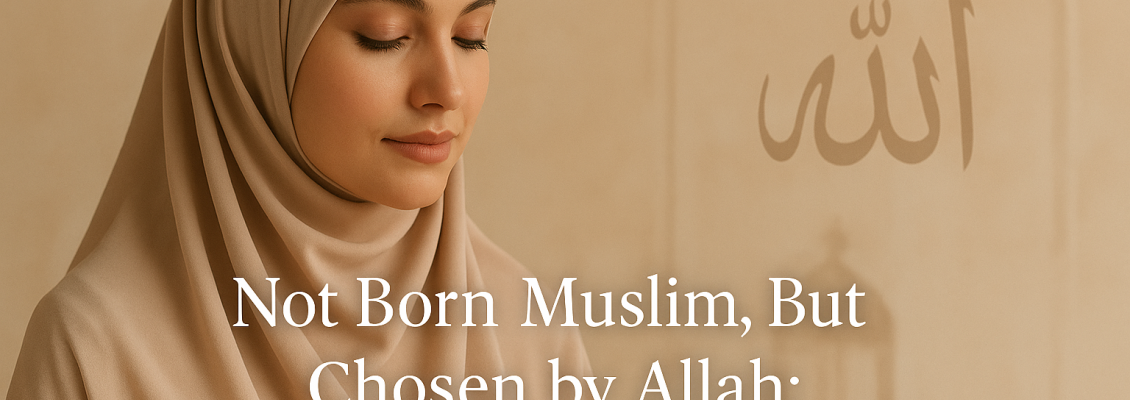

Leave a Comment