What does it mean to wear a ladies abaya when I’m still learning how to be a woman in faith?
Bismillah.
The wind had a softness that morning, like it knew I needed gentleness. I stood by the window with my hands pressed to the glass, watching the branches sway, wondering — not for the first time — if I looked the part of a believer, or if I was just playing dress-up with my hopes. It was June 17th, 2025, but it wasn’t the date that made it significant. It was the weight of the question I couldn’t shake: Can you wear something holy while still feeling hollow?
I remember the ladies abaya draped on the hanger — deep black, unembellished, modest to its core. A gift from a sister I barely knew but who must have seen something in me. Maybe she saw a woman on the edge of something beautiful. Or maybe she just knew that clothing can speak before the mouth ever opens. I hesitated before putting it on, fingers trembling like a child about to walk into school for the first time. And maybe that’s what it was — my first day of truly showing up for my own Islam.
I didn’t wear it because I felt worthy. I wore it because I was trying to become someone who could grow into its meaning. A woman in transition. A woman still figuring out what it means to carry taqwa in her choices — in public and in private. A woman asking Allah every day to hold her gently while she unlearns, relearns, and tries again.
This blog isn’t a ruling or a verdict. It’s not a fashion guide. It’s a soft place to land for every sister who has ever looked at her reflection and wondered if the cloth on her body matched the sincerity of her heart. It’s for the seeker, the struggler, the one who buttons her abaya with shaky hands but a steady niyyah.
Walk with me. One story at a time. Let’s unwrap what it means to wear a ladies abaya when you’re still learning how to be a woman in faith. And maybe, along the way, we’ll discover we were never alone in that becoming.
Table of Contents
- Why did wearing a ladies abaya feel heavier than I expected?
- Am I hiding behind this fabric, or trying to find myself within it?
- What if I’m not “good enough” yet to dress like this?
- How do I explain to my non-Muslim family why I now wear a ladies abaya?
- The first time I wore it outside — was that fear, or was that faith?
- Can a piece of clothing hold all my confusion, my intentions, my contradictions?
- Why does it feel like strangers read my heart just by seeing my ladies abaya?
- What do I do when I wear it one day — and not the next?
- Is it hypocrisy, or is it growth, to struggle with wearing a ladies abaya consistently?
- Why do I feel judged by both sides — too Muslim for some, not Muslim enough for others?
- I saw a sister in the masjid whose ladies abaya moved like mercy — and I wanted that peace
- How do I separate Allah’s pleasure from people’s opinions?
- What is the right niyyah for wearing a ladies abaya — and how do I keep it pure?
- Do I wear it for Him, for myself, or for the fear of being seen without it?
- When did my ladies abaya become more than modesty — when did it become my shield?
- The day I stopped fixing my abaya for the mirror and started adjusting it for salah
- How did a ladies abaya teach me to love my body without showing it?
- I used to dress to be seen — now I dress to be remembered by Allah
- What changed the day I wore it and didn’t feel the need to explain myself?
- Can an abaya be soft and strong at the same time — like the women of the Qur’an?
- The moment I realized I was no longer performing Islam — I was living it
- Why does my ladies abaya feel like both surrender and sovereignty?
- How wearing a ladies abaya healed parts of me I didn’t know were bleeding
- Will I ever stop growing into this identity — or is that the point?
- What does it mean when my ladies abaya no longer feels like a costume, but like home?
Frequently Asked Questions
People Also Ask (PAA)
Why did wearing a ladies abaya feel heavier than I expected?
I still remember the first time I wore a ladies abaya outside—not just in front of the mirror, not just in my room when no one was watching, but truly wore it under the sky, in the presence of strangers, in the middle of a world that felt too quick to assume. It wasn’t the fabric that weighed me down. It was something else. Something invisible, but deeply present. Something I couldn’t name at the time, only feel—like a lump in my throat, like the tremble in my fingertips when I adjusted the sleeves before stepping outside.
The abaya itself was beautiful. Jet black, loose, flowing like water with every step I took. It whispered modesty, but also carried with it a message louder than I expected. It said something about me before I had a chance to say anything myself. That’s when I began to understand that modest clothing doesn’t just cover—it communicates. And I wasn’t entirely ready for what it might say.
What I Thought It Would Feel Like vs. What It Actually Felt Like
| Expectation |
Reality |
| A spiritual high, instant peace |
Overwhelming self-awareness, nervousness |
| Confidence in my decision |
Second-guessing, insecurity in public |
| A clear statement of faith |
Fear of misrepresenting Islam or being questioned |
| Unity with other Muslim women |
Feeling judged by some, misunderstood by others |
| Simple fabric, simple act |
Complex emotions, emotional labor |
When I took that first walk in my abaya, it felt like every eye saw not me, but a version of me they had already decided on. Was I oppressed? Was I radical? Was I just trying to be seen as pious? The stares weren't always hostile. Sometimes they were just... curious. But each one added to the weight I was already carrying—an internal dialogue of worth, sincerity, and belonging that had begun long before the abaya touched my skin.
And then there was the inner weight: the expectations I had placed on myself. That somehow, the moment I wore it, I would be transformed. That I’d stop struggling with faith, that my connection with Allah would deepen instantly, that I’d no longer feel envy or fear or uncertainty. But the truth is: the abaya didn’t erase my struggles—it exposed them. And in that exposure, I began to learn something real.
The Emotional Layers I Wasn’t Prepared For
Wearing a ladies abaya isn't just about modesty. It’s about identity. About belonging. About submission—not to a community, not to a trend, but to Allah. And that submission isn’t always clean and poetic. Sometimes it’s tangled. Sometimes it's full of contradictions. Here I was, trying to honor Him while still wrestling with the voices in my head that told me I wasn’t “good enough” to dress like this.
The heaviness came from questions I hadn’t made space for before:
- Am I being sincere, or am I performing?
- Will people think I’m pretending to be more religious than I am?
- Do I truly understand why I’m doing this?
- What if I fail tomorrow and take it off again?
These weren’t just doubts—they were du’as in disguise. Whispers of my soul trying to navigate the path of becoming. And slowly, I began to realize the heaviness wasn’t a punishment. It was proof that I was awake. Aware. Present with my own intentions. That in itself was a kind of mercy.
The Abaya as a Mirror
The ladies abaya didn’t just cover me. It reflected me. Not the version I presented to the world, but the one I was still coming to know within myself. In its folds, I met the parts of me I had ignored: the fear of judgment, the craving for validation, the quiet yearning to belong to a sisterhood of faith I hadn’t yet earned. It asked me: “Who are you when no one claps for your modesty? When it’s hard, when it’s hot, when no one notices?” That was the weight. That was the test.
Over time, the weight began to shift. Not disappear—but shift. It became a sacred weight. A reminder that I was walking a path not defined by ease, but by purpose. The ladies abaya, with all its perceived heaviness, became an anchor when I felt adrift. A physical cue to pause, reflect, realign. To whisper “Bismillah” before leaving the house. To choose Allah, not ego.
What I Would Tell the Me Who Was Afraid
If I could speak to the version of me who stood trembling in that mirror the first time, I would say this:
- It’s okay if it feels heavy at first. That’s just your soul learning to hold something sacred.
- You don’t have to wear it perfectly to wear it sincerely.
- This is not a costume—it’s a calling. And calls often come with discomfort.
- Let the weight remind you of your Why, not your weakness.
And perhaps most importantly: You’re not alone. Every woman who ever tried to walk this path has felt the burden of it before she felt the beauty. But that heaviness? That’s how you know it matters.
So yes—it felt heavier than I expected. But now, I thank Allah for that weight. Because it taught me how to kneel, how to listen, how to carry faith not just on my body, but within it.
Am I hiding behind this fabric, or trying to find myself within it?
There was a moment—quiet, ordinary, but unforgettable—when I caught my reflection in the car window wearing my abaya. I paused. Not because I looked beautiful or poised. But because, for the first time, I genuinely wondered: Is this who I really am? Or am I simply wearing something to protect myself from being seen too clearly?
The ladies abaya had started to feel like both a shield and a question mark. I wore it because I wanted to please Allah, yes. But deep down, I also wore it to silence the noise. The noise of expectations. The echo of past mistakes. The longing to be seen, but on my own terms. And that’s when the harder question formed in my heart: Am I hiding, or am I searching?
Two Truths That Coexist: Hiding vs. Healing
Sometimes we wear something for protection before we wear it for identity. And that’s not hypocrisy—it’s part of healing. I had to learn that wearing an abaya as a form of retreat wasn’t always a sign of weakness. Sometimes, it was survival. Sometimes, it was the first act of bravery. But the danger came when I stopped asking myself why. Why was I drawn to this fabric? Was it an expression of who I was becoming, or a disguise to avoid who I had been?
| Hiding Behind the Fabric |
Finding Myself Within It |
| Wearing it to avoid judgment or questions |
Wearing it to face myself more honestly |
| Afraid to be vulnerable, use it as armor |
Letting it hold me gently as I grow |
| Wearing it out of fear or pressure |
Wearing it out of longing for nearness to Allah |
| Masking internal struggles with external modesty |
Allowing external modesty to inspire internal change |
I began to understand that hiding and seeking can look the same on the outside. But only the heart knows which one you’re doing. And the heart cannot lie for long. I had to confront the truth that I sometimes used the abaya to disappear. To avoid social settings. To avoid being asked “what kind of Muslim are you?” when I was still figuring that out myself.
The Journey Through Fabric
What no one tells you is that modest fashion—especially something as symbolic as a ladies abaya—doesn’t just reflect your modesty. It reflects your questions, your wounds, your hopes. When I first started wearing it regularly, I felt a strange mixture of empowerment and invisibility. Empowered because I was stepping into something sacred. Invisible because I worried I no longer looked like “myself.”
But what does “myself” even mean when I’m constantly transforming? Was I clinging to an old version of me that no longer served my soul? Or was I scared that this new version—this abaya-wearing woman—would demand a level of integrity and growth I wasn’t ready for?
The truth? It was both. And it still is, some days.
Fabric as a Metaphor for Self
The folds of the abaya are not empty. They carry memory, intention, and identity. With each time I wrapped myself in it, I felt like I was both retreating and arriving. And I began to wonder—maybe the act of covering isn’t about hiding or seeking. Maybe it’s about holding. Holding myself in a way that’s soft but strong. Hidden, yes, from the world—but exposed to Allah.
Wearing the ladies abaya didn’t erase my identity—it started to clarify it. When the noise of fashion trends, peer opinions, and even family expectations got too loud, the abaya became a mute button. A spiritual pause. A fabric that helped me remember that I am more than my body, but also that my body is not a burden. It’s a vessel. And this fabric was one way I honored that vessel.
The Moments That Made Me Stay
There were days when I almost stopped. When I felt too far from the “ideal” Muslimah to even wear such a symbol. But then I’d catch sight of another sister walking confidently in hers—smiling, living, doing her errands. And I’d think, “She’s not hiding. She’s existing. She’s radiant.” And maybe, just maybe, I could be too.
Then came the little moments of reassurance from Allah:
- When a little girl looked up at me and said, “You look like a queen.”
- When my non-Muslim coworker asked me about my abaya with sincere respect.
- When an auntie I’d never met before whispered, “Allah make it easy for you” in the masjid hallway.
These weren’t random. They were signs. Signs that I wasn’t just hiding—I was being guided. And sometimes guidance comes wrapped in fabric.
So... Which One Is It?
Am I hiding behind this fabric or trying to find myself within it?
I don’t think it’s a binary anymore. I think it's both. Some days I hide. Some days I search. Some days I find. But every day I wear it, I come a little closer to a version of myself that feels real. That is both scared and sincere. Both flawed and faithful. Both unseen by people, and seen by Allah.
The ladies abaya became my mirror, my map, and my mercy. Not because it made me perfect—but because it met me where I was, and stayed with me while I grew.
So to the sister wondering the same thing: You are not hiding. You are healing. And this fabric? It’s not your prison. It’s your prayer.
What if I’m not “good enough” yet to dress like this?
I hesitated the first time I reached for my ladies abaya — not because of how it looked, or even how it fit, but because I feared I wasn’t worthy of it. In my heart, I had equated wearing the abaya with spiritual excellence, with piety, with women who had already “made it” on their journey of faith. And me? I was still stumbling. Still struggling with my salah. Still whispering du’a more out of desperation than discipline. So who was I to wear this symbol of devotion?
The shaytaan has a cunning way of whispering, “You're a hypocrite.” He doesn't just plant doubts in our minds; he wraps them in the garb of false humility. And I believed it for a long time. I thought modesty was the final step in a long journey — the crown you wore once you’d purified your heart. But I learned something transformative: sometimes, putting on the abaya isn’t a declaration of spiritual arrival. It’s a desperate, hopeful first step toward it.
Wearing an Abaya While Still Learning
The truth is, none of us were born ready. We don’t arrive at faith fully formed — we grow into it. And that includes how we dress, how we pray, how we forgive. My ladies abaya didn’t declare me righteous. It simply said: I’m trying.
I wore my abaya before I understood every ruling, before I felt every ayah hit my heart the way it does now. But something incredible happened: the more I wore it, the more it changed me. Not overnight. Not in some dramatic transformation. But quietly, deeply — like rain softening the earth.
Common Fears That Accompany the Abaya
It helped me to sit down and be honest with myself. I wrote out all the thoughts that made me doubt my readiness. Seeing them on paper — rather than feeling them spiral in my head — made them easier to face. Here’s a table that outlines the most common fears I had and the gentle truths that softened them:
| Fear |
Gentle Truth |
| “I’m not religious enough.” |
You become religious by showing up sincerely, not by being perfect. Clothing can be a part of that journey. |
| “People will think I’m pretending.” |
Let them think. Allah knows your heart, your effort, and your sincerity. |
| “I still make mistakes.” |
We all do. Mistakes don’t cancel out your niyyah — they make your return to Allah even more meaningful. |
| “I don’t understand everything about modesty yet.” |
Understanding often follows action. Take the step, and let the learning deepen over time. |
The Secret Power of Beginning Before You're Ready
The abaya didn’t “fix” me. It didn’t make my sins disappear. But it did something else — something subtler. It changed how I moved through the world. It softened my gaze, it calmed my walk, it reminded me of Who I’m trying to please. And with every passing day, I began to feel like maybe — just maybe — Allah accepted my imperfect offering.
There’s beauty in dressing like the woman you aspire to be, even if you’re not there yet. There’s barakah in putting on something that reminds you of your higher self. You’re not lying to the world. You’re reminding your own soul: This is who we’re becoming.
A Gentle Du’a for the Days You Doubt
Ya Allah, I am trying — even when I don’t feel worthy, even when I stumble, even when I fear I’m not enough. Please accept my effort, purify my intentions, and let this fabric be a shield of mercy, not a cloak of shame. Let it bring me closer to You, step by faltering step. Ameen.
Sister, if you're reading this with hesitation in your heart, let me say this clearly: you are not disqualified from dressing with dignity just because you’re still figuring things out. The ladies abaya doesn’t require you to be perfect. It invites you to be honest. To be brave. To be sincere in your attempt.
And maybe that’s enough. Maybe that’s everything.
How do I explain to my non-Muslim family why I now wear a ladies abaya?
I remember sitting across from my family at the dinner table, feeling the weight of their curious, sometimes confused, gazes. The ladies abaya I wore was more than just fabric draping my body—it was a visible declaration of a deeply personal, spiritual journey that many around me didn’t fully understand. Explaining why I had chosen to wear this garment to my non-Muslim family was one of the most vulnerable, delicate conversations I’ve ever had.
For many of us, the abaya is more than modest clothing. It’s a shield, a reminder, a symbol of submission to Allah’s will. But for those who have never been exposed to Islamic teachings or modest fashion as an expression of faith, it can seem foreign, restrictive, or even misunderstood. I found myself asking: How can I make them see through my eyes? How do I explain that this choice is not about alienation, but about connection—with myself, my Creator, and my community?
Starting with Vulnerability and Honesty
The first step was admitting to myself that this conversation would be ongoing, not a one-time explanation. I didn’t have to have all the answers. What mattered most was sharing my heart honestly.
I began by expressing my feelings plainly:
“This isn’t just about clothing. It’s about how I’m learning to honor my faith and identity. It helps me feel closer to Allah and gives me peace in a world that often feels chaotic.”
Sometimes, stripping away the religious jargon and focusing on universal feelings—peace, identity, belonging—allowed my family to relate better.
Common Questions They Asked—and How I Responded
To prepare myself emotionally, I reflected on the questions my family might ask. Here’s a table of common concerns and how I addressed them:
| Family’s Question or Concern |
My Honest Response |
| “Does this mean you’re trying to be different or separate yourself?” |
“It’s not about separation, but about connection—to Allah and to my values. Wearing the abaya is a way for me to feel grounded in who I am becoming.”
|
| “Is it because you’re afraid or ashamed of your identity?” |
“No, it’s quite the opposite. The abaya gives me confidence and helps me embrace my identity with pride and dignity.”
|
| “Will you stop doing things you love or be restricted?” |
“The abaya doesn’t limit me; it empowers me to live my life authentically while staying true to my faith and values.”
|
| “How does this fit with our family traditions?” |
“I’m still the same person who loves and respects our family traditions. This is just a part of my personal growth and spiritual path.”
|
Sharing My Spiritual Journey, Not Just the Clothes
I learned early on that focusing solely on the abaya—the external garment—missed the heart of the matter. What truly mattered was sharing my evolving faith, the doubts, the questions, the peace I was finding. So instead of saying, “I wear this because I have to,” I said:
“I wear this because it helps me remember who I want to be and how I want to live—honestly, humbly, and with gratitude.”
Inviting my family into my story—rather than presenting the abaya as a fixed rule—softened their curiosity into empathy. I showed them it was less about covering my body and more about uncovering my soul.
Practical Tips for Navigating the Conversation
- Be patient: Understanding takes time, and sometimes they need space to process your choice.
- Use relatable language: Speak in terms of values and feelings rather than religious terminology if that helps bridge understanding.
- Invite questions: Let them ask what they’re curious about; it builds trust and openness.
- Show love: Reassure them your choice doesn’t change your love and respect for them.
- Share resources: Books, videos, or trusted Muslim friends’ stories can help educate gently over time.
My Own Journey of Acceptance and Grace
Over time, the initial awkwardness and misunderstanding gave way to moments of genuine connection. My family began to see the abaya not as a barrier, but as a bridge to the woman I was becoming. They noticed the calm in my demeanor, the strength in my convictions, and the kindness that wrapped around me like the fabric itself.
I realized that explaining why I wear the ladies abaya wasn’t about convincing others to adopt my choice but about inviting them to witness my growth. Sometimes, the best way to explain is simply to live your truth patiently and lovingly.
Sister, if you’re standing at this crossroads, wondering how to share your abaya journey with those who may not understand, know that your vulnerability is a gift. Your story, your sincerity, your gentle explanation can soften hearts and open doors—inch by inch, moment by moment.
And always remember, Allah is the ultimate guide and protector. He knows the struggles behind your smile and the courage behind your choices. Trust that with time, your family’s hearts will soften in their own way and their own time.
The first time I wore it outside — was that fear, or was that faith?
I still vividly remember the first time I stepped outside wearing my ladies abaya. It was a mixture of excitement, nervousness, and an overwhelming flood of emotions I hadn’t fully anticipated. Was it fear that clenched my chest tightly? Or was it faith—steadfast, quiet, and unshakable—that guided my every step? Reflecting on that moment, I realize it was a complex blend of both, a pivotal milestone in my spiritual and personal journey.
Wearing an abaya publicly for the first time isn’t just about clothing. It symbolizes a commitment to values, identity, and a visible sign of faith. But that very visibility can bring on a tidal wave of internal and external challenges, especially in a world where modest Muslim clothing may still be misunderstood or judged.
Fear: The Unseen Companion
Fear showed up in many forms the moment I put on my abaya. There was the fear of judgment — what would strangers think? Would I be stereotyped or misunderstood? Would someone stare or worse, say something hurtful? I worried about how my friends would react. Would wearing this garment change their perception of me?
Fear of vulnerability was real too. This garment, while a shield, also exposes a part of me, making me visible in a different way. Would I be strong enough to face the whispers, the questions, the curious glances? Would I falter? These fears made my heart race as I took my first steps outside.
Faith: The Quiet Strength
Alongside fear, there was faith. A faith that whispered courage in my ear, telling me that this moment was not about others’ opinions but about my relationship with Allah. Faith was the quiet voice reminding me that my intention, my submission, and my sincerity mattered more than any external judgment.
Faith gave me a deep sense of purpose. It helped me stand tall, even when my knees felt weak. It was faith that softened the fear, reminding me that I was not alone, that Allah’s mercy and love were surrounding me.
Balancing Fear and Faith: A Personal Reflection
Looking back, I realize that fear and faith are not opposites but companions on the path of growth. Fear signals that you are stepping out of your comfort zone, while faith fuels the courage to keep moving forward. They coexist, and learning to embrace both is part of the journey.
Common Emotions and Reactions on That First Day
Many women who wear the abaya for the first time share similar feelings. Here’s a table capturing typical emotions and practical ways to cope with them:
| Emotion/Reaction |
Description |
How to Cope |
| Anxiety |
Worry about how people will perceive you and potential negative reactions. |
Practice deep breathing, remind yourself of your purpose, and start in familiar, safe environments. |
| Self-consciousness |
Feeling very aware of yourself, almost as if all eyes are on you. |
Focus on your inner peace and faith rather than external opinions. Carry a supportive friend if possible. |
| Empowerment |
A sense of strength and pride in publicly living your values. |
Celebrate small victories and affirm your intentions daily. |
| Curiosity |
Wondering how this change will impact your daily life and relationships. |
Keep an open mind and communicate honestly with loved ones. |
| Spiritual fulfillment |
Feeling connected to your faith in a tangible, outward way. |
Engage in prayer and reflection to nurture this feeling. |
Stories From Others: First Experiences Wearing the Abaya Publicly
Hearing from others helped me realize I was not alone in my feelings. Many sisters shared that their first time outside in an abaya felt overwhelming but also transformative.
“I was terrified to walk into the grocery store, but by the time I left, I felt like I had reclaimed a part of myself I’d lost.” — Amina
“People stared, but I reminded myself I was walking with purpose. It became easier each time.” — Layla
These stories gave me courage and perspective that fear is natural, but faith and persistence build confidence.
Practical Tips for Your First Time Wearing an Abaya Outside
- Choose a comfortable and lightweight abaya: Feeling physically comfortable can ease anxiety.
- Start in familiar places: Go to places where you feel safe and supported.
- Bring a supportive companion: A friend or family member can provide comfort and encouragement.
- Prepare yourself mentally: Reflect on your reasons and affirm your intentions before stepping out.
- Practice self-compassion: Remember, it’s okay to feel nervous. Celebrate your bravery.
Conclusion: Walking That First Step with Courage
The first time I wore my ladies abaya outside was a profound moment that intertwined fear and faith in equal measure. It was a vulnerable step that required me to be honest with myself about my emotions, intentions, and hopes. That experience taught me that fear is not a sign of weakness, but a natural part of growth. And faith, even when quiet and fragile, can be the strongest force to propel us forward.
If you’re preparing for your first time wearing the abaya in public, know that you’re joining a long tradition of courageous women who have faced similar fears and emerged with renewed strength and identity. Trust in your journey, lean on your faith, and take each step with compassion for yourself. The path is yours to walk, with all its beautiful complexities.
Can a piece of clothing hold all my confusion, my intentions, my contradictions?
It’s a question I’ve often found myself pondering in quiet moments: Can a piece of clothing really hold all my confusion, my intentions, my contradictions? At first glance, it sounds like an impossible idea. How can fabric, thread, and stitches carry the weight of complex emotions, spiritual journeys, and the constant tug-of-war between doubt and certainty? Yet, the more I reflect on my experience wearing the ladies abaya, the more I realize it truly does — not just physically, but emotionally and spiritually too.
The abaya is more than a garment. It is a canvas on which my inner world is expressed and explored, a silent companion that accompanies me through moments of clarity and confusion alike. Let me explain how a simple piece of clothing has become a repository of my deepest intentions and contradictions.
The Power of Symbolism in Clothing
Clothing has always been more than just functional; it carries symbolism and meaning that go far beyond its physical form. The abaya, in particular, is laden with cultural, religious, and personal significance. When I wear it, I am wrapped not only in fabric but in centuries of tradition, faith, and identity. This symbolism gives the abaya a unique ability to hold my emotions — my doubts, my hopes, and everything in between.
Confusion: Navigating the Grey Areas
Confusion is a natural part of any spiritual or personal journey. I have struggled with questions like, “Am I doing this right?” or “What if my intentions aren’t pure enough?” These moments of uncertainty can feel overwhelming, but when I put on the abaya, I feel like I am holding a tangible reminder of my effort to seek clarity.
The abaya becomes a space where confusion is acknowledged, not erased. It reminds me that it’s okay to not have all the answers — that faith is a journey of learning and evolving.
Intentions: The Heartbeat Beneath the Fabric
Every morning when I choose to wear my abaya, I do so with intention. It’s not just about modesty or appearance; it’s about aligning my outer actions with my inner values. My intentions are layered — to honor my faith, to protect my dignity, and to present myself with humility and respect.
This garment holds those intentions like a sacred trust. It serves as a daily commitment to live with purpose, even when the world around me doesn’t understand or agree.
Contradictions: Embracing Complexity
I am not a perfect person, and neither is my journey. There are contradictions within me — moments when I feel confident yet vulnerable, proud yet humble, certain yet questioning. The abaya embraces these contradictions without judgment. It allows me to show up as my full, imperfect self.
In this way, the abaya is not a mask or a hiding place; it is a reflection of the beautiful complexity of my identity and faith.
Table: How the Abaya Reflects Different Aspects of My Inner World
| Aspect |
Description |
How the Abaya Holds It |
| Confusion |
Uncertainty about my path, questions about faith and identity. |
Acts as a tangible reminder that the journey is ongoing; a space where questions are allowed. |
| Intentions |
My personal reasons for wearing the abaya, including devotion, modesty, and self-respect. |
Embodies my commitment, helping me stay aligned with my values daily. |
| Contradictions |
The simultaneous feelings of strength and vulnerability, pride and humility. |
Provides a visible expression of my complex identity, without forcing me to hide or simplify. |
| Identity |
My cultural, religious, and personal self, which is multifaceted and evolving. |
Acts as a bridge connecting my inner beliefs with how I present myself to the world. |
| Belonging |
Feeling connected to a community and tradition, yet sometimes feeling isolated. |
Serves as a symbol of unity and a reminder of shared values, even in moments of solitude. |
Why This Matters: The Emotional Weight of Wearing the Abaya
Many people outside the Muslim community might see the abaya as simply a piece of modest clothing, but for me and many others, it carries emotional weight that few garments can match. It becomes a daily dialogue between who I am and who I want to be. The abaya is a reminder of the constant balancing act between faith, culture, personal growth, and societal pressures.
It holds my questions when I feel lost, my resolve when I feel weak, and my contradictions when I feel torn. It’s a silent witness to my journey — bearing witness to my struggles and triumphs alike.
Personal Reflections: What the Abaya Has Taught Me
Through wearing the abaya, I’ve learned to accept that it’s okay to hold confusion and contradictions within myself. I’ve come to appreciate that intentions matter more than perfection, and that faith is not a destination but a journey full of ups and downs.
The abaya has also taught me humility — that I am part of a bigger story, a living tradition that respects individuality and collective identity simultaneously. It has encouraged me to be patient with myself and compassionate toward others who are on their own journeys.
Final Thoughts: Embracing the Layers
To answer the question directly: Yes, a piece of clothing can hold all my confusion, intentions, and contradictions. Because the abaya is not just fabric; it is a living symbol woven with my experiences, emotions, and faith. It carries my story in every fold and flow.
Wearing it is a daily act of courage and authenticity — a reminder that identity is never simple but always deeply human.
Why does it feel like strangers read my heart just by seeing my ladies abaya?
There’s an undeniable feeling I get whenever I step outside wearing my ladies abaya — almost like strangers can see past the fabric and glimpse into my soul. It’s as if my heart, my story, my faith, and even my vulnerabilities are written clearly on the folds of the garment. This sensation can be both comforting and unsettling, profound yet mysterious. But why does this happen? Why does a simple piece of clothing create such a powerful, almost psychic connection with those who see it?
To understand this feeling fully, I had to explore the layers behind the abaya — its symbolism, the assumptions and emotions it evokes in others, and how it shapes the way I carry myself and how the world perceives me.
The Abaya as a Silent Language
Clothing is a form of nonverbal communication, and the abaya speaks volumes without uttering a word. When I wear my abaya, I am sending subtle messages about my identity, beliefs, and values. These messages can resonate deeply with others who understand its meaning, but they can also spark curiosity, judgment, or empathy in those unfamiliar.
The abaya is like a silent language that invites observers to interpret its meaning — consciously or unconsciously. This creates a unique dynamic where strangers might “read” me based on their own experiences, biases, and hopes.
How Perception Shapes Interaction
People are naturally wired to seek meaning and connection, especially in unfamiliar contexts. When they see someone in an abaya, they might sense a story beneath the surface — a story of faith, modesty, resilience, or cultural richness. This perception can feel like an intuitive “reading” of my heart.
However, this process is complex. Sometimes, people project their own expectations or stereotypes, which can be limiting or even hurtful. Other times, it opens doors to genuine understanding and shared humanity.
How the Abaya Reflects My Inner State
The feeling that strangers “read my heart” is not just about how they perceive me but also how I carry myself when wearing the abaya. There is a sense of mindfulness and authenticity that comes with choosing to wear it. This presence is felt by others and creates an almost magnetic openness.
When I wear the abaya with intention, grounded in my values and faith, my body language, facial expressions, and energy align — and this coherence is what others pick up on. It’s as if the abaya magnifies my inner truth, making it visible.
Table: How the Ladies Abaya Influences Perceptions and Interactions
| Factor |
Effect on Others |
Effect on Me |
| Symbolism |
Signals faith, modesty, cultural identity; invites curiosity or respect. |
Reinforces connection to beliefs and identity. |
| Nonverbal Communication |
Conveys presence, confidence, humility, or vulnerability. |
Increases self-awareness and intentionality. |
| Social Perceptions |
Can trigger stereotypes or genuine empathy. |
Challenges me to balance personal authenticity with societal expectations. |
| Mindful Wearing |
Creates a visible aura of sincerity and calm. |
Amplifies my inner emotional state and peace. |
| Visual Impact |
Draws attention and often invites silent acknowledgment. |
Fosters a sense of belonging and empowerment. |
Personal Stories: Moments When Strangers Seemed to See Me
I remember once standing in a busy market, wrapped in my abaya, when a stranger smiled warmly at me — not just at the clothing, but at the way I carried myself. It felt like an unspoken connection, a mutual recognition of something deeper than words. At other times, I have sensed curiosity, or even judgment, which challenged me to remain grounded in my intentions.
These moments remind me that the abaya acts as a bridge between my inner world and the outer world. It reveals parts of me I may not express verbally but are felt by others intuitively.
The Dual Nature of This Experience
Feeling “read” by strangers through my abaya is a double-edged sword. On one side, it fosters connection, empathy, and respect. On the other, it can expose me to misunderstanding, stereotypes, or unwanted attention. Balancing these realities requires a deep sense of self and faith.
I’ve learned that this sensation is a call to authenticity — to wear the abaya not as a shield but as an expression of my truth, embracing whatever reactions it may bring.
Why This Matters: Embracing Vulnerability and Strength
The feeling that strangers can “read my heart” when they see my abaya reveals the profound way clothing intersects with identity and perception. It teaches me vulnerability — the courage to be seen and known — and strength — the ability to hold space for others’ interpretations without losing myself.
Ultimately, this experience deepens my understanding of human connection and reminds me that our stories are often visible, even when unspoken.
Final Reflections
Wearing my ladies abaya means opening a door to genuine human interaction, where silent stories are shared through presence and perception. It’s a reminder that faith and identity are lived experiences, woven visibly into the fabric I wear and the way I move through the world.
And while strangers may seem to read my heart at first glance, I’ve come to see this as a beautiful invitation to connect — to share the complexity and richness of who I am, beyond any garment or surface impression.
What do I do when I wear it one day — and not the next?
One of the most honest struggles I’ve faced on my journey with the ladies abaya is the inconsistency of wearing it — one day I wear it proudly, feeling connected and purposeful, and the next day I hesitate, sometimes not wearing it at all. This ebb and flow can be confusing, even frustrating. I ask myself: What do I do when I’m caught between these moments? How do I reconcile the fluctuating feelings and realities of wearing this garment that means so much to me?
This section is a deep reflection on the complexities of living with such a meaningful piece of clothing — a symbol, a practice, and sometimes a challenge — and how I navigate the days when the abaya feels essential, and the days when it feels distant.
The Reality of Inconsistency
Wearing the abaya isn’t always a constant or an obligation but rather a deeply personal choice. Sometimes, my heart is fully aligned with it; other times, I find myself stepping back, questioning, or simply choosing a different expression of my faith and identity for the day.
Life’s practicalities and emotions contribute to this inconsistency: how I feel emotionally, my environment, social settings, even weather and comfort. But beyond those, there’s an internal dialogue — the push and pull between my ideals and my real, everyday life.
Understanding Why I Sometimes Don’t Wear It
It’s important to recognize that not wearing the abaya on some days doesn’t mean I’m less committed or less faithful. Sometimes, it’s about self-care, mental health, or practical reasons. It can be a sign of authenticity rather than failure.
Here are some common reasons why I might skip wearing it on certain days:
- Emotional exhaustion: Some days, the weight of expectations—internal or external—feels heavy, and I need space to just be without the symbol.
- Practical challenges: Weather conditions, travel, or events where the abaya might feel restrictive or unsafe.
- Social pressure: Feeling judged or misunderstood can sometimes discourage me from wearing it.
- Personal reflection: Days when I question or explore my relationship with the abaya and what it means to me.
Table: Factors Influencing My Decision to Wear or Not Wear the Abaya
| Factor |
Wearing the Abaya |
Not Wearing the Abaya |
| Emotional State |
Feeling spiritually connected, confident, peaceful. |
Feeling tired, anxious, or needing space. |
| Practical Considerations |
Comfortable weather, supportive environment. |
Harsh weather, travel, or situations needing flexibility. |
| Social Environment |
Supportive family, friends, community. |
Feeling judged, misunderstood, or unsafe. |
| Personal Reflection |
Clarity about faith and identity. |
Questioning, exploring, evolving. |
How I Manage the Fluctuation
Embracing these fluctuations with kindness toward myself has been transformative. Instead of feeling guilty or pressured to conform to a rigid standard, I remind myself that faith and identity are journeys — not destinations.
Here’s how I approach the days I choose to wear it and the days I don’t:
- Self-compassion: Allowing myself grace, knowing it’s okay to have off days without judgment.
- Reflection: Journaling or meditating on what the abaya means to me on both types of days.
- Flexibility: Recognizing that faith expressions can vary and evolve, without diminishing their value.
- Community support: Talking with friends or mentors who understand the complexities of modest dress.
The Role of Intention
Intention plays a critical role in how I experience wearing the abaya. On the days I put it on, it’s not just about the fabric but the mindset behind it — whether it’s an act of devotion, confidence, or self-expression. On days I don’t wear it, I stay connected to that intention in other ways, like prayer or reflection.
This approach helps me feel whole and aligned, regardless of the external garment. The abaya is part of my story, but it doesn’t define all of me.
Practical Tips for Navigating the In-Between Days
If you find yourself struggling with similar fluctuations, here are some practical strategies that have helped me:
- Prepare for both options: Keep your abaya accessible and ready, but don’t pressure yourself to wear it every day.
- Mix modest pieces: Sometimes, layering or choosing modest clothing without the full abaya can bridge the gap.
- Create a ritual: Develop a personal routine for putting on the abaya that strengthens your connection on days you wear it.
- Stay connected to faith: Engage in spiritual practices that anchor you beyond the physical garment.
Final Thoughts: Living Authentically Amid the Fluctuations
Wearing my ladies abaya one day and not the next is not a contradiction but a reflection of my authentic, evolving self. It’s a dance between comfort and courage, certainty and questioning, tradition and personal growth.
Embracing this dynamic has taught me patience and deepened my relationship with myself and my faith. The abaya remains a powerful symbol, but it is my heart, intention, and integrity that ultimately define my journey — whether the garment is worn or not.
Is it hypocrisy, or is it growth, to struggle with wearing a ladies abaya consistently?
One of the most profound questions I have faced in my journey with the ladies abaya is whether struggling to wear it consistently means I’m being hypocritical, or if it’s actually a sign of personal growth. This question cuts deep because it touches on identity, faith, authenticity, and the tension between ideals and reality.
Wearing the abaya consistently can feel like a visible commitment, a badge of devotion. Yet, when I falter — whether due to emotional struggles, practical challenges, or moments of doubt — the fear of hypocrisy creeps in. Am I pretending? Am I failing? Or is this struggle actually part of the evolving path towards becoming the best version of myself?
Understanding Hypocrisy vs. Growth
Before I answer, it’s important to clarify what hypocrisy and growth truly mean in this context.
- Hypocrisy: The act of saying or presenting one thing while deliberately acting contrary to it, often to deceive or gain approval.
- Growth: The process of learning, evolving, and improving over time — often accompanied by struggle, mistakes, and self-reflection.
Struggling with wearing the abaya consistently doesn’t necessarily mean I’m being hypocritical. In fact, my honest acknowledgment of struggle can be the opposite — it shows integrity and a commitment to authenticity.
The Reality of Human Struggle in Faith
Faith is rarely a linear journey. It involves ups and downs, moments of certainty and doubt, and phases of progress and setback. Wearing the abaya, a visible expression of modesty and devotion, naturally reflects that human complexity.
When I struggle to wear it consistently, it often means I’m wrestling with my inner fears, external pressures, or simply the reality of balancing faith with daily life. This struggle is not hypocrisy but an essential part of my growth and self-discovery.
Table: Differentiating Hypocrisy and Growth in the Context of Wearing the Abaya
| Aspect |
Hypocrisy |
Growth |
| Intent |
To deceive others about one’s faith or identity. |
To honestly pursue faith despite challenges. |
| Self-awareness |
Lack of self-awareness or denial of struggles. |
High self-awareness and acknowledgment of struggles. |
| Response to Struggle |
Ignoring or hiding struggle to maintain appearances. |
Reflecting, learning, and evolving from struggles. |
| Authenticity |
Presenting a false image to gain approval. |
Being genuine about one’s journey and imperfections. |
| Outcome |
Stagnation or deception. |
Personal development and deeper faith. |
Why Struggling Is Often a Sign of Growth
Struggle means I care. It means the abaya is not just a piece of fabric — it carries meaning, responsibility, and a spiritual challenge. When I face difficulties with wearing it consistently, I am confronted with questions about my identity, priorities, and values.
Each struggle invites me to explore who I am beyond appearances, to reconcile my faith with my imperfections, and to deepen my understanding of modesty in a way that’s uniquely mine. This process is growth — sometimes slow, sometimes painful, but ultimately transformative.
The Role of Compassion in My Journey
One of the hardest lessons has been learning to show compassion to myself. I used to equate inconsistency with failure or hypocrisy, judging myself harshly for not meeting a perceived standard of perfection.
But through reflection and support from my community, I realized that growth requires patience and kindness. Struggling is natural, and embracing it without shame is a powerful step forward.
How to Embrace Growth While Wearing the Abaya
Here are some practical ways I nurture growth while navigating struggles with consistent abaya wear:
- Set realistic expectations: Recognize that perfection is not the goal; sincerity is.
- Reflect regularly: Use journaling or prayer to explore feelings around wearing the abaya.
- Seek supportive community: Engage with others who understand the complexities of modest dress.
- Celebrate small victories: Acknowledge every day I wear it with intention as progress.
- Learn from setbacks: View days of struggle as opportunities to deepen my faith, not reasons to give up.
Addressing the Fear of Judgment
A significant part of the struggle is fear — fear of being judged by others, including both Muslims and non-Muslims, or even by myself. This fear can make inconsistency feel like hypocrisy.
But I have come to understand that fear is natural and does not define my faith. Choosing to wear the abaya despite fear, or choosing to rest when needed, are both authentic expressions of my journey.
Final Reflections: Growth as the True Path
Wearing the ladies abaya consistently is not about being perfect or never struggling. It’s about embracing the messiness of growth, the courage to try again after setbacks, and the humility to accept that faith is a lifelong journey.
Struggling with consistency is not hypocrisy. It’s growth — a sign that I am engaged, learning, and evolving. And that is where true faith resides.
Why do I feel judged by both sides — too Muslim for some, not Muslim enough for others?
Wearing the ladies abaya brought me a profound sense of identity, spirituality, and connection. Yet, almost immediately, I found myself caught in an unexpected and painful crossfire of judgment — feeling “too Muslim” for some people, yet “not Muslim enough” for others. This duality of judgment from both sides created a deep internal struggle, challenging my sense of belonging and testing my commitment.
This experience is more common than many realize. It highlights the complex reality of living between worlds — balancing cultural, religious, and social expectations — especially when wearing visible symbols like the abaya. So why does this happen? Why does it feel like no matter what I do, I’m never quite “right”?
The Root of the Judgments: Identity and Expectations
To understand why these conflicting judgments occur, it helps to explore the different expectations placed on Muslim women, especially those who wear the abaya.
- From within Muslim communities: There is often a wide spectrum of interpretations about what it means to be a “good Muslim.” Some hold very conservative, traditional views that set strict rules for dress, behavior, and religious observance. In these circles, wearing the abaya might be seen as a positive marker of faith, but there can also be harsh scrutiny about how it is worn, with what intention, and even the wearer’s level of religiosity beyond just dress.
- From outside Muslim communities: Non-Muslim societies often misunderstand the abaya and other Islamic dress codes. Some people see it as oppressive, backward, or foreign. Wearing the abaya can trigger stereotyping, prejudice, or assumptions about one’s beliefs and freedoms. This can lead to feeling judged or marginalized for choosing to dress modestly.
Table: The Dual Judgment Experience Explained
| Source of Judgment |
Nature of Judgment |
Impact on Me |
| Some Muslims (Conservative Viewpoints) |
“Not Muslim enough” if wearing style deviates; scrutiny on intention, adherence. |
Feeling pressure to conform; self-doubt about sincerity and faith. |
| Other Muslims (More Liberal or Cultural Views) |
“Too Muslim” or overly religious; criticism for visible religious symbols. |
Sense of alienation within community; fear of being judged for choice. |
| Non-Muslim Society |
Perceived as “other,” oppressed, or misunderstood; cultural stereotyping. |
Feeling marginalized; struggle to explain choice or identity. |
Why Does This Double Judgment Hurt So Much?
At the heart of this dual judgment is the human need for acceptance and belonging. When both “inside” and “outside” groups question or critique my choices, it can trigger feelings of isolation and confusion. I might start to question myself: Am I truly living my faith authentically? Am I making the right choices? Or am I simply trying to please everyone and ending up pleasing no one?
The judgment from within my own community can feel like a test of my faith and intentions. It sometimes makes me overly cautious or anxious about how I am perceived by others who share my religion. At the same time, judgment from the outside world can evoke a defensive posture — making me want to protect my identity and assert my freedom to choose modesty.
Reconciling These Conflicting Voices
Over time, I learned that navigating this dual judgment requires a strong sense of self, anchored in knowledge, intention, and inner peace. Here are the key insights that helped me:
- My faith is personal: My relationship with God and my practice of Islam are between me and Him. External judgments can’t define my spirituality.
- Intentions matter more than perceptions: Wearing the abaya with sincerity is what counts, not others’ assumptions.
- Community is diverse: Within Muslim communities, there is a broad range of beliefs and practices. It’s impossible to please everyone.
- Education can reduce misunderstanding: I can gently explain my choice to non-Muslims to build bridges, but I don’t owe anyone justification.
Strategies I Use to Handle Judgment
Managing this difficult terrain involves both emotional resilience and practical strategies. Here’s what I do:
- Build a supportive circle: Surround myself with friends and mentors who respect and encourage my journey.
- Practice self-compassion: Remind myself that no one is perfect and that struggles are part of growth.
- Set boundaries: Politely disengage from conversations or environments where judgment becomes harmful.
- Share my story: Use moments of connection to explain why I wear the abaya, promoting understanding.
The Balance Between External and Internal Validation
Ultimately, the challenge is balancing external judgments with internal validation. My worth and faith are not dictated by others but by my sincerity, knowledge, and relationship with God. While feedback and community input can be valuable, they should never overshadow my own spiritual compass.
Finding peace in this balance is an ongoing process, but it has deepened my self-awareness and helped me embrace my identity with confidence and grace.
Final Thoughts
Feeling judged by both sides — “too Muslim” for some, “not Muslim enough” for others — is an experience many Muslim women in visible modest dress share. It reflects larger cultural, religious, and societal tensions that are beyond any one individual’s control.
By grounding myself in intention, community, knowledge, and self-compassion, I continue to walk my path authentically, confident that my choices are valid and meaningful. The abaya is not just a garment; it’s a symbol of my faith, my journey, and my right to define my identity on my own terms.
I saw a sister in the masjid whose ladies abaya moved like mercy — and I wanted that peace
There are moments in life when something seemingly small — a gesture, a look, a presence — strikes a chord deep within your soul. For me, one such moment was seeing a sister in the masjid whose ladies abaya moved with such grace and serenity that it felt like mercy itself was flowing with every step she took. It was as if her abaya wasn’t just a piece of fabric, but a living expression of peace, humility, and devotion. Witnessing that subtle yet powerful beauty stirred something inside me — a yearning for that same peace and dignity that seemed to envelop her.
That experience marked a turning point in my own journey with the abaya. It wasn’t just about wearing modest clothing anymore; it became about embodying the qualities I saw reflected in her presence — mercy, calm, and spiritual harmony. I began to understand that the abaya is more than just a garment. It is a canvas through which the soul’s light can shine, a symbol that moves beyond appearance into something deeply felt and profoundly sacred.
The Abaya as a Symbol of Mercy and Peace
Mercy, or rahmah in Arabic, is a central concept in Islam, permeating every aspect of faith and life. Allah’s mercy is vast and encompassing, and believers are called to embody mercy in their actions, words, and hearts. The sister I saw carried that essence so effortlessly — her abaya flowing like a gentle breeze, soft and deliberate in its movement, echoing the quiet strength of mercy.
The abaya, traditionally a loose, flowing cloak, naturally embodies humility and modesty, two qualities intimately linked with mercy. When worn with mindfulness, it becomes a physical reminder to move through the world with kindness, compassion, and peace. It’s a declaration that the wearer values inner grace over external flashiness, that she chooses dignity over display.
The Moment That Changed My Perspective
Before seeing that sister, I had viewed the abaya largely as an obligation — a requirement to fulfill religious modesty. I focused on how it looked, how it felt physically, and sometimes on how others perceived me wearing it. But watching her, I realized the abaya could be so much more. It could be an extension of my spirit, a way to carry mercy into every interaction.
This revelation shifted my mindset entirely. I began to pay attention to how I moved in my abaya, how I spoke, and how I connected with others. Wearing it became less about obligation and more about aspiration — aspiring to embody the mercy and peace that Islam teaches, aspiring to be a source of calm in a hectic world.
Table: Reflections on the Abaya as Mercy
| Aspect |
Before Seeing the Sister |
After Seeing the Sister |
| View of Abaya |
A religious obligation, often a source of discomfort or self-consciousness. |
A symbol of inner mercy, peace, and spiritual grace. |
| Movement & Presence |
Functional, sometimes rushed or distracted. |
Deliberate, calm, and reflective of inner tranquility. |
| Intent |
Compliance with modesty rules. |
Expression of humility, kindness, and mercy. |
| Effect on Self |
Sometimes anxious or self-critical. |
Empowered, peaceful, spiritually connected. |
What It Means to “Move Like Mercy”
To move like mercy is to embody softness without weakness, strength without harshness, and presence without ego. It is a balance between humility and confidence — a gentle power that invites others to feel at ease. The sister in the masjid seemed to carry this naturally, her every step a quiet prayer, her abaya a flowing metaphor for compassion.
This kind of movement goes beyond physical grace; it is spiritual. It is the visible manifestation of the inner qualities cultivated through prayer, reflection, and devotion. I wanted to learn how to do this — to wear my abaya not as a burden but as a blessing, a source of peace for myself and those around me.
How I Started Cultivating That Peace
Inspired by that moment, I began to approach wearing the abaya with new mindfulness. Here’s what helped me:
- Mindful movement: Slowing down my steps, paying attention to how my abaya flows and moves, and letting it remind me to be gentle with myself.
- Intentional prayer: Asking Allah to grant me mercy and to help me reflect it in my actions and presence.
- Embracing humility: Letting go of ego and the need for approval, focusing instead on sincerity and kindness.
- Seeking spiritual role models: Learning from women who embody this peace and grace in their dress and demeanor.
The Ripple Effect of Moving Like Mercy
Once I started cultivating this peace, I noticed subtle but powerful changes. I felt calmer in my interactions, more patient with myself and others, and more confident in my identity. The abaya became a source of strength rather than constraint.
Moreover, I began to receive feedback from others — sisters and strangers alike — who noticed the shift. They said I seemed more serene, more approachable, and that my presence brought a sense of calm. It was humbling and affirming, reminding me that embodying mercy is not just good for me, but also a gift to my community.
Final Reflections
Seeing that sister in the masjid whose ladies abaya moved like mercy opened my eyes to the profound spiritual potential of modest dress. It taught me that the abaya is not merely fabric; it is a vessel for expressing the highest ideals of our faith — mercy, peace, humility, and grace.
Now, every time I wear my abaya, I strive to move with that same intention. I want my dress to speak not only of modesty but of mercy — to move with kindness in my heart and peace in my soul. In doing so, I hope to inspire others as that sister inspired me, reminding us all that true beauty comes from the light we carry within.
How do I separate Allah’s pleasure from people’s opinions?
This question echoes deeply within the hearts of many who choose the path of modesty and faith, especially when it comes to wearing the ladies abaya. The struggle to separate Allah’s pleasure from people’s opinions is not just a challenge of the mind — it’s a spiritual battle, an emotional tug-of-war that tests sincerity, patience, and trust in the Divine. How do you maintain your commitment to your faith, your modesty, and your identity when the world around you offers both admiration and criticism, acceptance and judgment? How do you find peace in your choice when public opinion feels like a constant noise in your ears?
The journey to prioritize Allah’s pleasure over people’s opinions is a gradual, ongoing process that requires self-reflection, spiritual strength, and practical strategies. It demands that you anchor your heart and mind in the knowledge that true fulfillment and success come only from pleasing Allah, not from gaining the approval of others.
Understanding the Core of the Issue
At the root of this struggle is the human desire to be loved and accepted by others. We are social creatures by nature, wired to seek connection and approval. However, when faith calls us to stand out — to dress modestly in a way that might be misunderstood or criticized — this natural desire can conflict with our spiritual goals.
For many Muslim women, wearing the abaya can attract various reactions: admiration from some, but judgment or even hostility from others. Family, friends, colleagues, and strangers may voice opinions that can feel discouraging or hurtful. Sometimes, these voices become so loud and persistent that they threaten to drown out the quiet but powerful call of Allah’s pleasure.
Table: Contrasting Allah’s Pleasure and People’s Opinions
| Aspect |
Seeking Allah’s Pleasure |
Seeking People’s Opinions |
| Source of Validation |
Internal, spiritual, and eternal. |
External, social, and temporary. |
| Focus |
Obedience, sincerity, and humility. |
Approval, acceptance, and image. |
| Outcome |
Inner peace, spiritual growth, and reward in the Hereafter. |
Anxiety, confusion, and potential compromise of values. |
| Response to Criticism |
Patience, reliance on Allah, and self-correction if needed. |
Defensiveness, self-doubt, or withdrawal. |
Steps to Separate Allah’s Pleasure from People’s Opinions
While this separation is a challenge, it is far from impossible. Here are some steps that can help you align your heart more firmly with Allah’s pleasure:
- Strengthen Your Relationship with Allah: Regular prayer, reading Quran, and dhikr (remembrance) cultivate spiritual resilience. The more connected you feel to Allah, the less swayed you become by external judgments.
- Understand the Purpose of Modesty: Reflect deeply on why you wear the abaya — not to please people, but to obey Allah’s command and protect your dignity. Keeping this purpose in mind anchors you during moments of doubt.
- Limit Exposure to Negative Opinions: While you cannot control what others say, you can control how much weight you give to their opinions. Avoid toxic conversations or people who undermine your confidence.
- Surround Yourself with Supportive Community: Seek sisters and friends who share your values and uplift your spirit. Their encouragement helps reinforce your sense of purpose and belonging.
- Practice Self-Compassion: Recognize that it is normal to feel hurt or insecure sometimes. Don’t beat yourself up for struggling — instead, treat yourself with kindness and patience.
- Remember the Temporary Nature of Worldly Opinions: People’s opinions change like the wind. What matters is your accountability to Allah, which is everlasting.
Common Challenges and How to Address Them
Even with these steps, the struggle can feel real and persistent. Here are some common challenges with practical advice:
- Challenge: Feeling isolated because others don’t understand your choice.
Solution: Engage with Islamic groups online or locally. Sharing your journey with others who understand can lessen loneliness.
- Challenge: Doubting if your intentions are sincere enough.
Solution: Make regular du’a (prayers) asking Allah to purify your intentions. Intentions can be renewed continuously — the Prophet Muhammad (peace be upon him) said, “Actions are judged by intentions.”
- Challenge: Fear of judgment or backlash from family.
Solution: Have honest conversations when ready, explain your faith gently, and seek their understanding. Over time, love and patience can soften hearts.
The Power of Sincere Intention (Niyyah)
Central to separating Allah’s pleasure from people’s opinions is the concept of niyyah, or sincere intention. Every act of worship and obedience in Islam is judged by its intention. When you put on your abaya, remind yourself that your goal is to please Allah alone — to uphold your dignity, protect your modesty, and express your love and submission to Him.
This conscious realignment of intention acts as a shield against the storms of criticism. It transforms the act of wearing the abaya from a social statement into a spiritual practice, infusing it with purpose and peace.
Embracing Accountability and Letting Go of Approval
Accountability in Islam is personal and sacred. Ultimately, you will answer only to Allah for your deeds, intentions, and efforts. This realization is empowering. It reminds you that while people’s opinions might sting or distract, they cannot determine your worth or destiny.
Letting go of the need for worldly approval is a form of spiritual freedom. It is a declaration that your identity is rooted in faith, not in fleeting social acceptance. This freedom can be deeply liberating and peaceful.
Final Thoughts
Separating Allah’s pleasure from people’s opinions is a continuous, sometimes difficult process — but it is also a profound journey of faith and self-discovery. With patience, intention, and spiritual mindfulness, you can find a place of peace where your choices reflect your love for Allah, regardless of what others say.
Remember, the abaya is a gift — a chance to express your faith outwardly and connect with your Creator inwardly. Let that be your focus, your source of strength, and your guide. Trust that Allah sees your heart and will reward your sincerity beyond what the world can ever understand.
What is the right niyyah for wearing a ladies abaya — and how do I keep it pure?
The concept of niyyah—intention—is the heart and soul behind every act of worship and obedience in Islam. When it comes to wearing a ladies abaya, having the right niyyah is absolutely crucial. It transforms what might otherwise be seen as just a piece of clothing into a meaningful symbol of faith, modesty, and devotion to Allah. But what exactly is the right niyyah for wearing an abaya? And perhaps just as important, how do you keep that intention pure amid distractions, doubts, and societal pressures? This section dives deeply into these questions with a clear, compassionate, and practical approach.
Understanding Niyyah: The Foundation of Every Deed
In Islamic teachings, niyyah means the sincere intention behind any action. The Prophet Muhammad (peace be upon him) said, "Actions are judged by intentions, and everyone will be rewarded according to their intention." This means that the outward action, no matter how beautiful or socially praised, has no spiritual value unless it is coupled with a sincere intention to please Allah.
For the ladies abaya, this means your choice to wear it is not just about fashion, comfort, or social identity—it’s about fulfilling a divine command, expressing modesty, and protecting your dignity in accordance with Islamic principles.
The Right Niyyah for Wearing a Ladies Abaya
The right niyyah centers around three core elements:
- Obedience to Allah: Wearing the abaya because you believe it is a form of submission to Allah’s guidance on modesty.
- Seeking Allah’s Pleasure: Wanting to please Allah alone, rather than impress people or follow trends.
- Preserving Dignity and Modesty: Wearing the abaya to protect your modesty, identity, and honor in a way that reflects your inner faith.
Your niyyah might be expressed in a personal prayer or dua when you put on your abaya, for example:
"O Allah, I wear this abaya to seek Your pleasure, to protect my modesty, and to obey Your command. Please keep my intention sincere and accept my efforts."
Common Mistakes in Niyyah to Avoid
Even with the best intentions, it’s easy to slip into niyyah traps that dilute sincerity. Some common mistakes include:
- Wearing the abaya mainly to impress others or gain social approval.
- Using it to make a political or cultural statement without grounding it in faith.
- Being motivated by fear of judgment rather than love of Allah.
These motivations can cloud the spiritual value of wearing the abaya and can even cause inner conflict or hypocrisy.
Table: Comparing Pure Niyyah vs. Mixed Niyyah
| Aspect |
Pure Niyyah |
Mixed/Impure Niyyah |
| Primary Motivation |
To please Allah and follow His guidance. |
To seek attention, approval, or avoid criticism. |
| Focus |
Spiritual obedience and modesty. |
Social status or external perception. |
| Emotional Outcome |
Peace, humility, and contentment. |
Anxiety, insecurity, or pride. |
| Long-term Impact |
Spiritual growth and acceptance by Allah. |
Possible hypocrisy and spiritual stagnation. |
How to Keep Your Niyyah Pure
Maintaining a pure niyyah requires continual self-awareness and intentionality. Here are practical ways to nurture and protect your intention:
- Regular Renewal: Make it a habit to renew your intention daily or every time you wear your abaya. This refreshes your spiritual focus.
- Mindful Reflection: Reflect on your reasons and feelings regularly. Ask yourself: “Am I doing this for Allah, or for others?”
- Seek Knowledge: Educate yourself about the Islamic rulings and wisdom behind modesty and the abaya. Understanding the deeper meaning strengthens your resolve.
- Make Du’a for Sincerity: Continuously ask Allah to purify your heart and keep your intentions sincere. The Prophet (PBUH) often made du’a for pure intentions.
- Surround Yourself with Support: Connect with sisters and mentors who remind you of the spiritual purpose behind the abaya rather than superficial aspects.
- Practice Gratitude: Be thankful for the opportunity to obey Allah and wear the abaya. Gratitude helps deepen your spiritual connection.
Examples of Pure Niyyah in Action
Consider the stories of women who wear the abaya with heartfelt sincerity:
- One sister explained she wears the abaya as a shield, not just from physical gaze but from the distractions of the world — a reminder to stay focused on her faith.
- Another shared that every time she puts on her abaya, she silently prays for Allah’s acceptance and protection, knowing this act is part of her submission.
- Some sisters view the abaya as an outward symbol of their inner spiritual journey — a visible sign of their commitment to personal growth and Allah’s guidance.
Challenges in Maintaining Pure Niyyah
It’s normal to face challenges that test your intention:
- Social Pressure: Sometimes, societal expectations or family opinions might tempt you to wear or not wear the abaya for reasons other than Allah’s pleasure.
- Internal Doubt: You may question your sincerity or feel your heart is not fully convinced.
- Comparison: Comparing yourself to others can create distractions or unhealthy motivations.
The key is to recognize these challenges and consciously return to your pure niyyah by renewing your intention, seeking Allah’s help, and focusing on your personal relationship with Him.
Final Reflections
The right niyyah for wearing a ladies abaya is to do so purely for Allah’s pleasure — out of obedience, modesty, and love for Him. Keeping that intention pure is an ongoing spiritual practice that requires mindfulness, renewal, and sincere du’a. Remember, no one but Allah can truly see your heart and intentions. Your journey with the abaya is unique, personal, and sacred.
Embrace the abaya not just as clothing, but as an act of worship, a symbol of your faith, and a means to draw closer to Allah. Let your intention be your compass, guiding you through doubts, challenges, and the opinions of the world.
Do I wear it for Him, for myself, or for the fear of being seen without it?
This question cuts right to the core of the complex emotions and motivations many Muslim women experience when deciding to wear the ladies abaya. The abaya is not just a garment—it carries layers of spiritual significance, personal identity, social symbolism, and sometimes even fear. When you pause to ask, “Do I wear it for Him, for myself, or for the fear of being seen without it?”, you are peeling back the surface to examine the heart of your intention, your relationship with faith, self, and society.
This honest introspection is essential because how you wear the abaya reflects not only your external appearance but also your inner spiritual state. The answer is rarely simple or static; it evolves with time, experience, and understanding. So let’s explore each motivation in detail, unpack the emotions behind them, and see how they interact—sometimes overlapping, sometimes conflicting.
Wearing It for Him: The Divine Motivation
To wear the abaya for Him means your primary motivation is to obey Allah’s command and seek His pleasure. This is the essence of sincere worship—clothing yourself in modesty as an act of submission and devotion. When your intention is to please Allah alone, the abaya becomes a form of spiritual armor, a visible symbol of your faith, and a practical way to protect your dignity.
Women who wear the abaya for Allah often describe a deep sense of peace and purpose. They feel connected to a higher calling, knowing their choice is part of their submission to divine guidance. This motivation helps them endure criticism or misunderstanding from others because their focus is on the eternal, not the fleeting opinions of society.
Wearing It for Myself: Personal Empowerment and Identity
Wearing the abaya for yourself can mean several things. It might represent a personal choice of modesty that aligns with your values, a way to express your identity, or a source of confidence and comfort. For many women, the abaya is a way to reclaim agency over their bodies and appearance in a world that often objectifies women.
This motivation is healthy and important—it reflects self-respect and authenticity. When you wear the abaya because it feels right for you, you are honoring your own feelings and boundaries. It can be a daily reminder to live according to your principles and a way to maintain consistency in your lifestyle.
Wearing It for the Fear of Being Seen Without It: Social Pressure and Anxiety
Wearing the abaya out of fear of being seen without it is perhaps the most complex motivation. This fear might stem from anxiety about judgment, criticism, or gossip within your family, community, or social circles. It could also be linked to cultural expectations or the feeling that your reputation depends on appearing modest at all times.
While fear can be a powerful motivator, relying primarily on it can lead to feelings of stress, self-doubt, and even resentment. When the abaya becomes a shield from judgment rather than a symbol of faith or self-respect, it may rob you of inner peace and authentic connection to your faith.
Table: Comparing Motivations for Wearing the Abaya
| Motivation |
Description |
Emotional Impact |
Spiritual Outcome |
| For Him (Allah) |
Wearing the abaya as an act of obedience and devotion to Allah. |
Peace, fulfillment, spiritual strength. |
Rewards in this life and the Hereafter, sincere worship. |
| For Myself |
Wearing the abaya to honor personal values, modesty, and identity. |
Confidence, self-respect, empowerment. |
Consistent lifestyle, authentic faith expression. |
| For Fear of Being Seen Without It |
Wearing the abaya to avoid judgment, criticism, or social backlash. |
Anxiety, stress, insecurity. |
Potential spiritual struggle, feelings of inauthenticity. |
How to Reflect and Align Your Motivation
To understand your true motivation and nurture it in a healthy way, consider these reflective questions:
- When I put on the abaya, what thoughts and feelings arise first?
- Am I focused on pleasing Allah, myself, or others?
- Do I feel peace and confidence, or anxiety and pressure?
- How do I respond internally when someone praises or criticizes my abaya?
Honest reflection helps you uncover where you currently stand and where you want to grow. You might find your motivation is mixed—and that’s okay. Spiritual growth is a journey, not a destination. The important part is to keep moving toward wearing the abaya out of love and obedience to Allah, while also honoring yourself.
Practical Tips to Strengthen Your Intention for the Right Reasons
- Renew your niyyah regularly: Before wearing your abaya, silently make a heartfelt intention to wear it for Allah’s pleasure.
- Educate yourself: Learn about the wisdom behind modesty and the abaya to deepen your understanding and connection.
- Seek supportive company: Surround yourself with sisters who inspire you to wear the abaya for the right reasons.
- Practice gratitude: Thank Allah for giving you the opportunity to dress modestly and express your faith.
- Manage fear: If fear is a strong motivator, gently work on addressing those fears through prayer, counseling, or support.
Final Thoughts
Asking yourself whether you wear the abaya for Him, for yourself, or out of fear is a brave and essential step toward sincerity and spiritual growth. There is no shame in any of these feelings—they reflect the human condition and the complexity of balancing faith, identity, and society.
The goal is to gradually move toward wearing the abaya primarily as an act of love and submission to Allah, supported by healthy self-respect, and with less influence from fear of judgment. This alignment brings inner peace, confidence, and a beautiful harmony between your faith and your daily life.
Remember, your journey is unique, and every step you take toward sincerity and understanding is valuable in the eyes of Allah. Be patient with yourself, seek His guidance, and trust that He sees and rewards every sincere effort.
When did my ladies abaya become more than modesty — when did it become my shield?
The ladies abaya, at its core, is a garment designed for modesty — a physical expression of a spiritual commitment to humility and privacy. But for many women, including myself, there comes a moment when the abaya becomes much more than just a symbol of modesty. It transforms into a shield. Not merely fabric draped around the body, but a protective barrier, a refuge from the world’s harsh judgments, and a way to carry the weight of my inner struggles in a way that others cannot see.
This shift—from modesty as a personal act of faith to the abaya as a shield—is subtle, complicated, and deeply emotional. It is the moment when the garment no longer simply covers the body but also conceals vulnerabilities, insecurities, and fears. It serves as armor in the battle between how I see myself and how the world sees me.
The Initial Meaning: Modesty as Devotion
When I first embraced wearing the abaya, my intention was clear and simple. It was about following Allah’s guidance and honoring the value of modesty in Islam. The abaya was a symbol of my commitment — a way to visually express my faith and shield my dignity from unwanted attention. At this stage, the abaya was an act of devotion, a garment that reflected my inner spiritual state.
It was beautiful and empowering, but not yet a shield. I was confident in my faith but still vulnerable to the judgments of others, and the abaya was a symbol rather than a defense.
The Turning Point: When Shielding Becomes Necessary
Over time, the world outside began to feel heavier. The whispers, the stares, the questions, the assumptions — these all created an invisible pressure. Wearing the abaya sometimes felt like stepping into a spotlight where my intentions were questioned or misunderstood. I realized that the abaya wasn’t just modesty anymore — it was a shield against criticism, prejudice, and stereotyping.
At this point, the abaya began to serve dual purposes:
- External protection: It created a physical boundary between me and the world’s sometimes harsh gaze.
- Internal comfort: It became a way to hide my vulnerabilities, my doubts, and the parts of myself I wasn’t ready to share.
This transition isn’t always conscious. Sometimes it creeps in slowly, as fear or anxiety grows. Other times it’s a deliberate choice to guard yourself against judgment or misunderstanding. The abaya becomes less about outward modesty and more about inward survival.
Table: The Evolution of the Ladies Abaya's Meaning
| Stage |
Primary Meaning |
Emotional State |
Role of the Abaya |
| Initial Adoption |
Modesty and Devotion |
Hopeful, Inspired, Devout |
Symbol of faith and commitment |
| Early Challenges |
Modesty with Growing Awareness |
Uncertainty, Self-consciousness |
Begins to provide emotional comfort |
| Shielding Phase |
Protection from Judgment |
Anxiety, Defensive, Guarded |
Physical and emotional barrier |
| Mature Understanding |
Balance of Modesty and Shield |
Acceptance, Strength, Authenticity |
Tool for both faith expression and self-preservation |
The Emotional Weight of Wearing a Shield
Carrying the abaya as a shield can be exhausting. It feels heavy — not just physically, but emotionally. The burden of constantly protecting yourself from external negativity sometimes makes you question whether the abaya is helping or hindering your spiritual journey. Does it separate you too much from the world, or does it create a safe space to grow?
For me, this emotional weight is very real. The abaya shields me from unwanted attention, but it can also isolate me. It forces me to be vigilant, aware of how others perceive me, and cautious about what I reveal. Yet, it also reminds me of my strength and resilience — that I can stand firm in my identity despite challenges.
Finding Balance: When the Shield Becomes a Source of Strength
The key is to move from seeing the abaya solely as a shield to embracing it as a source of strength and empowerment. This means acknowledging the fears and vulnerabilities it protects, but not letting them control your entire experience. It means choosing to wear the abaya out of love and conviction, even when the shield is still necessary.
When I reflect on this balance, I remind myself:
- The abaya is a gift — a physical reminder of my faith and values.
- It’s okay to use it as a shield when needed, but it doesn’t have to define me.
- True strength comes from embracing both modesty and vulnerability.
- Over time, my shield can soften into a confident expression of who I am.
Practical Reflections to Embrace Your Abaya Beyond the Shield
Here are some steps that helped me transform the meaning of the abaya:
- Journaling: Writing about my feelings helped me identify when I was using the abaya as a shield out of fear versus faith.
- Connecting with supportive sisters: Sharing experiences reduced feelings of isolation and built confidence.
- Learning about modesty’s deeper wisdom: Studying Islamic teachings helped reframe the abaya as a positive spiritual tool, not just protection.
- Mindful wearing: Before putting on the abaya, I remind myself of my intentions — to wear it for Allah’s pleasure, not just as armor.
Final Thoughts
The journey from wearing the abaya as modesty to wearing it as a shield is deeply personal and often filled with complex emotions. It reflects the interplay between our faith, identity, and interaction with the world around us. While the shield protects, it can also limit. The challenge and blessing lie in transforming the abaya into a symbol of both protection and empowerment — a garment that allows you to face the world with confidence, faith, and peace.
Remember, your abaya tells a story — one of devotion, resilience, growth, and strength. Embrace its layers, and know that your journey with it is uniquely yours.
The day I stopped fixing my abaya for the mirror and started adjusting it for salah
There was a time when my relationship with my abaya was deeply tied to appearance. I would stand in front of the mirror, carefully fixing every fold, every crease, every detail — not just to look presentable to others, but because my reflection mattered. My abaya was a statement of style, a reflection of my identity in the eyes of the world. The way it fell, the way it moved, even the colors and patterns I chose, were all part of a self-image I wanted to project. It was a form of self-expression, yes, but also a subtle form of self-consciousness.
Then came a turning point — the day I stopped adjusting my abaya for the mirror and started adjusting it for salah. This might sound simple, but it was transformative. It marked a shift from external validation to internal devotion, from vanity to sincerity, and from the surface to the soul.
What Does It Mean to Adjust Your Abaya for Salah?
Salah, the ritual prayer in Islam, demands both physical and spiritual preparation. It is an intimate moment between the worshipper and Allah, requiring humility, concentration, and respect. When I speak of adjusting my abaya for salah, I mean preparing it not for aesthetics but for the practical and sacred movements of prayer — ensuring modesty, comfort, and focus.
This adjustment is about aligning the garment with the purpose of worship, rather than with the desire to look good. It’s a conscious reminder that the abaya is not merely clothing but a tool of worship and submission.
The Mirror vs. The Prayer Rug: Two Different Reflections
Mirrors reflect our physical appearance — how we present ourselves to the world. They invite judgment, comparison, and sometimes insecurity. For years, I found myself captivated by this reflection, wanting my abaya to look perfect, graceful, and beautiful in that glass image.
But the prayer rug offers a different reflection — one of the heart. When I kneel in salah, I see beyond the surface, beyond fabric and form. It is where my intentions are tested and purified. Adjusting my abaya for salah means ensuring it covers adequately during the various postures of prayer — bowing, prostrating, standing — so that my focus remains on worship without distraction or worry.
Table: Comparing Adjustments for Mirror vs. Adjustments for Salah
| Aspect |
Adjusting for the Mirror |
Adjusting for Salah |
| Primary Focus |
Appearance and style |
Modesty and comfort during prayer |
| Motivation |
External validation, self-image |
Internal devotion, sincerity |
| Actions Taken |
Smoothing wrinkles, styling |
Ensuring coverage during movement |
| Emotional Outcome |
Confidence mixed with anxiety |
Peace and spiritual focus |
| Time Spent |
Lengthy and repetitive |
Simple and purposeful |
The Emotional Journey from Vanity to Devotion
This shift was not instant. I had to confront my own vanity and insecurities. I had to ask myself, “Why am I so invested in how I look, even in my religious attire?” Slowly, I realized that my attachment to appearances was limiting my spiritual growth. It distracted me from the essence of salah — complete submission and connection with Allah.
When I began adjusting my abaya for salah, I noticed a calming effect. My prayers became less distracted by thoughts of how I appeared and more immersed in the moment. The abaya, once a fashion statement, became a cloak of humility, a garment of worship.
Practical Tips: How to Adjust Your Abaya for Salah
- Ensure full coverage: Check that the abaya covers your arms and legs fully in every prayer posture.
- Secure loose fabric: Use pins or brooches if necessary to keep the abaya from slipping during movements.
- Choose comfortable fabric: Opt for breathable materials that won’t distract you with discomfort or heat.
- Avoid excessive embellishments: Heavy embroidery or decorations can be distracting or uncomfortable in prayer.
- Practice your movements: Move through the steps of salah at home to see how your abaya behaves and adjust accordingly.
Reflections on Identity and Intention
Wearing the abaya for salah rather than the mirror also helped me realign my intentions. The Prophet Muhammad (peace be upon him) reminded us that actions are judged by intentions, and this applies deeply to how we wear our clothes, especially religious garments.
By focusing on how my abaya supports my prayer, I am constantly reminded that my relationship with Allah is paramount. The abaya becomes an extension of my worship, a sign of my respect for the sacred act of salah. This intentionality helped dissolve superficial concerns and foster a more authentic spiritual practice.
The Impact on My Daily Life
This transformation extended beyond prayer times. It influenced how I viewed myself and my faith throughout the day. When my abaya is adjusted for salah, it reminds me to carry that humility and devotion into every interaction. It’s a grounding practice that brings me back to the core of why I wear the abaya — not for show, but for submission to Allah.
I found myself less worried about the opinions of others and more focused on my own spiritual journey. This change brought a newfound peace and confidence — a reminder that true beauty lies in sincerity and devotion, not in appearances.
Closing Thoughts
The day I stopped fixing my abaya for the mirror and started adjusting it for salah was a pivotal moment in my spiritual life. It marked the beginning of a deeper connection to my faith, a shift from external validation to internal peace. It’s a lesson in intention, humility, and the sacred role that even a piece of clothing can play in our journey toward Allah.
May we all find moments like this — where our outer practices align beautifully with our inner devotion, and where our abaya becomes not just a garment, but a symbol of our sincere submission and love for Allah.
How did a ladies abaya teach me to love my body without showing it?
In a world that often equates beauty with exposure and display, learning to love my body without revealing it felt like a paradox. How could I embrace my physical self fully if I was intentionally covering it? The ladies abaya, with its flowing fabric and modest silhouette, became more than just a garment; it became a profound teacher of self-love, respect, and dignity — lessons I hadn’t anticipated when I first wore it.
At first, I struggled with the idea. I questioned whether covering up meant denying or hiding myself. Society’s constant messages suggested that to love your body, you must show it off, celebrate it in public, and flaunt your curves or features. Yet, as I committed to wearing the abaya, I discovered a deeper, more enduring love — one that came from within and was not dependent on validation from others.
The Abaya’s Quiet Empowerment
The abaya is a silent cloak, not screaming for attention but quietly demanding respect. This silence taught me to listen to my body in new ways — not by how it looked, but by how it felt and functioned. I began to appreciate the strength in my posture, the grace in my movements, and the life my body carried beyond its surface.
Wearing the abaya, I no longer felt the pressure to conform to superficial beauty standards. Instead, I was free to embrace my body as it was — imperfect, evolving, and deeply valuable.
Table: Comparing Societal Messages vs. Abaya’s Teachings on Body Love
| Aspect |
Societal Messages |
Lessons from the Abaya |
| Visibility |
Show your body to gain acceptance |
Value your body beyond what is visible |
| Validation |
Seek approval through appearance |
Find worth in self-respect and spirituality |
| Body Image |
Focus on perfection and flaws |
Embrace natural beauty and uniqueness |
| Expression |
Express identity through fashion and trends |
Express identity through modesty and faith |
| Empowerment |
Confidence tied to external admiration |
Confidence rooted in inner dignity |
Relearning My Relationship with My Body
Wearing the abaya invited me to reconnect with my body in a new light. It was no longer about revealing curves or shapes, but about acknowledging the vessel that carries my soul. This shift helped me:
- Respect my body’s limits: Recognizing when I needed rest, nourishment, and care without worrying about appearances.
- Celebrate my body’s strengths: Appreciating what my body can do rather than how it looks.
- Accept imperfections: Understanding that flaws are natural and part of my unique beauty.
- Feel comfortable in my skin: Finding peace in modesty rather than feeling exposed or vulnerable.
This journey was not only physical but deeply emotional and spiritual. It taught me that loving my body is about kindness, patience, and gratitude — qualities that the abaya helped nurture by removing the distractions of outward appearance.
The Spiritual Dimension of Loving My Body
The abaya also deepened my spiritual awareness of my body as an amanah — a trust from Allah. This understanding transformed my care for my body into an act of worship. I started to:
- Respect my body’s dignity by dressing modestly
- Care for my health as a form of gratitude
- Use my body to fulfill responsibilities and good deeds
Through the abaya, loving my body became intertwined with loving my Creator and fulfilling my role as a steward of this precious trust.
Practical Ways the Abaya Encourages Body Positivity
Here are some tangible ways the abaya helped me cultivate love for my body:
- Comfort Over Conformity: Choosing abayas in fabrics and styles that felt good physically, reminding me that comfort is part of self-love.
- Freedom from Judgment: Experiencing liberation from societal beauty pressures allowed me to focus on my personal well-being.
- Mindful Dressing: Being intentional with my clothing choices increased my awareness and appreciation for my body’s needs.
- Encouragement of Modesty: Embracing modesty fostered a respectful and loving relationship with my body.
Reflections: The Paradox of Visibility and Value
It may seem paradoxical that covering my body with the abaya led to a deeper love for it. Yet, this paradox is where the true power lies. By stepping away from the constant gaze of society, I found an inner gaze — one filled with compassion, respect, and gratitude.
The abaya taught me that love for my body is not contingent on who sees it or how it is perceived but is rooted in how I see and care for myself. It is a love that does not need an audience; it flourishes in quiet dignity.
Closing Thoughts
Learning to love my body without showing it was a gift I never expected from the ladies abaya. It was a journey from external validation to internal acceptance, from societal standards to spiritual truth. The abaya became a teacher, a shield, and a companion on this path of self-love and faith.
If you struggle with body image or the pressure to expose yourself to be loved, remember that true love begins within. The abaya can be a beautiful reminder that your worth is intrinsic and that your body deserves respect, care, and love — regardless of what the world says.
I used to dress to be seen — now I dress to be remembered by Allah
There was a time in my life when the mirror was my constant companion, and the approval of others was my daily goal. I dressed to be seen — to catch eyes, to impress, to blend into a culture obsessed with appearance and fleeting trends. But that changed. The moment I embraced the ladies abaya, my entire mindset shifted. I no longer dress for the fleeting gaze of people but to be remembered by Allah, the One whose approval matters eternally.
This transformation is not just about changing my wardrobe; it is a profound spiritual evolution that touches every fiber of my being. Wearing the abaya symbolizes a commitment — a visible and constant reminder to myself and to others of my faith, values, and ultimate purpose. It is an outward expression of an inward journey toward sincerity, humility, and devotion.
The Old Self: Dressing for Visibility
When I dressed to be seen, my choices were guided by external validation. I sought compliments and envied those who turned heads effortlessly. My fashion was a form of currency in social circles — a way to fit in, to be admired, or sometimes to rebel.
But this constant need for approval came with its burdens:
- Stress over appearance and fitting trends
- Comparisons and feelings of inadequacy
- Superficial connections based on looks rather than character
The mirror’s reflection was never enough, and the crowd’s applause was always fleeting. It was a hollow pursuit, leaving me feeling lost and disconnected from my true self.
The Turning Point: Embracing the Abaya
The decision to wear the abaya was not just a change in style but a radical redefinition of identity. It represented stepping away from a culture of spectacle and stepping into a deeper, more meaningful relationship with Allah.
The abaya became a symbol of intention — a daily choice to prioritize what lasts beyond this life, to dress with purpose rather than performance.
Table: Dressing to Be Seen vs. Dressing to Be Remembered by Allah
| Aspect |
Dressing to Be Seen |
Dressing to Be Remembered by Allah |
| Purpose |
Gain social approval and admiration |
Seek Allah’s pleasure and spiritual reward |
| Focus |
External appearance and trends |
Inner character and modesty |
| Emotional Impact |
Temporary satisfaction, anxiety, insecurity |
Lasting peace, confidence, humility |
| Clothing Style |
Bold, revealing, trendy |
Modest, elegant, purposeful |
| Connection |
With peers and social media |
With Allah and the ummah |
The Spiritual Weight of Dressing for Allah
When I dress to be remembered by Allah, every garment carries spiritual significance. The abaya is not merely fabric; it is a veil of consciousness, a shield of modesty, and a banner of faith. It reminds me that:
- My body is an amanah (trust) from Allah, deserving respect and protection.
- Modesty is a form of worship that pleases my Creator.
- My appearance is an opportunity to reflect the values I hold dear.
- I am accountable for my intentions and actions, even in how I dress.
This mindset replaces anxiety about others’ opinions with a profound desire to align myself with divine guidance. The abaya helps me remember that my ultimate audience is Allah, and His remembrance transcends any worldly gaze.
The Emotional Transformation
Dressing for Allah has reshaped my emotions and self-perception:
- Confidence rooted in faith: I no longer feel the need to prove myself through appearance.
- Peace in modesty: Modest dressing feels like an armor of dignity rather than a constraint.
- Humility: Recognizing that true beauty is in the heart and actions, not just outward looks.
- Purpose-driven fashion: Each outfit reflects my spiritual goals and personal values.
Challenges Along the Way
This transformation has not been without its challenges. Shifting from a culture of visibility to one of spiritual remembrance can bring:
- Moments of self-doubt or feeling out of place socially
- Misunderstandings or questions from friends and family
- The need for constant self-reminder of intentions and goals
Yet, these struggles have only strengthened my resolve and deepened my connection with Allah.
Practical Tips for Dressing to Be Remembered by Allah
If you are on a similar journey, here are some practical ways to cultivate this mindset:
- Set clear intentions: Begin each day reminding yourself why you choose modesty.
- Choose quality over quantity: Invest in pieces that honor your body and faith.
- Reflect spiritually: Use dressing as a moment to connect with Allah’s guidance.
- Find community: Surround yourself with supportive sisters who share your values.
Conclusion: A Life Transformed by Purposeful Dressing
My journey from dressing to be seen to dressing to be remembered by Allah is one of liberation, growth, and profound fulfillment. The ladies abaya is more than a garment — it is a symbol of my renewed identity, a marker of my spiritual journey, and a daily reminder that my life’s ultimate goal is to earn Allah’s pleasure.
When I look in the mirror now, I see not just a woman in modest clothing but a soul striving for sincerity and closeness to her Creator. I dress not for fleeting admiration but for eternal remembrance.
What changed the day I wore it and didn’t feel the need to explain myself?
There comes a pivotal moment in the journey of wearing the ladies abaya — that day when you put it on and suddenly realize you don’t owe anyone an explanation. The weight of judgment, the endless questions, the uncomfortable stares — they all fade away, replaced by a serene confidence that comes from knowing why you wear it and who you ultimately answer to. That day marked a profound shift in my heart and mind, one that I cherish deeply.
For a long time, I carried the burden of others’ opinions. Every time I stepped out in my abaya, there was a whisper in my mind: “Will they ask why? Will they judge me? Will they think I’m different or strange?” The need to explain myself felt overwhelming, and sometimes, exhausting. But that all changed — and I want to share what led to that beautiful transformation.
The Early Struggles: Explaining, Defending, and Justifying
When I first started wearing the abaya, I was acutely aware of how it set me apart. Family members, friends, even strangers would ask questions:
- “Why are you wearing that?”
- “Isn’t it too hot or uncomfortable?”
- “Do you feel restricted?”
These questions were not always asked with ill intent, but they often made me feel exposed, as if my choice was under constant scrutiny. I found myself on the defensive, trying to justify my decision with lengthy explanations about faith, modesty, and personal conviction.
This need to explain became tiring. It was as if my abaya had become a public statement rather than a personal commitment. I wondered if I was somehow failing to communicate my intentions or if the world simply wasn’t ready to understand.
The Moment of Realization: Ownership and Inner Peace
The turning point came when I stopped trying to convince others and started focusing on my own heart. I asked myself:
“Do I need their approval? Or is my relationship with Allah enough?”
This question was liberating. It dawned on me that the abaya was not a tool to seek validation but a symbol of my personal journey and devotion. I realized that I only needed to answer to Allah — and to myself.
This shift in perspective brought a remarkable sense of freedom. No longer did I feel obligated to explain my choice. The abaya became a quiet declaration of faith, not a topic for debate or justification.
Table: Before and After the Shift in Explaining Myself
| Aspect |
Before |
After |
| Mindset |
Seeking others’ understanding and approval |
Focused on personal faith and intention |
| Emotional State |
Anxiety, defensiveness, exhaustion |
Calm, confident, peaceful |
| Social Interactions |
Explaining, justifying, feeling judged |
Wearing with quiet assurance, no explanations needed |
| Relationship with Abaya |
Source of external attention |
Personal symbol of faith |
| Focus |
Others’ opinions and reactions |
Allah’s pleasure and self-respect |
How This Change Affected My Daily Life
After this internal shift, many aspects of my life improved:
- Confidence: I began walking with my head held higher, unbothered by sidelong glances or unsolicited comments.
- Authenticity: I dressed for myself and Allah, not for the opinions of others, leading to a truer expression of who I am.
- Peace of Mind: The mental burden of having to explain or defend my choice lifted completely.
- Stronger Faith: My focus shifted toward nurturing my spiritual connection rather than managing social perceptions.
Why We Feel the Need to Explain
It’s natural to want to share and explain our choices, especially when they differ from the norm. However, this can sometimes stem from:
- A desire for acceptance and belonging
- Fear of misunderstanding or rejection
- Pressure to justify our identity in unfamiliar environments
Understanding these motivations can help us recognize when explanations serve a purpose and when they merely drain our energy.
Balancing Openness with Boundaries
Not explaining does not mean closing off or being secretive. It means choosing when and how to share, maintaining boundaries, and respecting your own peace.
Sometimes, a simple “This is my choice for my faith and comfort” is enough. Other times, silence or a gentle smile speaks volumes. Setting these boundaries protects your mental and emotional well-being.
Encouraging Others to Respect Your Journey
While we can’t control others’ reactions, we can encourage respectful curiosity and understanding by:
- Being patient and calm when asked questions
- Sharing your story selectively and sincerely
- Modeling confidence and contentment
Over time, this fosters an environment where your choice is honored without the constant need for explanation.
Final Reflections
The day I wore my abaya without feeling the need to explain myself was a milestone — a deep affirmation of faith, self-acceptance, and spiritual maturity. It reminded me that my clothing is a private conversation between me and Allah, not a public debate.
For anyone struggling with this, know that it’s okay to take your time. Your peace and confidence will grow, and one day, you too will wear your abaya with a heart full of quiet certainty, no explanations needed.
Can an abaya be soft and strong at the same time — like the women of the Qur’an?
When I first contemplated wearing an abaya, I was struck by a powerful question: Can this piece of clothing embody both softness and strength simultaneously? Can it reflect the delicate grace yet unyielding resilience found in the remarkable women of the Qur’an? This question stayed with me as I explored the spiritual, emotional, and cultural significance of the abaya, eventually reshaping how I perceived this garment — not just as modest attire, but as a profound symbol of the balanced essence of womanhood in Islam.
The Women of the Qur’an: Models of Softness and Strength
The Qur’an offers us timeless examples of women who embody a remarkable harmony of qualities. They are tender and compassionate, yet fiercely strong and steadfast. Think of Maryam (Mary), whose gentle spirit coexisted with immense courage to face societal scrutiny as the mother of Prophet Isa (Jesus, peace be upon him). Or Asiyah, the wife of Pharaoh, who exhibited unshakeable faith and bravery despite living in a tyrannical household.
These women’s stories resonate deeply because they challenge simplistic stereotypes. They teach us that softness isn’t weakness, and strength doesn’t mean hardness or harshness. Instead, strength can be rooted in patience, compassion, and unwavering faith.
The Abaya as a Symbol: Softness and Strength Interwoven
The abaya, when worn with intention, can embody this duality:
- Softness: The gentle flow of the fabric, its modest covering, and the nurturing sense of privacy it provides create a feeling of inner peace and vulnerability.
- Strength: The deliberate choice to wear it, especially in environments that may not understand or accept it, reflects courage, dignity, and firm commitment to faith.
Through this lens, the abaya becomes more than clothing — it is a living metaphor for the complexity and beauty of a Muslim woman’s identity.
Table: Attributes of Softness and Strength in the Abaya
| Softness |
Strength |
| Flowing, delicate fabric that comforts and soothes |
Opaque, full coverage that protects and asserts identity |
| Creates a sense of modest privacy and introspection |
Demonstrates resilience against societal pressures |
| Encourages kindness and compassion in demeanor |
Represents steadfastness in faith and principles |
| Allows graceful movement and feminine expression |
Challenges stereotypes and misconceptions boldly |
Living the Balance: Personal Reflections
Wearing the abaya daily, I came to appreciate this delicate balance within myself. At times, I felt tender — reflective, gentle, even vulnerable — wrapped in the soft folds of the garment. At other moments, I recognized the strength it gave me, a quiet power to stand firm in my beliefs without shouting or confrontation.
This experience mirrored the Qur’anic women I admired: they were complex, multifaceted, and perfectly human in their emotions and actions. Their softness was an essential part of their strength, just as the abaya’s grace complements its firmness.
How the Abaya Shapes Perceptions
The way others perceive the abaya also reflects this dual nature. Some see it as an elegant, dignified garment that honors tradition and spirituality. Others may view it as a symbol of defiance or distinctiveness, a sign of a woman who stands strong in her convictions.
This variety of perceptions reminds me that the abaya carries many messages, just as the women who wear it do. It invites curiosity and sometimes misunderstanding, but it also commands respect.
Why This Balance Matters Today
In a world often polarized between extremes, the idea of being soft or strong feels like a choice between opposites. The abaya — and the women of the Qur’an who inspire it — show us that the real power lies in embracing both.
Softness nurtures empathy, patience, and compassion. Strength fosters courage, perseverance, and self-respect. Together, they create a holistic approach to identity, faith, and interaction with the world.
Practical Tips for Embracing This Duality in Your Abaya Journey
- Choose Fabrics Mindfully: Select abayas made of soft, breathable materials that feel gentle against your skin, symbolizing your tenderness, while maintaining a strong silhouette for modesty.
- Wear with Intention: Remind yourself daily of the strength behind your choice — that your abaya is not only a garment but a statement of faith and dignity.
- Express Grace in Movement: Allow your abaya to flow naturally, embracing softness in your gestures and posture.
- Stand Firm in Your Values: Let the abaya be a shield against criticism, reinforcing your resolve and self-worth.
- Connect with Qur’anic Stories: Reflect on the women who inspire you, drawing strength and gentleness from their examples.
Table: Fabric Choices Reflecting Softness and Strength
| Fabric Type |
Softness Qualities |
Strength Qualities |
Examples |
| Chiffon |
Light, airy, gentle flow |
Opaque layering for modesty |
Perfect for layering in formal abayas |
| Crepe |
Soft texture with slight stretch |
Durable, wrinkle-resistant |
Everyday wear with elegance |
| Silk Blend |
Luxuriously smooth and soft |
Strong weave, high-quality finish |
Special occasions and celebrations |
| Georgette |
Lightweight, graceful drape |
Resilient fabric, holds shape |
Suitable for both casual and formal |
Final Thoughts
Can an abaya be both soft and strong, like the women of the Qur’an? Absolutely. It can embody grace without fragility, courage without aggression, and faith without fear. This balance reflects the profound beauty of Muslim womanhood — a balance of heart and spirit, softness and strength.
Wearing the abaya with this awareness transforms it from a mere garment into a powerful symbol of identity and faith, rooted deeply in the legacy of those remarkable women who inspire us all.
The moment I realized I was no longer performing Islam — I was living it
The journey of faith is often marked by moments of awakening — sudden realizations that change the way we perceive ourselves and the world around us. For me, one of the most profound moments came when I recognized that I had shifted from merely performing Islam as a set of external rituals to truly living it as a holistic, heartfelt way of being. This realization was not instantaneous; rather, it unfolded gradually, shaped by my experiences, reflections, and the deepening meaning I found in wearing the ladies abaya.
Performing vs. Living Islam: Understanding the Difference
When I first embraced Islam, many of my actions felt like a performance — a checklist of duties to be completed, a role to be played to meet expectations. I prayed on time, fasted during Ramadan, wore modest clothing — including the abaya — but these acts often felt external and mechanical. I wondered: Was I truly connected to my faith, or was I simply fulfilling obligations out of habit, fear, or social pressure?
Performing Islam can sometimes be characterized by:
- Focusing on outward appearances more than inner sincerity
- Feeling disconnected or disengaged during prayers or rituals
- Following practices to avoid criticism or gain approval
- Experiencing spiritual dryness or a sense of emptiness
In contrast, living Islam means embodying the principles and spirit of the religion in every aspect of life, with genuine intention and heartfelt connection. It is marked by:
- A deep, personal relationship with Allah
- Consistent mindfulness and presence in worship
- Integration of faith into everyday actions and decisions
- Peace and fulfillment arising from sincere devotion
The Abaya as a Catalyst for Transformation
Wearing the abaya played a subtle but crucial role in this transformation. At first, it was just a modest garment — a way to fulfill a requirement. But over time, it became a daily reminder of my identity as a Muslim woman and my commitment to Allah. This external symbol began to influence my internal state, pushing me beyond mere performance toward living my faith authentically.
Here’s how the abaya helped bridge the gap:
- Conscious Intention: Each time I put it on, I reminded myself why I wore it — not to impress others, but to honor Allah and embrace modesty sincerely.
- Mindful Presence: The abaya encouraged me to be present in my actions, reflecting on how my behavior and demeanor aligned with my faith.
- Spiritual Shield: It became a protective cloak, guarding me from distractions and negative influences that could lead me away from sincerity.
Table: From Performing to Living Islam — Key Differences in Practice and Mindset
| Aspect |
Performing Islam |
Living Islam |
| Prayer |
Recited by rote, distracted mind |
Engaged heart, mindful presence |
| Modesty |
Worn as a social expectation |
Chosen as a personal act of devotion |
| Fasting |
Observed out of obligation |
Practiced with spiritual awareness |
| Interaction with Others |
Formal and restrained |
Compassionate and genuine |
| Faith in Daily Life |
Compartmentalized |
Integrated into all aspects |
The Moment of Realization
I vividly recall a quiet afternoon at home when everything seemed to click. I was preparing for salah, dressed in my abaya, and instead of rushing through the motions, I felt a serene connection to my prayers. The words were no longer empty or automatic; they were alive, flowing from my heart. The abaya wasn’t just a piece of cloth anymore — it was part of my spiritual armor, helping me embody my faith in every breath and movement.
That moment was liberating. It was the point where I realized I was no longer acting out a role but genuinely living Islam. My faith had transformed from an external performance to an internal experience.
How This Shift Affects Daily Life
Living Islam has infused my entire life with meaning and peace. Challenges no longer shake my foundation, because my connection with Allah is authentic and unshakeable. Wearing the abaya became a source of strength rather than obligation — a constant reminder of my values and identity.
This transformation also affected how I interact with others. Compassion, patience, and sincerity guide my actions, reflecting the inner peace I now feel. The abaya, once a symbol of modesty alone, now represents my journey toward spiritual fulfillment.
Practical Tips to Move from Performing to Living Islam
- Reflect on Intentions: Regularly assess why you do what you do — seek to align your actions with sincere devotion, not obligation.
- Practice Mindfulness: Engage fully in prayers and rituals; avoid distractions and focus on the spiritual meaning.
- Use Symbols Meaningfully: Whether it’s the abaya or other practices, let them remind you of your deeper purpose.
- Seek Knowledge and Reflection: Deepen your understanding of Islam through study and contemplation to strengthen your faith.
- Surround Yourself with Support: Connect with communities and people who encourage authentic spirituality.
Final Thoughts
The transition from performing Islam to living it is a deeply personal and transformative process. For me, the ladies abaya was more than just modest attire — it became a symbol and tool of that journey. When you stop seeing your faith as a checklist and start embracing it as a living, breathing part of your identity, peace and fulfillment follow naturally.
I hope my story inspires you to find that moment of awakening, where you no longer perform your faith but truly live it, in every step, every prayer, and every breath.
Why does my ladies abaya feel like both surrender and sovereignty?
Wearing a ladies abaya is a powerful experience that transcends mere clothing; it embodies a profound duality that at first might seem paradoxical — the feeling of surrender and sovereignty at the same time. How can a single garment evoke both a relinquishing of control and a claim to personal strength? This is a question I’ve reflected on deeply as I’ve navigated my spiritual and personal journey with the abaya.
The Meaning of Surrender in Wearing the Abaya
Surrender, in the context of faith, is often misunderstood as weakness or loss of agency. However, Islamic spirituality teaches us that true surrender (tasleem) is one of the highest forms of strength. It means submitting our will to Allah’s wisdom, trusting His guidance, and accepting the divine decree with peace. Wearing the abaya becomes a visible and physical manifestation of that surrender — an outward sign that I am consciously submitting to the commands of modesty and humility prescribed by my faith.
This surrender is not about giving up my identity or my voice, but about choosing to align myself with a higher purpose. It’s a voluntary act of devotion, where I say: “I am here, placing my trust in Allah, and accepting His wisdom in how I present myself to the world.” The abaya, therefore, is a cloak of submission — a shield of faith that expresses my spiritual obedience.
The Empowering Sovereignty of the Abaya
Yet, paradoxically, the abaya also grants me a sense of sovereignty — a powerful ownership of my selfhood and dignity. In a world obsessed with appearance and superficial judgments, choosing to wear the abaya is an assertion of control over how I am seen. It is my declaration that my worth is not dictated by societal beauty standards or fleeting trends.
The sovereignty I feel is rooted in autonomy. I decide how to dress, how to present my body, and how to define my identity. The abaya is not a uniform of oppression, but a crown of dignity that I wear by choice. It symbolizes my authority to set my boundaries and to protect my inner self from unwanted scrutiny.
How Surrender and Sovereignty Coexist
At first glance, surrender and sovereignty appear contradictory: surrender implies yielding control, while sovereignty means self-rule. But in the context of the abaya, these two forces merge into a harmonious balance — a dynamic tension that enriches my spiritual and personal experience.
This balance is beautifully captured in the Islamic concept of tawakkul — trusting in Allah while actively exercising one’s own responsibility. By surrendering to Allah’s commands, I simultaneously claim sovereignty over my choices and intentions. The abaya is a symbol of that balance: it is the fabric of submission sewn with the threads of empowerment.
Table: The Duality of the Ladies Abaya — Surrender vs. Sovereignty
| Aspect |
Surrender |
Sovereignty |
| Definition |
Submitting to Allah’s will and commands |
Exercising personal autonomy and dignity |
| Expression |
Wearing the abaya as obedience and faith |
Choosing the abaya as a form of self-expression |
| Emotional Impact |
Peace, humility, trust |
Confidence, strength, empowerment |
| Social Perception |
Seen as submission or compliance by some |
Seen as assertiveness or independence by others |
| Inner Experience |
Letting go of ego and control |
Owning one’s identity and choices |
Personal Reflections on this Duality
In my own life, the abaya has been a mirror reflecting this duality daily. On some days, I feel the humility of surrender deeply — especially when facing challenges, doubts, or uncertainties. In those moments, the abaya is a comfort, reminding me to trust Allah and release my worries.
On other days, I experience the abaya as a source of power — a bold statement of my right to define my identity on my own terms. It gives me courage to walk into spaces where I might otherwise feel vulnerable and a sense of dignity that transcends external judgments.
The beauty lies in embracing both experiences without contradiction — allowing myself to be humble before God and sovereign over my choices simultaneously.
The Spiritual and Psychological Benefits of This Duality
This interplay between surrender and sovereignty nurtures my well-being in many ways:
- Inner Peace: Surrender brings calmness, reducing anxiety by trusting Allah’s plan.
- Self-Respect: Sovereignty fosters self-esteem, helping me maintain healthy boundaries.
- Resilience: Together, they equip me to handle criticism and societal pressures with grace.
- Authenticity: They allow me to live genuinely, honoring both my faith and individuality.
Practical Ways to Embrace This Balance in Daily Life
- Set Clear Intentions: Before wearing your abaya, remind yourself of the spiritual surrender and personal sovereignty it represents.
- Practice Mindfulness: Notice moments when you feel tension between control and surrender; breathe deeply and reaffirm your trust in Allah.
- Affirm Your Identity: Celebrate your autonomy by choosing styles and colors of abayas that reflect your personality within the guidelines of modesty.
- Seek Supportive Communities: Engage with others who respect both the spiritual and personal aspects of wearing the abaya.
Conclusion
The ladies abaya is more than a garment; it is a living symbol of the sacred tension between surrender and sovereignty. It invites me to let go of ego while embracing my dignity, to trust in divine wisdom while owning my choices. This beautiful duality enriches my faith and empowers my identity, weaving a rich tapestry of devotion and self-respect.
Embracing this balance is a journey — one that deepens with time and reflection. For anyone who wears the abaya or contemplates it, may you find in it not only submission to Allah but also the sovereignty of your soul.
How wearing a ladies abaya healed parts of me I didn’t know were bleeding
Healing is often a quiet process. Sometimes, it happens in ways we never expect — through simple acts or changes that ripple deep within us. For me, wearing a ladies abaya became one of those unexpected healers. It wasn’t just about covering my body; it became a means of healing parts of my soul I didn’t even realize were bleeding. The journey with the abaya unveiled wounds, nurtured growth, and transformed pain into peace.
Discovering Hidden Wounds
Before wearing the abaya, I carried invisible scars — insecurities, doubts, and emotional burdens that quietly bled beneath the surface. Some stemmed from societal pressures to conform to certain beauty standards, others from personal struggles with self-worth, and some from the complicated emotions around identity and belonging.
I hadn’t fully acknowledged these wounds because they were subtle, often masked by daily distractions or busyness. Yet, the act of choosing to wear the abaya brought these hidden pains into light. It forced me to confront parts of myself that I had neglected — parts crying out for attention and healing.
The Abaya as a Protective and Healing Covering
At first, the abaya felt like a protective shield — a physical barrier between myself and the world’s harsh judgments. But gradually, it became so much more. It became a safe space for my heart to heal. Covering my body symbolized covering my vulnerabilities, allowing me to reclaim my dignity and self-respect.
This covering wasn’t about hiding, but about nurturing. It gave me the permission and the space to heal at my own pace, away from prying eyes or critical gazes. The abaya’s gentle embrace whispered reassurance that my value was beyond appearances and that my worth was rooted in faith and character.
Emotional and Spiritual Healing through Modesty
The spiritual dimension of wearing the abaya brought profound healing. Modesty became not just a rule to follow but a practice that restored my inner peace. It shifted my focus from external validation to internal contentment, allowing me to build a relationship with myself and with Allah based on authenticity and love.
This process healed emotional wounds related to comparison and self-judgment. I stopped measuring my worth by others' opinions and began valuing the purity of intention and sincerity in my actions. The abaya became a daily reminder of that healing journey, wrapping me in a cloak of compassion for myself.
The Healing Power of Identity and Belonging
Wearing the abaya connected me to a larger community and tradition — a lineage of women who wore it before me and a global sisterhood wearing it now. This sense of belonging healed the loneliness I sometimes felt in my spiritual journey. It grounded me in a shared identity rooted in faith, modesty, and dignity.
Knowing I was part of something bigger — a living tradition — filled a void I didn’t realize was there. It healed feelings of isolation and gave me a renewed sense of purpose and pride.
Table: Emotional and Spiritual Healing through Wearing the Abaya
| Aspect |
Before Wearing the Abaya |
Healing Through the Abaya |
| Self-Worth |
Dependent on external validation |
Rooted in faith and personal dignity |
| Vulnerability |
Unprotected, exposed to judgment |
Covered and protected, allowing gradual healing |
| Emotional Burdens |
Unacknowledged, causing internal bleeding |
Recognized and nurtured with self-compassion |
| Identity |
Uncertain, sometimes isolated |
Connected to a larger, supportive community |
| Spiritual Connection |
Surface-level, inconsistent |
Deepened through daily practice and intention |
Transforming Pain into Peace
The abaya’s healing journey wasn’t immediate; it unfolded gradually as I learned to embrace both my wounds and my strengths. Through prayer, reflection, and mindful wearing of the abaya, I experienced a transformation — a turning of pain into peace.
Each time I donned the abaya with sincere intention, I felt a sense of renewal. The physical act of wrapping myself in modesty became a metaphor for wrapping my broken parts in love and forgiveness. Over time, the invisible bleeding slowed, and scars began to fade, replaced by resilience and grace.
Practical Tips for Embracing Healing through the Abaya
- Reflect on Your Intentions: Before wearing your abaya, take a moment to acknowledge any emotional pain you carry and invite healing.
- Practice Self-Compassion: Allow yourself grace when struggles arise; healing is a process, not a race.
- Engage in Spiritual Practices: Prayer, meditation, and Quranic reflection can deepen the healing power of modesty.
- Connect with Supportive Communities: Surround yourself with sisters who encourage both faith and healing.
- Journal Your Journey: Writing about your experiences can help uncover hidden wounds and celebrate growth.
Conclusion
Wearing a ladies abaya became a sacred balm for parts of me I didn’t even realize were bleeding. It offered protection, nurtured self-worth, and deepened my spiritual connection, transforming pain into peace. For anyone on a similar path, know that modesty is not only an act of faith but also a journey of healing — a journey where your soul can mend, grow, and flourish beneath the gentle folds of your abaya.
Will I ever stop growing into this identity — or is that the point?
The journey of identity, especially when it intertwines with faith and modesty, is often complex and evolving. When I began wearing the ladies abaya, I wondered if there would come a point when I’d “arrive” — when this identity would feel fully formed, complete, and settled. But the more I lived it, the more I realized: growth into this identity isn’t something to finish; it’s something to live. In fact, that continual growth might just be the very purpose of embracing this identity in the first place.
The Illusion of a Final Destination
We often crave certainty and closure. It’s natural to want a destination where we can say, “I am now fully who I am meant to be.” Yet, with spiritual and personal identity, especially within the framework of wearing the abaya, this finality is elusive. I have learned that identity isn’t a static label but a dynamic, living experience that breathes and shifts with time, circumstance, and personal growth.
Instead of aiming to “stop” growing, it’s more helpful to embrace the ebb and flow of transformation — to accept that this identity will continue to expand and deepen throughout life.
Growth as the Purpose of Identity
To understand why continuous growth is essential, it helps to look at the broader spiritual context. Islam encourages believers to seek constant improvement in character, faith, and actions. Wearing the abaya is not just about external modesty but about nurturing an inner journey of refinement and self-discovery. It acts as a physical and spiritual reminder of this ongoing process.
This identity calls us not to settle into complacency but to strive for sincerity, humility, and growth — recognizing that perfection belongs only to Allah, and our human role is to continuously seek His pleasure through our efforts.
Table: Comparing Fixed vs. Growth Mindsets in Identity
| Aspect |
Fixed Mindset |
Growth Mindset |
| View of Identity |
Static, unchanging label |
Dynamic, evolving process |
| Response to Challenges |
Threatening, leads to discouragement |
Opportunities for learning and growth |
| Self-Perception |
Fixed traits define worth |
Effort and progress define worth |
| Spiritual Practice |
Routine, without reflection |
Intentional, with ongoing renewal |
| Emotional Impact |
Frustration or stagnation |
Hope and resilience |
Embracing Uncertainty and Becoming Comfortable with Change
Growth requires embracing uncertainty. As I wear my abaya each day, I confront the evolving challenges of faith, self-acceptance, and societal perceptions. Some days I feel strong and aligned; other days I wrestle with doubts or external judgments. This fluctuation is natural and healthy.
Accepting that I will never “fully arrive” in this identity frees me from the pressure to be perfect. It encourages patience with myself and opens space for grace — both from Allah and from my own heart.
The Role of Community in Identity Growth
Growing into this identity isn’t a solo journey. The support, wisdom, and examples of sisters, mentors, and the wider Muslim community provide essential nourishment. Sharing stories, struggles, and successes helps normalize the ongoing nature of growth and inspires perseverance.
Community acts as both a mirror and a support system, reflecting where we are and encouraging us forward. Through collective growth, the individual journey becomes richer and more sustainable.
Practical Ways to Embrace Growth in Your Identity
- Practice Self-Reflection: Regularly check in with yourself about your feelings, challenges, and aspirations related to wearing the abaya and living your faith.
- Set Growth-Oriented Goals: Focus on intentions like increasing sincerity, patience, or knowledge rather than perfection.
- Seek Knowledge: Learning more about the spiritual and cultural significance of modesty deepens understanding and commitment.
- Engage in Supportive Networks: Connect with communities or individuals who share your values and encourage ongoing growth.
- Practice Patience and Compassion: Remember that growth involves setbacks and advances; be gentle with yourself throughout.
Conclusion
The question, “Will I ever stop growing into this identity?” reveals a profound truth — growth is the very essence of this journey. The ladies abaya is not just a garment; it’s a symbol of a lifelong path toward self-discovery, faith, and spiritual maturity. Rather than seeking a final destination, embracing continual growth opens doors to deeper understanding, resilience, and fulfillment. This is not just the point — it is the blessing.
What does it mean when my ladies abaya no longer feels like a costume, but like home?
There was a time when wearing my ladies abaya felt like stepping into a role, a costume donned for certain occasions or to meet others’ expectations. It was a garment that I put on deliberately, sometimes awkwardly, feeling like an actor preparing for a scene. But over time, something shifted profoundly — that abaya stopped feeling like a costume, and instead, it began to feel like home.
This transformation is about far more than fabric or fashion. It’s a deep internal reconciliation between identity, spirituality, and belonging. When the abaya becomes home, it reflects a sense of comfort, authenticity, and rootedness that permeates not just how I dress, but who I am at my core.
From Costume to Home: The Emotional Journey
Wearing the abaya initially can feel performative, especially in a world where modesty might be misunderstood or misrepresented. Early on, I remember feeling self-conscious, as if I was trying on someone else’s story — trying to live up to a standard I was not yet fully comfortable owning.
The “costume” feeling comes from this external pressure: to present a certain image, to signal faith or modesty, or to conform to community expectations. It’s like playing a part that hasn’t yet become second nature.
But as I continued wearing it, reflecting on its spiritual meaning and connecting with the community of sisters who shared this path, the abaya transformed. It became more than just a covering; it became a shield, a sanctuary, and a symbol of my faith and self-respect. Slowly, it began to feel like my story — no longer borrowed, but lived.
The Meaning of “Home” in This Context
What does it mean to say the abaya feels like home? Home is a place where we feel safe, accepted, and at peace. It’s where we can be ourselves without fear or judgment. When the abaya feels like home, it means that the garment has become an extension of my inner self — a physical manifestation of my spiritual and personal identity.
It’s a sign of deep comfort with who I am, and a visible marker of the peace and purpose I’ve found in my faith journey. It no longer feels like something I put on to hide or impress; it’s something I wear because it nourishes my soul and reflects my values.
Table: Contrasting "Costume" vs. "Home" Feelings When Wearing an Abaya
| Aspect |
Costume |
Home |
| Emotional Experience |
Self-conscious, performative, pressured |
Comfortable, authentic, peaceful |
| Identity Connection |
External, borrowed, conditional |
Internal, genuine, unconditional |
| Purpose |
To meet expectations, avoid judgment |
To express faith, embrace self |
| Physical Feeling |
Awkward, foreign, restrictive |
Natural, flowing, freeing |
| Spiritual Significance |
Unclear, superficial |
Deep, meaningful |
What Happens When the Abaya Becomes Home?
When the abaya feels like home, it marks a milestone in the spiritual and emotional journey. It means I no longer question my choice or feel divided between who I am inside and how I appear outside. This integration of identity brings a quiet confidence and a powerful sense of belonging.
It also changes how I move in the world. I no longer wear my abaya to hide or to shield myself from others, but to declare, in a humble way, the values and faith that guide me. It becomes a source of strength rather than vulnerability.
This shift has affected not just my clothing choices but how I approach challenges, relationships, and self-acceptance. The abaya as home invites me to embody patience, humility, and gratitude in everyday life.
Why Does This Transformation Take Time?
Becoming comfortable in any new identity is a process. For many Muslim women, adopting modest clothing like the abaya can initially feel like stepping into unknown territory, fraught with social pressures and internal doubts.
It takes time to internalize the deeper reasons behind wearing the abaya — faith, devotion, respect for oneself, and spiritual connection. It requires patience, reflection, and often community support to move past external fears to internal peace.
The journey from costume to home is marked by moments of struggle, learning, and self-compassion. But it is also marked by moments of joy, clarity, and profound peace.
How to Foster That Feeling of “Home” with Your Abaya
- Connect Spiritually: Deepen your understanding of modesty in Islam and how the abaya supports your faith.
- Build Community: Surround yourself with supportive sisters who wear the abaya with pride and kindness.
- Personalize Your Style: Choose abayas that reflect your personality and comfort, helping you feel authentic and confident.
- Practice Self-Compassion: Allow yourself grace during times of doubt or discomfort — this is part of the journey.
- Reflect Regularly: Journal or meditate on what wearing the abaya means to you, and how it connects to your identity.
Conclusion
When my ladies abaya stopped feeling like a costume and started feeling like home, it marked a profound transformation in my relationship with faith, identity, and self-love. It became a symbol not just of modesty but of belonging — to myself, to my community, and to Allah’s guidance. This feeling of home in my abaya is a gift, a sanctuary in fabric that holds my prayers, my intentions, and my truth.

About the Author: Amani
Amani is a lifelong student of Islam, a storyteller of modesty, and the founder of Amanis.com — a platform created from her heart to yours. Her journey began in quiet prayer rooms and open markets, where she found faith stitched into every fold of a ladies abaya. With over a decade of experience in Islamic fashion, Amani believes modesty isn't about hiding—it's about revealing the soul's strength. She writes with the warmth of a sister, the insight of a seeker, and the devotion of a woman who found herself through her hijab and abaya.
With every word I share, I pray it brings you closer to who you are meant to become. In modesty, in strength, in love — may your journey be sacred.
— Amani
Frequently Asked Questions About Ladies Abaya
1. What is a ladies abaya, and why is it important in Islamic culture?
A ladies abaya is a traditional outer garment worn by many Muslim women, typically characterized by its loose, flowing, and modest design that covers the entire body except for the face, hands, and sometimes feet. Originating primarily from the Arabian Peninsula, the abaya holds a deep cultural and religious significance within Islamic communities. Its importance is multi-layered, spanning modesty, identity, spirituality, and social context.
The primary religious reason for wearing an abaya comes from the Islamic principle of modesty, known as 'haya.' This principle encourages both men and women to dress modestly and behave with humility. For women, wearing an abaya is one way to fulfill the directive in the Quran that instructs women to cover their beauty and adornments from non-mahram (non-close male relatives and strangers). The abaya functions as a visible symbol of this commitment to modesty and piety.
Beyond religious significance, the abaya serves as a cultural identity marker, symbolizing belonging to a Muslim community and tradition. Wearing it can foster a sense of unity and pride, especially in environments where modest dress might be less common or misunderstood. The abaya also allows women to navigate public spaces comfortably without compromising their values.
Importantly, the abaya is not merely a restrictive garment; many women express their individuality and creativity through the choice of fabrics, colors, embellishments, and tailoring styles. Modern abayas range from classic black to vibrant hues, embroidered patterns, and contemporary cuts that blend tradition with fashion. This evolution illustrates how the abaya can empower women by aligning modesty with personal expression.
Finally, the abaya’s importance also lies in its capacity to create spiritual mindfulness. Wearing it is a daily reminder of faith and devotion, a physical manifestation of an inner spiritual commitment. This connection between outer clothing and inner belief is what often makes the abaya a deeply personal and transformative garment for many Muslim women.
2. How do I choose the right fabric and style for my ladies abaya?
Choosing the right fabric and style for a ladies abaya involves balancing comfort, climate, occasion, and personal preference while honoring the principles of modesty. Since the abaya is worn for extended periods and in various settings, these factors are essential for making an informed choice.
Fabric considerations: The choice of fabric significantly impacts how comfortable and practical your abaya will be. Lightweight fabrics like chiffon, georgette, and crepe are excellent for warm climates because they allow breathability and airflow, preventing overheating. Conversely, heavier materials like wool blends or thick polyester may be better suited for cooler climates to provide warmth.
The feel of the fabric is also important. Soft, smooth fabrics that glide gently over the skin are preferable, especially for sensitive skin. Additionally, the fabric’s opacity matters; you want a material that provides adequate coverage without being see-through.
Style considerations: Abayas come in numerous styles, including traditional loose fits, open-front designs, kimono sleeves, embroidered trims, and contemporary cuts with layers or pleats. When selecting a style, consider the occasion. For everyday wear, simple, understated styles may be best for ease and versatility. For formal or special events, you might prefer abayas with decorative embroidery, beadwork, or lace.
It's also wise to select a style that complements your body shape and personal aesthetic. Some women opt for abayas with structured shoulders or tailored waistlines for a more defined silhouette, while others prefer flowing, relaxed fits for maximum modesty and comfort.
Additional tips:
| Factor |
Considerations |
| Climate |
Choose lightweight fabrics for hot weather; heavier fabrics for cold |
| Occasion |
Simple, practical styles for daily use; embellished designs for events |
| Comfort |
Soft, breathable fabrics that don’t irritate skin |
| Modesty |
Ensure fabric is opaque and the fit is loose enough to conceal body shape |
| Personal style |
Select cuts and colors that reflect your personality while respecting modesty |
Ultimately, trying on different abayas and consulting trusted sellers or community members can help you find the perfect balance that fits your lifestyle and spiritual values.
3. Is it mandatory to wear a ladies abaya for Muslim women, or is it a personal choice?
The question of whether wearing a ladies abaya is mandatory for Muslim women involves understanding Islamic teachings on modesty and the distinction between religious obligation and cultural practices. The answer is nuanced and varies depending on interpretation, cultural context, and individual conviction.
Islamic texts, primarily the Quran and Hadith, emphasize modesty in dress and behavior. The Quran advises believing women to "draw their veils over their bosoms and not display their beauty except what is apparent" (Surah An-Nur 24:31). However, it does not explicitly mandate wearing an abaya as such; rather, the focus is on covering the body modestly and avoiding attracting undue attention.
Many Islamic scholars interpret the abaya as a culturally contextualized expression of this principle of modesty. In regions where the abaya is traditional, it is often regarded as the appropriate garment fulfilling the Islamic dress code. In other Muslim-majority areas, modest clothing may take different forms, such as loose dresses, jilbabs, or long skirts combined with hijabs.
Therefore, whether wearing an abaya is mandatory depends on individual belief, scholarly interpretation, and cultural environment. Some Muslim women wear it as an act of religious devotion, seeing it as fulfilling an Islamic obligation. Others view it as a personal choice aligned with modesty but not compulsory.
The essential factor across all views is the intention behind the dress. Modesty is about humility, respect, and self-discipline, which can be reflected through various modest styles beyond the abaya. Women may choose attire that helps them maintain this principle while accommodating their unique circumstances.
It is also important to recognize the diversity within the global Muslim community. For some, the abaya represents spiritual identity and faith commitment; for others, modesty can be maintained without wearing it. Respecting these personal and cultural differences is crucial.
Ultimately, the decision to wear a ladies abaya should come from informed personal reflection, knowledge of one’s faith, and comfort with the expression of modesty in everyday life.
4. How can wearing a ladies abaya boost my spiritual connection and self-confidence?
Wearing a ladies abaya can be a profound spiritual and emotional experience, strengthening both your connection with your faith and your self-confidence. This dual effect emerges because the abaya is more than just clothing; it embodies values, intentions, and identity.
Spiritual Connection: Wearing an abaya acts as a daily physical reminder of your commitment to Islamic principles, particularly modesty and humility. This tangible symbol can help maintain mindfulness about one’s actions and intentions throughout the day. Many women describe feeling a heightened sense of closeness to Allah and a deepened awareness of their faith when they don the abaya, as it encourages them to embody the qualities the garment represents.
Additionally, the abaya can foster a sense of belonging within the Muslim community, which further nourishes spiritual well-being. Knowing that the garment connects you to a broader tradition and history can be empowering and comforting, especially during moments of doubt or challenge.
Boosting Self-Confidence: Contrary to some misconceptions, wearing an abaya does not diminish a woman’s confidence or sense of self. Instead, many women find that it enhances their confidence by allowing them to present themselves authentically, grounded in faith and values rather than societal expectations or fleeting trends.
The abaya offers a shield against superficial judgments based on appearance, helping women focus on their inner qualities and achievements. This shift in focus can increase self-esteem and reduce anxiety about body image or fashion pressures.
Practical Benefits:
| Aspect |
How Abaya Contributes |
| Faith reinforcement |
Serves as a constant reminder of spiritual values and modesty |
| Community belonging |
Connects wearer with Muslim identity and shared traditions |
| Confidence building |
Encourages authentic self-expression beyond appearance |
| Protection from judgment |
Reduces focus on physical looks, allowing inner qualities to shine |
Ultimately, wearing a ladies abaya can nurture a harmonious relationship between outward appearance and inward faith, fostering a balanced sense of self rooted in spirituality and dignity.
5. What are common misconceptions about ladies abayas and how can I address them?
Ladies abayas often attract misunderstandings and stereotypes, particularly in non-Muslim societies or among those unfamiliar with Islamic culture. Addressing these misconceptions openly and knowledgeably can help promote empathy, respect, and accurate awareness.
Misconception 1: Abayas are oppressive and symbolize lack of freedom. One of the most widespread false assumptions is that women wear abayas because they are forced to or that the garment represents oppression. In reality, many women choose to wear abayas as a form of religious devotion, identity, and empowerment. The abaya can be a tool for self-expression and spiritual connection, not just a restrictive garment.
How to address it: Share your personal reasons for wearing the abaya, emphasizing the spiritual and cultural significance rather than oppression. Highlight how wearing the abaya can be a choice that fosters confidence and dignity.
Misconception 2: All Muslim women wear abayas. The Muslim world is diverse, with varying dress codes and cultural practices. Wearing an abaya is not universal, and many Muslim women dress modestly without it, depending on their cultural backgrounds and personal choices.
How to address it: Educate others on the diversity within Muslim communities and the range of modest dress options. Explain that modesty is the core principle, not the abaya itself.
Misconception 3: Abayas are all black and boring. While traditional abayas are often black, modern designs come in various colors, fabrics, and styles, allowing for individuality and fashion.
How to address it: Showcase different styles and colors of abayas you or others wear, illustrating the garment’s versatility and beauty.
Misconception 4: Wearing an abaya isolates women from society. Some assume the abaya limits social interactions or participation in public life. In truth, many women lead active professional, educational, and social lives while wearing an abaya.
How to address it: Share examples of women in diverse roles who wear abayas, emphasizing that modesty and engagement with society are not mutually exclusive.
Open dialogue and sharing authentic experiences are key to dispelling myths and fostering mutual respect around the ladies abaya.
6. Can I wear a ladies abaya in non-Muslim countries, and how do I handle cultural differences?
Wearing a ladies abaya in non-Muslim countries is absolutely possible and increasingly common as Muslim communities grow globally. However, it can sometimes pose challenges due to cultural differences, unfamiliarity, or prejudice. Understanding how to navigate these differences is vital for maintaining comfort and confidence.
Respect for local laws and customs: Most Western countries and many others respect freedom of religion and allow Muslims to wear their traditional clothing, including abayas. It is important to be aware of specific rules in certain public or professional environments, but generally, the abaya is accepted.
Dealing with unfamiliarity: Some people might stare, ask questions, or make assumptions out of curiosity or ignorance. Preparing simple, respectful responses about the meaning of the abaya can help diffuse tension and educate others.
Handling prejudice or discrimination: Unfortunately, some may react negatively or unfairly. It helps to build a supportive community network and remember that wearing the abaya is an expression of your faith and identity. Knowing your rights and seeking support from local organizations can be empowering.
Balancing cultural adaptation and identity: You may want to adapt your abaya style subtly to fit local climate or fashion while preserving modesty. For example, lighter fabrics or more contemporary designs can blend tradition and practicality.
Tips for navigating cultural differences:
| Situation |
Suggested Approach |
| Curiosity from others |
Respond kindly with brief explanations about faith and modesty |
| Discrimination |
Seek support from community groups or legal aid if needed |
| Weather challenges |
Choose breathable fabrics or layered looks to stay comfortable |
| Workplace |
Know your rights and communicate with HR about religious dress accommodations |
Wearing a ladies abaya abroad can be a beautiful act of faith and identity that, with awareness and preparation, can be embraced confidently despite cultural differences.
7. How do I care for and maintain my ladies abaya to keep it looking elegant?
Proper care and maintenance of your ladies abaya are essential to preserve its elegance, comfort, and longevity. Since abayas often come in delicate fabrics and may have intricate embroidery or embellishments, following care guidelines will help keep your garment looking its best.
Washing: Always check the care label first. Many abayas are made of delicate materials like chiffon, crepe, or silk blends that require gentle washing. Hand washing in cold water with mild detergent is often recommended to prevent damage. If machine washing is allowed, use a delicate cycle with a laundry bag to protect the fabric.
Drying: Avoid wringing out the abaya, as this can distort its shape. Instead, gently squeeze out excess water and lay it flat on a clean towel or hang it in a shaded area to air dry. Direct sunlight can fade colors and weaken fibers.
Ironing: Use a low heat setting and place a thin cloth between the iron and the abaya to prevent burns or shine marks. For heavily embroidered or delicate areas, consider steaming instead of ironing.
Storage: Hang your abaya on a wide, padded hanger to maintain its shape and avoid creases. Store it in a cool, dry place away from direct sunlight. Use garment bags if possible to protect against dust and insects.
Spot cleaning: Address stains promptly by gently dabbing with mild soap and water. Avoid rubbing harshly to prevent fabric damage.
Professional care: For abayas with delicate embellishments or heavy embroidery, dry cleaning by a professional familiar with such garments is often the safest choice.
Summary Table for Abaya Care:
| Care Aspect |
Recommended Practice |
| Washing |
Hand wash cold or delicate machine wash with mild detergent |
| Drying |
Air dry flat or hang in shade, avoid direct sunlight |
| Ironing |
Low heat with protective cloth or use steaming |
| Storage |
Use wide padded hangers, store in garment bags away from sunlight |
| Spot Cleaning |
Gently dab stains with mild soap and water promptly |
| Professional Care |
Dry clean delicate or heavily embroidered abayas |
By following these care tips, you will ensure that your ladies abaya remains elegant, comfortable, and long-lasting, preserving both its beauty and your investment.
8. What are the most popular fabrics used for ladies abayas and their benefits?
Ladies abayas come in a variety of fabrics, each offering unique qualities that cater to different climates, occasions, and personal preferences. Understanding the common fabrics used can help you choose an abaya that is comfortable, stylish, and appropriate for your needs.
1. Crepe: One of the most popular fabrics for abayas, crepe is known for its slightly textured surface and excellent drape. It is lightweight, breathable, and wrinkle-resistant, making it ideal for everyday wear. Crepe abayas tend to flow elegantly and provide comfort in warm and moderate climates.
2. Chiffon: Chiffon is a sheer, lightweight fabric often used as an overlay or for layered abayas. It offers a soft, delicate appearance and flows beautifully with movement. While chiffon abayas are stylish and elegant, they are more suitable for special occasions or layered over more opaque materials.
3. Satin and Silk Blends: These fabrics provide a smooth, shiny finish that exudes luxury and sophistication. Satin and silk blend abayas are typically reserved for formal occasions due to their delicate nature and tendency to wrinkle. They can be heavier and less breathable than crepe or chiffon.
4. Polyester: Polyester abayas are durable, affordable, and resistant to wrinkles and shrinking. They are easy to care for and often blended with other fibers to improve comfort and breathability. Polyester can be less breathable than natural fibers, so it may be less comfortable in hot climates.
5. Linen: Linen abayas are breathable and lightweight, perfect for hot and humid weather. However, linen wrinkles easily and requires careful ironing or steaming to maintain a crisp appearance. Linen offers a natural, casual look.
6. Jersey Knit: This stretchy, soft fabric is comfortable and allows ease of movement. Jersey knit abayas are often casual and suitable for daily wear, offering good breathability and warmth in cooler weather.
Benefits of Choosing the Right Fabric:
- Comfort: Choosing breathable fabrics like crepe or linen ensures comfort throughout the day.
- Durability: Polyester blends can offer longer-lasting wear with less damage over time.
- Occasion Suitability: Lightweight chiffons and luxurious silks are perfect for special events, while crepe and jersey are better for casual or daily wear.
- Ease of Care: Some fabrics require professional care, while others are machine washable, impacting maintenance decisions.
In summary, when selecting a ladies abaya, consider your climate, how often you’ll wear it, and the level of care you’re willing to commit to. Each fabric offers different benefits that can enhance your abaya experience, ensuring both style and comfort.
9. Are there different styles of ladies abayas for different occasions?
Absolutely. Ladies abayas come in a variety of styles designed to suit different occasions, from everyday wear to formal events, religious ceremonies, and social gatherings. Understanding these styles helps you select an abaya that fits the occasion perfectly while maintaining modesty and elegance.
1. Casual Abayas: These are designed for daily wear and are typically made from comfortable, breathable fabrics like crepe or jersey knit. Casual abayas often have simple designs, minimal embellishments, and practical features such as pockets. They prioritize comfort and ease of movement.
2. Formal and Evening Abayas: Designed for special events, these abayas often feature luxurious fabrics such as satin, silk, or chiffon overlays. Embellishments like embroidery, beads, and sequins are common, adding an elegant flair. The cuts might be more structured or flowy, depending on the design, creating a sophisticated look.
3. Work Abayas: For professional settings, work abayas balance modesty with a polished appearance. They are typically made from wrinkle-resistant fabrics and feature clean lines with minimal embellishment. Neutral colors like black, navy, and grey are popular for work abayas.
4. Prayer Abayas: Prayer abayas are designed to be modest and comfortable, often made with lightweight and breathable fabrics that facilitate ease during prayer movements. They might include features like wide sleeves or extra coverage.
5. Maternity Abayas: These abayas accommodate growing bellies comfortably with adjustable or loose cuts. They usually prioritize comfort without sacrificing style.
6. Designer and Couture Abayas: These are high-end abayas often customized or made by luxury designers. They include intricate detailing, high-quality fabrics, and exclusive cuts.
Styling Tips: When choosing an abaya for an occasion, consider fabric, embellishments, and color. For example, lighter colors and chiffon fabrics suit summer weddings, while darker hues and heavier fabrics work well for winter formal events.
Ultimately, the style of your ladies abaya should reflect your personality, comfort, and the formality of the event, allowing you to feel confident and modest.
10. How can I choose the right size and fit for my ladies abaya?
Selecting the right size and fit for your ladies abaya is crucial to ensure both comfort and modest elegance. An abaya that fits well allows freedom of movement without appearing too tight or excessively loose. Here are detailed tips to help you choose the perfect fit:
1. Know Your Measurements: Before purchasing, measure your bust, waist, hips, and height accurately. Many online stores provide detailed size charts to compare your measurements against their abaya sizes.
2. Understand Abaya Cuts: Abayas come in various cuts, such as straight, A-line, kimono, or cape styles. A straight cut offers a traditional loose fit, while A-line or flared cuts provide more shape. Kimono sleeves or cape abayas tend to be roomier and more flowing.
3. Consider Sleeve Length and Width: Sleeves should allow comfortable arm movement without being too tight. Some styles feature wide or bell sleeves for elegance, while others are narrower.
4. Length Matters: Abayas should ideally reach the ankles or floor, depending on style preference and tradition. Check the length specification carefully, especially when buying online.
5. Allow for Layering: If you plan to wear the abaya over thick clothing or during colder months, consider sizing up slightly to accommodate layers underneath.
6. Try Before You Buy (If Possible): Visiting a store to try on different sizes and styles can give you a better sense of what fits your body shape best.
7. Tailoring Options: If the abaya is slightly off in fit but otherwise perfect, consider professional tailoring for adjustments, especially for premium or custom pieces.
8. Read Customer Reviews: Online reviews often provide insight on whether an abaya runs large, small, or true to size.
Selecting the right size and fit will not only enhance your appearance but also ensure comfort throughout your day, whether at work, social gatherings, or religious occasions.
11. Can I wear a ladies abaya in different climates, and how should I adjust my choice?
Wearing a ladies abaya comfortably across different climates is entirely possible with thoughtful fabric and style choices. Abayas are versatile garments, and by selecting appropriate materials and layering methods, you can stay modest and comfortable whether you’re in a hot desert or a chilly urban environment.
Hot Climates: In hot, dry, or humid climates, opt for lightweight, breathable fabrics like crepe, chiffon, or linen. These fabrics allow air circulation and wick away moisture, preventing overheating. Choose loose-fitting, flowing cuts that allow air to move freely around your body. Light colors like beige, white, or pastels reflect sunlight and keep you cooler.
Cold Climates: For colder environments, thicker fabrics such as wool blends, polyester blends, or layered abayas provide insulation. Look for abayas with linings or those designed with heavier textures. Layer your abaya over warm clothing such as thermal tops or sweaters. Darker colors absorb heat and are typically preferred during winter months.
Rainy or Windy Weather: A water-resistant or windproof outer layer can be worn over your abaya when needed. Some modern abayas come with such protective coatings or can be paired with a modest coat that complements the abaya style.
Seasonal Adaptations: Having a versatile abaya collection with pieces suitable for various seasons allows you to adapt easily. For example, chiffon abayas for summer and lined crepe abayas for winter.
Accessories: Scarves, gloves, and footwear should also be chosen to match the climate while maintaining modesty.
With these considerations, your ladies abaya can be a year-round staple, combining style, comfort, and modesty no matter the weather.
12. Are there any cultural differences in ladies abaya styles I should know about?
Yes, ladies abayas vary widely across cultures, influenced by local traditions, climate, and fashion trends. Understanding these cultural differences can enrich your appreciation of the abaya and help you select styles that resonate with your identity or occasion.
Middle Eastern Styles: In countries like Saudi Arabia, UAE, and Kuwait, the classic black abaya is prevalent, often with subtle embroidery or beading. The designs tend to be modest and understated, focusing on clean lines and traditional elegance.
North African Styles: Moroccan and Algerian abayas sometimes feature more colorful designs, heavier embroidery, and unique patterns. They may incorporate traditional motifs reflecting Berber or Arab heritage.
South Asian Styles: In Pakistan and India, the abaya can blend with local garments like the shalwar kameez, featuring bright colors, rich embroidery, and varied fabrics. The styling is often more vibrant.
Southeast Asian Styles: In Malaysia and Indonesia, the abaya is adapted to local modest fashion trends, sometimes paired with a hijab or tudung in matching fabrics. The colors and cuts often reflect tropical climate needs.
Western Adaptations: Many Muslim women in Western countries wear abayas influenced by contemporary fashion, blending traditional modesty with modern cuts, colors, and fabrics.
Understanding these cultural nuances allows you to select or design an abaya that fits your personal style and cultural context while honoring modest fashion traditions.
13. Where can I buy high-quality ladies abayas online safely?
Purchasing high-quality ladies abayas online safely requires careful consideration of the seller’s reputation, product quality, return policies, and customer service. Here’s how to navigate buying your abaya online confidently:
1. Research Reputable Retailers: Look for well-known online stores specializing in modest fashion or Islamic clothing. Brands with established reputations often provide authentic, high-quality products and reliable service.
2. Check Customer Reviews and Ratings: Reviews offer real insights into fabric quality, sizing accuracy, and shipping reliability. Avoid sellers with frequent negative feedback or unresolved complaints.
3. Verify Product Details: Read descriptions carefully, paying attention to fabric type, measurements, care instructions, and embellishment details. Look for clear, high-resolution images from multiple angles.
4. Understand Return and Exchange Policies: Ensure the seller offers a reasonable return window in case the abaya doesn’t meet your expectations or fit properly. Check if return shipping is free or at your cost.
5. Payment Security: Use websites with secure payment gateways (look for HTTPS in the URL). Avoid sellers requiring suspicious payment methods.
6. Shipping and Delivery: Confirm shipping times and costs upfront. Some sellers offer free international shipping or express options.
7. Customer Service: Responsive customer service can help with sizing questions, product details, and order tracking.
Popular Online Stores for Ladies Abayas: Some trusted platforms include Amani’s official store, Modanisa, Haute Hijab, and local boutique websites catering to modest fashion.
By taking these precautions and doing your research, you can confidently purchase a high-quality ladies abaya online that meets your style, modesty, and quality expectations.
People Also Ask (PAA)
1. How do I properly wash my ladies abaya without damaging it?
Washing a ladies abaya requires special care to maintain its fabric integrity and overall appearance. Most abayas are made from delicate fabrics such as chiffon, crepe, silk blends, or polyester, which need gentle handling. Always check the garment’s care label first for specific instructions. Hand washing in cold water with a mild detergent is typically the safest method to prevent damage. If you prefer machine washing, use a delicate cycle with cold water and place the abaya inside a mesh laundry bag to protect it from friction and snagging. Avoid bleach, harsh detergents, and fabric softeners as they can degrade the fabric and dull colors. After washing, gently squeeze out excess water without wringing, and lay the abaya flat on a clean towel or hang it in the shade to air dry. Direct sunlight can cause fading and weaken the fibers. Iron the abaya on low heat with a protective cloth between the iron and fabric, or opt for steaming especially for delicate or embroidered areas. With proper washing care, your abaya will remain beautiful and last longer.
2. What fabrics are best for ladies abayas that combine comfort and modesty?
Choosing the right fabric for a ladies abaya is key to balancing comfort, modesty, and style. Lightweight fabrics such as chiffon and georgette offer breathable elegance, draping softly to maintain modest coverage without feeling heavy or stiff. Crepe fabric is another popular choice due to its slight texture and wrinkle resistance, giving a sophisticated look while being comfortable for everyday wear. For cooler climates, heavier fabrics like velvet or wool blends provide warmth and a luxurious feel. Cotton and linen blends are ideal for hot climates as they allow airflow and absorb moisture. When selecting an abaya fabric, consider not only modesty requirements but also personal comfort, the climate, and occasion. Fabrics that flow and do not cling to the body are preferred for maintaining modesty, while also ensuring you feel confident and at ease.
3. How can I style my ladies abaya for both casual and formal occasions?
Styling a ladies abaya for different occasions requires thoughtful accessorizing and layering. For casual wear, choose simpler abayas in solid colors or minimal embroidery, paired with comfortable shoes like flats or sandals. You can add a light scarf or a simple hijab style to keep the look relaxed yet modest. For formal occasions, opt for abayas with detailed embroidery, lace, or beadwork in luxurious fabrics such as silk or satin blends. Pair these with elegant heels, statement jewelry, and a sophisticated hijab style to enhance your overall presence. Layering with a tailored jacket or a long vest can also add depth and style versatility. The key is to balance modesty with your personal taste, adapting the abaya to suit the tone of the event without compromising comfort.
4. What cultural significance does the ladies abaya hold in different Muslim communities?
The ladies abaya holds varied cultural significance across Muslim communities worldwide, reflecting local traditions, religious interpretations, and social norms. In the Arabian Peninsula, especially Saudi Arabia and the Gulf states, the abaya is a traditional outer garment symbolizing modesty, respect, and religious identity. It is often black and simple, emphasizing uniformity and community values. In other regions like North Africa and South Asia, abayas might feature more colors, intricate embroidery, or specific regional motifs that celebrate local heritage while adhering to Islamic modesty guidelines. For many Muslim women, wearing an abaya is both a personal and spiritual statement—a visible expression of faith and identity. It fosters a sense of belonging while honoring cultural diversity within the global Muslim ummah. Understanding these nuances highlights how the abaya is not just clothing but a powerful symbol of modesty, faith, and cultural pride.
5. How do I choose the right size and fit for my ladies abaya to ensure modesty and comfort?
Selecting the right size and fit for a ladies abaya is crucial to maintain modesty while ensuring comfort throughout the day. Abayas are generally designed to be loose-fitting and flowing, but the degree of looseness can vary. When shopping, check the shoulder width, sleeve length, and overall length to ensure it covers the body adequately without being too tight or restrictive. The abaya should comfortably drape over your clothes and not cling to your silhouette. Many brands offer adjustable features such as ties or open fronts that can help customize the fit. Additionally, consider the fabric’s stretch and weight—lighter fabrics tend to flow better and allow easier movement. Trying on different cuts like A-line, kimono, or straight styles can help you find the one that suits your body shape and lifestyle. Remember, the goal is to feel confident, modest, and comfortable in your abaya.
6. Can I wear a ladies abaya during all seasons, and how should I adapt it?
Ladies abayas can be worn throughout the year with thoughtful fabric and layering choices to adapt to seasonal changes. During warmer months, opt for lightweight, breathable fabrics such as chiffon, georgette, or cotton blends that keep you cool while maintaining modesty. Loose, flowing cuts also promote air circulation. For colder seasons, thicker materials like wool blends, velvet, or layered abayas provide warmth and insulation. Adding thermal innerwear or long-sleeve shirts underneath can increase comfort without sacrificing modesty. Additionally, pairing your abaya with appropriate outerwear such as coats or shawls ensures protection against harsh weather. Colors can also be adapted—lighter shades reflect heat in summer, while darker tones absorb warmth in winter. With these adjustments, the ladies abaya remains a versatile garment suitable for any climate.
7. How do I care for and maintain my ladies abaya to keep it looking elegant?
Proper care and maintenance of your ladies abaya are essential to preserve its elegance, comfort, and longevity. Since abayas often come in delicate fabrics and may have intricate embroidery or embellishments, following care guidelines will help keep your garment looking its best.
Washing: Always check the care label first. Many abayas are made of delicate materials like chiffon, crepe, or silk blends that require gentle washing. Hand washing in cold water with mild detergent is often recommended to prevent damage. If machine washing is allowed, use a delicate cycle with a laundry bag to protect the fabric.
Drying: Avoid wringing out the abaya, as this can distort its shape. Instead, gently squeeze out excess water and lay it flat on a clean towel or hang it in a shaded area to air dry. Direct sunlight can fade colors and weaken fibers.
Ironing: Use a low heat setting and place a thin cloth between the iron and the abaya to prevent burns or shine marks. For heavily embroidered or delicate areas, consider steaming instead of ironing.
Storage: Hang your abaya on a wide, padded hanger to maintain its shape and avoid creases. Store it in a cool, dry place away from direct sunlight. Use garment bags if possible to protect against dust and insects.
Spot cleaning: Address stains promptly by gently dabbing with mild soap and water. Avoid rubbing harshly to prevent fabric damage.
Professional care: For abayas with delicate embellishments or heavy embroidery, dry cleaning by a professional familiar with such garments is often the safest choice.
Summary Table for Abaya Care:
| Care Aspect |
Recommended Practice |
| Washing |
Hand wash cold or delicate machine wash with mild detergent |
| Drying |
Air dry flat or hang in shade, avoid direct sunlight |
| Ironing |
Low heat with protective cloth or steam for delicate areas |
| Storage |
Hang on padded hangers, store in cool, dry place |
| Stain Removal |
Spot clean promptly with mild soap and water |
| Professional Care |
Dry clean for embellished or embroidered abayas |
8. Are there specific abaya styles that are better suited for younger Muslim women?
Younger Muslim women often seek abaya styles that blend traditional modesty with contemporary fashion trends. Modern abayas incorporate elements like lighter fabrics, pastel colors, minimalistic embroidery, and slimmer cuts while maintaining loose and modest silhouettes. Styles such as open front abayas, kimono sleeves, and layered abayas are popular among younger demographics, providing versatility and comfort. Pairing these styles with trendy hijabs and accessories allows young women to express their personality and faith simultaneously. While traditional black abayas remain timeless and widely respected, exploring varied designs helps younger women connect to their faith in a way that feels relevant and empowering in their daily lives.
9. How does wearing a ladies abaya affect perceptions in multicultural societies?
In multicultural societies, wearing a ladies abaya can evoke diverse perceptions influenced by cultural familiarity, social norms, and individual biases. For many Muslim women, the abaya is a proud expression of faith, identity, and modesty. However, in societies where Islamic attire is less common, it may attract curiosity, admiration, or unfortunately, misunderstanding and stereotyping. Positive perceptions often stem from increased cultural awareness, education, and exposure to Muslim communities. Conversely, some individuals may harbor misconceptions fueled by media portrayals or prejudice. Despite this, many women choose to wear the abaya as an assertion of their beliefs and personal dignity, fostering dialogue and greater acceptance over time. Navigating these perceptions requires resilience, confidence, and sometimes education to bridge cultural gaps.
10. What accessories complement a ladies abaya without compromising modesty?
Accessories can enhance the beauty of a ladies abaya while adhering to principles of modesty. Simple jewelry such as stud earrings, delicate bracelets, and minimalistic rings can add elegance without drawing excessive attention. Scarves or hijabs in coordinating colors or subtle patterns complement the abaya and complete the modest look. Belts designed specifically for abayas can define the waist while maintaining modest coverage. Handbags should be tasteful and not overly flashy. Footwear choices like flats, low heels, or modest sandals provide comfort and style. Avoiding overly large or sparkling accessories helps maintain the focus on modesty and the spiritual significance of the abaya while allowing personal expression.
11. Can ladies abayas be customized to reflect personal style and faith?
Yes, ladies abayas can be customized to reflect both personal style and spiritual devotion. Many designers offer bespoke abayas that incorporate personalized embroidery, choice of fabric, colors, and embellishments. Customization allows women to create garments that align with their cultural heritage, personality, and the level of modesty they feel comfortable with. Some choose subtle Quranic verses embroidered discreetly on cuffs or hems, while others prefer unique cuts or layering styles. This customization fosters a deeper connection to the garment as not just clothing but a meaningful expression of faith and individuality. Tailoring also ensures perfect fit and comfort, making the abaya a cherished piece in any wardrobe.
12. How do I overcome social challenges when choosing to wear a ladies abaya in a non-Muslim country?
Wearing a ladies abaya in a non-Muslim country can present social challenges including curiosity, misunderstanding, or occasional prejudice. To overcome these challenges, confidence and education are key. Embracing your decision with pride helps project a positive image and inspires respect. Being prepared to explain the spiritual and cultural significance of the abaya in a respectful, informative manner can reduce misconceptions. Building community connections with fellow Muslims or intercultural groups offers support and shared experiences. Additionally, focusing on your own spiritual growth and understanding that wearing the abaya is a personal journey can empower you through social obstacles. Ultimately, resilience and kindness pave the way for greater acceptance and harmony in diverse environments.
Sacred Threads to Explore Further 1 81 241 561
Let these sacred threads guide your journey. 1 81 241 561
May every post wrap you in strength and sincerity. 1 81 241 561


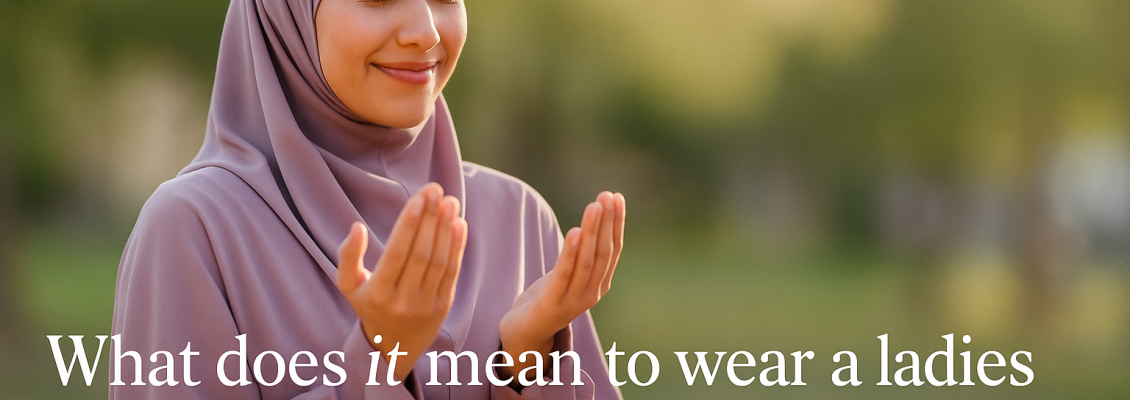
Leave a Comment